Incorporating the right foods to help clean arteries is the most effective way to prevent plaque buildup and maintain long-term heart health. Your arteries are the ‘biological highways’ of your body, playing the crucial role of delivering oxygen and nutrients to every organ, tissue, and cell. When these vital channels are in tip-top shape, blood flows freely; however, when they become clogged by fatty deposits known as plaque, it leads to atherosclerosis—an inflammatory condition that is the underlying cause of nearly 50% of deaths in Western society.. According to clinical data from Healthline – 15 Foods That Help Prevent Clogged Arteries, incorporating specific nutrient-dense foods can actively prevent this buildup and improve your long-term heart health.
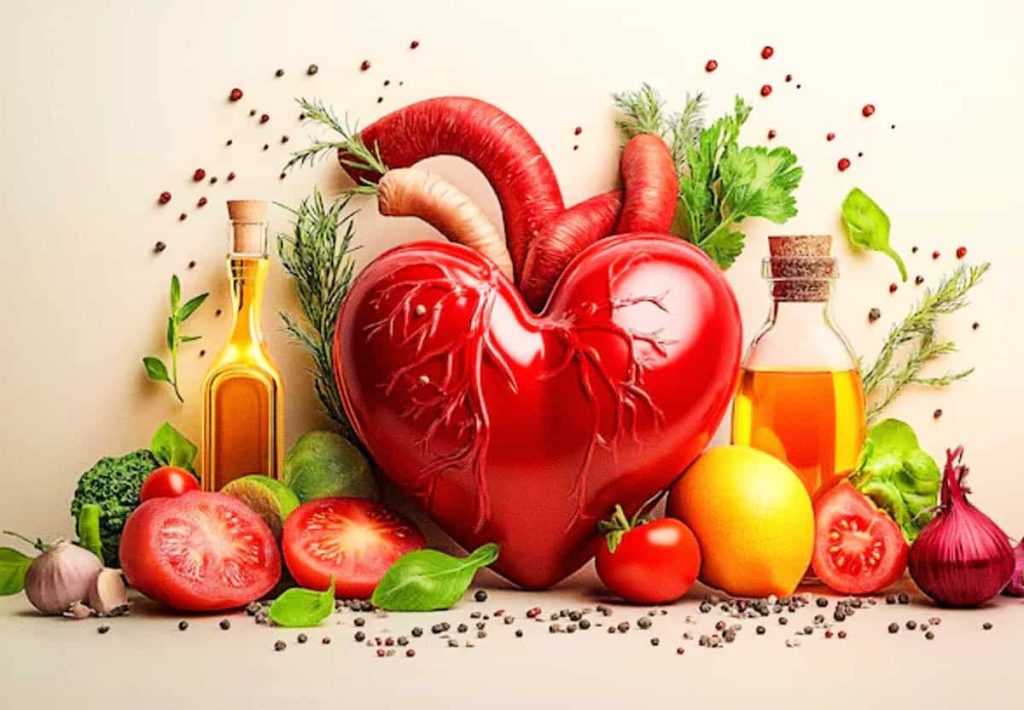
The Nitric Oxide Boosters: Enhancing Vasodilation
To optimize your cardiovascular system, prioritizing foods to help clean arteries is essential. These nutrient-dense choices provide the building blocks necessary to support nitric oxide production and protect your endothelium from inflammatory damage. For healthy circulation, your arteries must be flexible and ‘supple.’ Specific nutrients help produce Nitric Oxide (NO), a signaling molecule that tells your blood vessels to relax and widen.
Adequate biological availability of endothelial nitric oxide prevents platelets from abnormally adhering to vascular walls, thereby maintaining smooth hemodynamic flow and reducing the shear stress that initiates localized micro-injuries. Furthermore, consistent consumption of these specialized foods to help clean arteries ensures that your vascular endothelium remains responsive to fluctuating physiological demands, such as physical exertion or acute stress. By supplying the necessary precursor amino acids and enzymatic cofactors, you actively support the continuous generation of signaling molecules that keep blood vessels dilated, prevent hypertension, and safeguard the entire cardiovascular network against premature structural stiffening.
Top Sources of Dietary Nitrates
- Beets & Leafy Greens (Spinach, Kale, Arugula): These are nature’s best sources of dietary nitrates. Once consumed, your body converts them into Nitric Oxide, which lowers blood pressure and prevents the “scraping” damage to artery walls.
- Pomegranates: Beyond being antioxidant powerhouses, pomegranates protect Nitric Oxide from being destroyed by free radicals, effectively helping to reduce arterial stiffness.
The synergistic integration of inorganic nitrates and robust plant polyphenols creates a dual-action defense mechanism that both stimulates vasodilation and protects fragile signaling molecules from oxidative degradation caused by systemic metabolic stress. Utilizing these specialized foods to help clean arteries supports natural endothelial repair mechanisms and reinforces structural circulatory health across both macrovascular and microvascular beds. When these dietary nitrates are metabolized by oral microbiome bacteria and systemic enzymes, they produce a steady, sustained release of nitric oxide that continuously modulates vascular resistance, dampens chronic inflammation, and preserves the elastic recoil necessary for optimal cardiac output over decades of life.
The Endothelial Repair Team: Polyphenols & Fats
The endothelium is the delicate inner lining of your arteries. Damage to this lining is what allows cholesterol to enter the artery wall and turn int”The endothelium is the delicate inner lining of your arteries. Damage to this lining is what allows cholesterol to enter the artery wall and turn into plaque. By regularly consuming foods to help clean arteries, you provide the necessary polyphenols to keep this lining resilient and intact.o plaque.
Preserving the structural integrity of the endothelial barrier halts the pathological accumulation of oxidized low-density lipoproteins within the subendothelial space, which is the foundational trigger for atherosclerotic lesion development. Committing to a diet rich in foods to help clean arteries fosters cellular defense systems that actively shield your vascular pathways from chronic inflammatory progression and immune cell infiltration. As these active botanical compounds circulate through the bloodstream, they downregulate adhesion molecules that would otherwise attract circulating monocytes, effectively neutralizing the early warning signs of vascular damage before plaque formation can even begin.
Protecting Your Arterial Lining
- Extra Virgin Olive Oil (EVOO): This is the gold standard for heart health. Its unique compound, hydroxytyrosol, prevents LDL cholesterol from oxidizing. Only “oxidized” LDL sticks to your walls; EVOO acts as a biological shield against this process.
- Dark Chocolate (70% Cocoa or higher): Rich in cocoa flavanols, it helps your body recruit its own stem cells to repair damaged blood vessels and improve blood flow.
Bioactive phenolic compounds stimulate endogenous vasoprotective enzymes, such as endothelial nitric oxide synthase, while curbing the pro-inflammatory cytokine cascades responsible for premature vascular aging and wall thickening. Incorporating these specific foods to help clean arteries guarantees your circulatory network maintains the mechanical compliance and cellular vitality required for lifelong cardiovascular resilience. By simultaneously preventing lipid oxidation and enhancing the regenerative capacity of vascular progenitor cells, these functional foods create an internal biochemical milieu where damaged tissues can efficiently repair themselves before minor lesions escalate into major blockages.
The “Plaque Stabilizers”: Omega-3s
Not all plaque is equally dangerous. ‘Unstable’ or liquid plaque is what typically ruptures to cause a clot. Incorporating foods to help clean arteries like fatty fish is your best defense against this.
Long-chain polyunsaturated fatty acids integrate directly into atherosclerotic lesion membranes, mitigating localized macrophage activity and thickening the fibrous cap over vulnerable lipid pools. Leaning on proven foods to help clean arteries drastically minimizes the risk of acute cardiovascular events triggered by sudden plaque rupture and subsequent thrombus formation. Because these fatty acids modulate systemic eicosanoid production, they shift the body away from a pro-thrombotic state, ensuring that even existing structural changes within the vascular tree remain stable, quiescent, and far less threatening to overall survival.
Essential Fatty Acids for Stability
- Fatty Fish (Salmon, Mackerel, Sardines): High in EPA and DHA, these omega-3 fats reduce inflammation and help stabilize existing plaque, making it much less likely to rupture and cause a heart attack or stroke.
- Walnuts & Flaxseeds: These provide Alpha-Linolenic Acid (ALA). While a plant-based version of omega-3, it is highly effective at reducing vascular inflammation and improving endothelial function.
Systematic downregulation of pro-inflammatory cytokines through marine and plant-derived lipid fractions creates an internal biochemical environment highly unfavorable to progressive plaque expansion and calcification. Prioritizing these powerful foods to help clean arteries protects your cardiovascular infrastructure from chronic, low-grade systemic inflammation that drives arterial stiffening. By incorporating both marine EPA/DHA and plant-based ALA, you provide your cell membranes with a comprehensive spectrum of structural fats that optimize membrane fluidity, improve receptor signaling, and foster an exceptionally heart-healthy internal ecosystem.
The Fiber Sweepers: Cholesterol Management
Fiber acts like a metabolic broom, helping to clear excess fats before they can do damage. When you consistently eat foods to help clean arteries rich in soluble fiber, you actively assist your body’s natural waste-removal systems. Beyond just cholesterol management, these foods to help clean arteries stabilize your blood sugar, which is a secondary but vital step in preventing the arterial scarring that leads to heart disease. Furthermore, complementing your intake of high-fiber choices with items from our guide on [7 Powerful Ways an Oat-Based Heart-Healthy Diet Improves Blood Sugar & Cholesterol] can amplify your daily metabolic defense.
Viscous soluble fibers delay gastric emptying and blunt postprandial glucose excursions, successfully preventing the sharp insulin and blood sugar spikes that directly damage delicate blood vessel walls through glycation. Integrating these dietary foods to help clean arteries establishes a robust physiological defense against metabolic-driven vascular decay by optimizing nutrient absorption kinetics. As these complex fibers transit the gastrointestinal tract, they bind efficiently to circulating metabolic waste products and excess lipids, escorting them safely out of the body before they can contribute to systemic plaque accumulation.
Dietary Fiber and Metabolic Health
- Oats & Barley: These contain beta-glucan, a soluble fiber that forms a gel in your gut. This gel binds to cholesterol-rich bile acids and carries them out of the body, forcing your liver to pull “bad” LDL cholesterol from your blood to make more.
- Legumes (Beans, Lentils, Chickpeas): These are slow-digesting carbs that prevent the insulin spikes that damage arterial linings.
Continuous binding and excretion of hepatic bile salts compel your body to utilize circulating cholesterol reserves for new bile synthesis, optimizing systemic lipid panels naturally without placing undue stress on metabolic pathways. Relying on diverse foods to help clean arteries ensures your cholesterol management strategy functions smoothly at the hepatic level while simultaneously feeding beneficial gut microbiota that produce short-chain fatty acids. These microbial metabolites further reduce systemic inflammation, improve insulin sensitivity, and create a powerful systemic feedback loop that protects your heart from multiple distinct physiological angles.
Insulin and Heart Health
As Dr. Ford Brewer notes, managing insulin resistance is as critical to heart health as managing cholesterol.
Hyperinsulinemia directly accelerates endothelial dysfunction, stimulates smooth muscle cell proliferation within blood vessel walls, and promotes dangerous arterial wall thickening, underscoring the absolute necessity of stabilizing glucose metabolism alongside standard lipid control. Utilizing targeted foods to help clean arteries addresses the root metabolic drivers of cardiovascular deterioration by restoring cellular sensitivity to insulin and preventing the chronic metabolic inflammation that scars vascular tissues. When you successfully lower insulin resistance through whole-food interventions, you remove the primary systemic catalyst that allows cholesterol and inflammatory cells to transform minor endothelial wear-and-tear into severe, life-threatening atherosclerosis.
Internal Connection: The Circulation-Glow Link
As we explored in our specialized guide on “Anti-Aging Foods: How to Hydrate, Nourish, and Age Naturally”, your skin’s radiance is a direct reflection of your internal circulation. Clean, flexible arteries ensure that the collagen-boosting nutrients (like Vitamin C and Zinc) actually reach your skin cells. Healthy arteries are the literal foundation of a youthful appearance. For an even more comprehensive approach to defending your cells from oxidative wear and tear, you can also explore our clinical insights on [King of Antioxidants: 5 Amazing Reasons Blueberries Are the Ultimate Molecular Shield].
Optimal microvascular perfusion ensures that deep dermal layers receive an uninterrupted, high-volume stream of oxygen, micronutrients, and structural building blocks essential for continuous tissue repair and matrix maintenance. Unifying your skincare efforts with the consistent intake of foods to help clean arteries bridges internal cardiovascular wellness with outer cutaneous radiance, proving that true beauty begins deep within the circulatory system. When blood flows freely through unobstructed micro-capillaries, skin cells thrive in an environment rich in antioxidants and hydration, visibly reducing the appearance of fine lines and restoring a vibrant, youthful glow that topical cosmetics alone can never achieve.
FAQ: Science-Backed Artery Health
Can food actually “unclog” an artery?
While food doesn’t act like a mechanical brush, certain nutrients (like those in Pomegranates and Olive Oil) have been shown in clinical trials to reduce the thickness of arterial walls and improve the “smoothness” of the lining, effectively reversing early-stage damage. Incorporating a variety of these foods to help clean arteries is the most proactive, non-invasive strategy available for long-term vascular health. Longitudinal clinical evaluations confirm that comprehensive lifestyle modifications paired with therapeutic foods to help clean arteries can halt or even partially regress early atherosclerotic plaque buildup over time by transforming an inflammatory microenvironment into a healing one.
Is it true that sugar is worse for arteries than fat?
Modern cardiology increasingly points to insulin resistance (caused by high sugar/refined carb intake) as a primary cause of atherosclerosis. Sugar causes the inflammation that “opens the door” for cholesterol to enter the artery wall. Chronic exposure to elevated blood glucose generates advanced glycation end-products that permanently stiffen collagen scaffolding within blood vessels, compounding the structural damage mitigated by protective foods to help clean arteries.
Why should I cook tomatoes with olive oil?
Fat significantly increases your body’s absorption of lycopene, the heart-protective compound in tomatoes. This synergy helps boost “good” HDL cholesterol and reduce inflammation. Leveraging food matrix synergies allows fat-soluble micronutrients to dissolve efficiently into dietary lipids, maximizing their systemic bioavailability and enhancing the overall protective properties of foods to help clean arteries.
What is the ‘Number One’ food to start with?
If you choose only one, make it Extra Virgin Olive Oil. Research like the PREDIMED trial suggests that 1–2 tablespoons a day can reduce the risk of cardiovascular events by up to 30%. When paired with other foods to help clean arteries, it creates a synergistic effect that promotes long-term arterial clarity and cardiovascular longevity. Establishing a daily dietary anchor with clinically validated monounsaturated fats provides an immediate, high-impact upgrade to your cardiovascular routine when integrated seamlessly alongside other foods to help clean arteries.
Medical Disclaimer: The information provided in this article is for educational and informational purposes only and is not a substitute for professional medical advice, diagnosis, or treatment. Always seek the advice of your physician before making significant changes to your diet or lifestyle. Never disregard professional medical advice because of something you have read here. If you think you may have a medical emergency, call your doctor or emergency services immediately.
