Oats have long been hailed as a “superfood,” but for those managing cholesterol or type 2 diabetes, they are more than just a breakfast staple—they are a clinical tool. However, not all oats are created equal, and how you eat them can be the difference between a blood sugar spike and a heart-healthy win.
If you are looking for an oat-based heart-healthy diet strategy, understanding the specific science behind how this grain interacts with your metabolism is the first step toward better health.
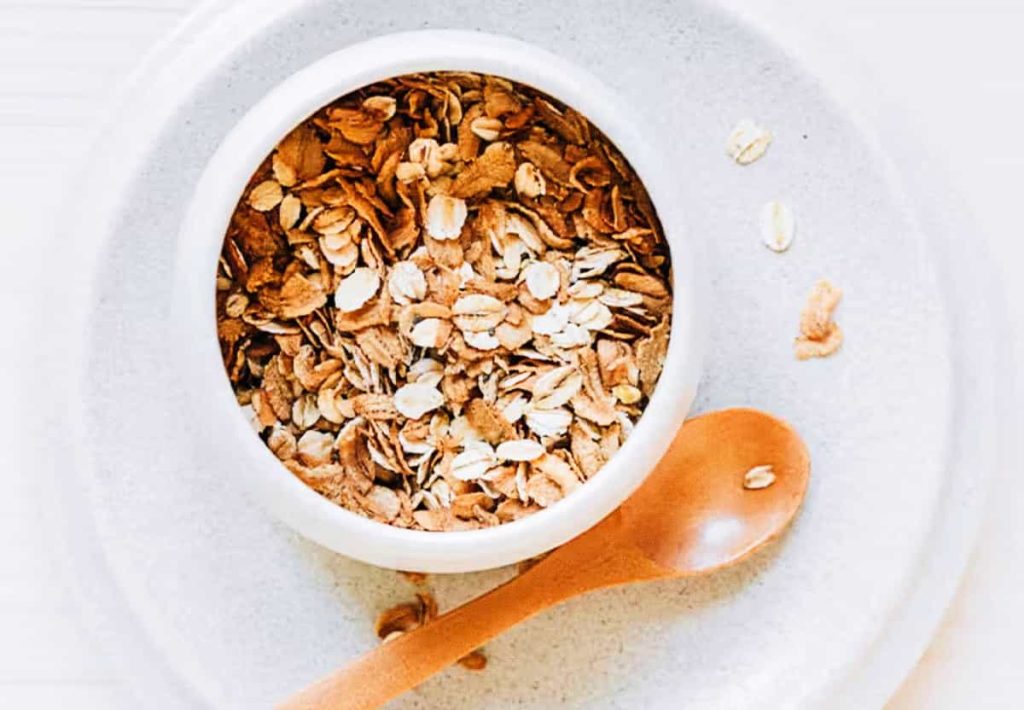
The “Superpowers”: Beta-Glucan and Avenanthramides
Oats contain a unique soluble fiber called beta-glucan. When digested, it forms a thick, gel-like solution in your gut.
Cholesterol Management
This gel binds to cholesterol-rich bile acids and flushes them out of your body, preventing them from being reabsorbed into the bloodstream. Just 3g of soluble fiber daily can significantly lower your LDL (“bad”) cholesterol. Interrupting the enterohepatic circulation forces the liver to draw upon circulating endogenous cholesterol reserves to synthesize fresh bile salts, yielding a powerful therapeutic reduction in systemic atherogenic lipoproteins. Integrating this lipid-clearing mechanism into your regular routine cements the foundational efficacy of an oat-based heart-healthy diet for long-term cardiovascular protection.
Blood Sugar Regulation
The gel slows down stomach emptying, which delays the absorption of glucose. This blunts the post-meal insulin response, keeping your levels steady. To explore how managing postprandial glucose curves interacts with other carbohydrate management protocols, see our guide on [Bread and Diabetes: 3 Proven Ways to Eat It Without Spikes]. Attenuating the rate of gastric transit prevents sudden hyperglycemia, which in turn spares pancreatic beta-cells from chronic hyperinsulinemic fatigue and preserves cellular receptor sensitivity. Leveraging this intrinsic physiological buffering effect underscores why an oat-based heart-healthy diet remains a primary cornerstone of metabolic disease management.
Blood Flow and Circulation
Oats contain avenanthramides, antioxidants almost exclusively found in this grain. They increase the production of nitric oxide, which dilates blood vessels and improves circulation, supporting an oat-based heart-healthy diet. Harnessing these unique phytochemicals actively protects vascular endothelial integrity against oxidative damage, reinforcing healthy arterial dilation. Prioritizing these targeted cellular mechanisms within an oat-based heart-healthy diet provides profound long-term cardiovascular benefits far beyond basic caloric nutrition.
The University of Bonn Breakthrough: The 2-Day Strategy
Recent research from the University of Bonn (2026) has introduced a surprising tactic: the Short-Term Intensive Oat Diet.
How the 2-Day Reset Works
The study found that participants with metabolic syndrome who consumed a high concentration of oats (300g per day) for just two days saw a 10% drop in LDL cholesterol. Surprisingly, this effect remained stable for six weeks. This “shock” to the system alters the gut microbiome, promoting bacteria that produce ferulic acid, a compound that naturally regulates cholesterol metabolism. Brief, high-density dietary interventions trigger rapid metabolic shifts by transiently reshaping microbial populations within the lower gastrointestinal tract. Implementing this specialized protocol under an oat-based heart-healthy diet framework offers a powerful clinical shortcut for resetting systemic lipid parameters without requiring prolonged pharmacological adjustments.
The Processing Hierarchy: Why “Instant” Isn’t Always Better
The more an oat is processed, the faster it turns into sugar in your blood.
- Oat Groats & Steel-Cut: The least processed. They take longer to cook but offer the slowest, steadiest rise in blood glucose.
- Rolled (Old Fashioned) Oats: A great middle ground. They are steamed and flattened but still maintain a strong fiber structure.
- Instant/Quick Oats: Highly processed and often pre-sweetened. These digest rapidly and can cause the very blood sugar spikes you are trying to avoid.
Regardless of which variety you choose, the key to success is consistency. By integrating an oat-based heart-healthy diet into your weekly meal planning, you ensure that your body receives the sustained fiber intake necessary to maintain long-term metabolic health. Preserving the natural structural integrity of grain architecture prevents premature enzymatic cleavage in the upper digestive tract, ensuring optimal glycemic stabilization. Choosing minimally processed selections is fundamental to any sustainable oat-based heart-healthy diet designed to prevent postprandial insulin surges.
How to Consume for Maximum Benefit
To turn your oatmeal into a metabolic shield and maintain an oat-based heart-healthy diet, follow the “Pairing Rule”: Never eat oats “naked.”
The Anchoring Method
- Add Protein: Stir in Greek yogurt, egg whites, or a scoop of whey protein. As we discussed in our guide to the High-Protein Diabetes-Friendly Breakfast, protein is essential to “anchor” your glucose levels.
- Add Healthy Fats: Walnuts, chia seeds, or flaxseeds add Omega-3s and further slow down carbohydrate absorption.
- Incorporate Targeted Fiber Boosters: Mix in a tablespoon of psyllium husk or oat bran to instantly amplify the viscous soluble fiber matrix, reinforcing the metabolic buffering capacity of your meal.
- Introduce Low-Glycemic Berries: Fold in a handful of fresh blueberries or raspberries to add powerful polyphenols without triggering unwanted blood sugar excursions, perfectly complementing an oat-based heart-healthy diet. For deeper insights into incorporating protective fruits into your metabolic routine, explore our guide on [Are blueberries good for diabetics? 5 essential scientific facts].
Strategic Cycles
Consider an “intensive oat weekend” every six weeks, focusing on plain oats with water/milk and minimal toppings to reset your microbiome. Layering complementary macronutrients purposefully alters the overall glycemic index of the meal, neutralizing potential blood sugar spikes through balanced digestive kinetics. Mastering these precise food-combining techniques elevates a standard morning dish into a premier element of an oat-based heart-healthy diet.
Vital Safety Warning: Interactions
Because oats are so effective at lowering blood sugar, they can have a moderate interaction with insulin and diabetes medications. If you decide to adopt an oat-based heart-healthy diet and significantly increase your oat intake, monitor your blood sugar closely to avoid hypoglycemia. Always consult your doctor before making drastic dietary shifts.
Potent functional foods can synergize strongly with pharmaceutical interventions, requiring careful self-monitoring to prevent unexpected physiological overcorrections. Respecting these clinical boundaries guarantees that transitioning to an oat-based heart-healthy diet remains entirely safe and therapeutically effective.
The Role of Soluble Fiber in Modern Metabolic Therapy
Modern clinical nutrition increasingly emphasizes the management of postprandial glycemic excursions to prevent long-term metabolic complications. Incorporating an oat-based heart-healthy diet provides an accessible, evidence-based approach to harnessing viscous plant fibers for systemic protection.
Mechanisms of Viscous Polysaccharides
When consumed regularly, beta-glucan interacts dynamically with digestive fluids to alter the physical architecture of the chyme. Molecular cross-linking within the gastrointestinal lumen creates a dense structural mesh that fundamentally alters nutrient diffusion kinetics. This sophisticated biochemical behavior underpins why an oat-based heart-healthy diet excels at moderating postprandial metabolic stress.
Altering Upper Intestinal Transit Time
The formation of a viscous hydrocolloid matrix physically delays gastric emptying and slows the diffusion rate of monosaccharides toward the brush border. This sustained release pattern prevents sharp elevations in circulating glucose, ensuring that an oat-based heart-healthy diet consistently supports stable energy levels. Prolonging the assimilation phase of simple sugars prevents the acute secretory surges of insulin that typically drive systemic inflammation and fat storage. Integrating this physiological safeguard makes an oat-based heart-healthy diet an invaluable dietary strategy for long-term glycemic control.
Clinical Implications for Lipid Panel Optimization
Managing circulating atherogenic particles requires targeted interventions that address both hepatic synthesis and intestinal absorption pathways.
Depleting Hepatic Cholesterol Pools
By sequestering bile salts within the lower digestive tract, soluble fibers force the liver to consume stored cholesterol for new bile acid production. Depriving the digestive system of reabsorbed bile acids forces a metabolic shift that directly taps into systemic cholesterol reservoirs, offering a profound natural mechanism for cardiovascular risk reduction. Leveraging this pathway is a core advantage of maintaining an oat-based heart-healthy diet over time.
Enhancing LDL Receptor Upregulation
This continuous demand triggers an upregulation of hepatic low-density lipoprotein receptors, efficiently clearing atherogenic lipoproteins from the bloodstream. Adopting an oat-based heart-healthy diet offers a powerful dietary adjunct to standard lipid-lowering protocols without adverse pharmaceutical side effects. Increasing cellular clearance capacity helps reduce the accumulation of plaque-forming particles along arterial walls, actively promoting long-term vascular health. Embracing this targeted physiological response solidifies the value of an oat-based heart-healthy diet in clinical preventative medicine.
Epigenetic Influences of Beta-Glucan on Systemic Inflammation
Nutritional genomics reveals that dietary components can directly influence gene expression related to chronic inflammation. Maintaining an oat-based heart-healthy diet helps modulate inflammatory pathways at the molecular level.
Suppression of Pro-Inflammatory Cytokines
Soluble fibers and unique oat antioxidants work synergistically to downregulate key inflammatory mediators circulating within the vascular endothelium. Suppressing these molecular signaling cascades inhibits the recruitment and adhesion of circulating monocytes to the vascular wall, effectively halting the early stages of atherosclerotic plaque formation. Prioritizing these targeted anti-inflammatory pathways elevates an oat-based heart-healthy diet from a simple source of fiber into a potent therapeutic tool for vascular protection.
Mitigating Oxidative Stress Pathways
By neutralizing free radicals and protecting cellular structures from lipid peroxidation, this dietary pattern actively preserves endothelial function. Embracing an oat-based heart-healthy diet provides essential cellular armor against the progressive damage associated with metabolic syndrome.
Satiety Neurobiology and Appetite Regulation
Sustaining long-term nutritional changes requires overcoming the physiological challenges of hunger and cravings. Understanding the neuroendocrine response to whole grains clarifies why an oat-based heart-healthy diet successfully controls daily caloric intake.
Stimulation of Anorexigenic Gut Peptides
Viscous fibers trigger the release of satiety hormones like peptide YY and GLP-1 from enteroendocrine cells in the small intestine. Prolonged nutrient contact with distal intestinal mucosa stimulates specialized L-cells to secrete robust pulses of satiety-inducing peptides, effectively dampening hedonic hunger signals in the brain. Harnessing this natural endocrine response transforms an oat-based heart-healthy diet into a powerful, sustainable framework for appetite management and weight regulation.
Signaling Satiety to the Central Nervous System
These circulating peptides communicate directly with the hypothalamus to suppress appetite signals and promote a lasting sense of fullness. Incorporating an oat-based heart-healthy diet harnesses these powerful neurochemical feedback loops to support effortless weight management.
Conclusion: A Tool for Longevity
In conclusion, an oat-based heart-healthy diet is one of the most effective, evidence-based tools for longevity and glycemic control. Oats are incredibly nutrient-dense, providing nearly 64% of your daily Manganese and a significant boost of Magnesium and Zinc. Whether you use them for a quick daily breakfast or as a strategic 2-day metabolic reset, they remain one of the most evidence-based foods for heart and glucose health.
For a deeper dive into the 9 evidence-based benefits of oats, read the full report by Healthline: 9 Health Benefits of Eating Oats and Oatmeal.
FAQ: Oatmeal & Health
As you transition toward an oat-based heart-healthy diet, you may have questions about digestion and preparation. Below are the most common inquiries regarding how to incorporate oats safely into your routine.
Does oatmeal cause bloating?
Yes, the high fiber content can cause gas if you aren’t used to it. The Fix: Start with a small portion and increase gradually over two weeks.
Is oatmeal gluten-free?
Pure oats are naturally gluten-free. However, if you have Celiac disease, look for the “Certified Gluten-Free” label.
Can I eat oats if I have a sensitive digestive tract?
If you have conditions that slow down digestion (like gastroparesis), consult a doctor, as the fiber may move too slowly through the system.
Is it better to cook oats with milk or water?
While cooking with water keeps the calorie count lower, using a high-protein milk (like unsweetened soy or dairy) helps lower the glycemic impact of the meal. Pairing your oats with protein is a foundational step in maintaining a consistent oat-based heart-healthy diet that avoids post-meal energy crashes.
Can I eat oats at night for better sleep?
Yes. Oats contain complex carbohydrates that can help stimulate serotonin production, which aids in relaxation. When combined with magnesium-rich toppings like pumpkin seeds or walnuts, a small bowl of oats can be a soothing, metabolically stable end to your day as part of your overall oat-based heart-healthy diet.
How long should I soak my oats for better digestion?
Soaking oats for at least 4 to 8 hours (making “overnight oats”) helps reduce phytic acid, an anti-nutrient that can interfere with mineral absorption. This simple preparation hack improves digestibility and nutrient bioavailability, making it an excellent practice to adopt within your oat-based heart-healthy diet.
