Consuming the right anti-wrinkle foods is the most effective way to hydrate, nourish, and age naturally. While expensive serums and masks treat the surface, true skin longevity is built from the inside out. Your skin is a ‘barometer’ of your internal health; when you fuel your body with specific antioxidants and healthy fats, you aren’t just eating—you are building a biological barrier against time. Based on insights from the latest clinical reviews (2026), this definitive guide explores the most powerful anti-wrinkle foods to support your long-term skin health.
The Collagen Architects: Vitamin C & Copper
To keep skin ‘bright and tight,’ you must support collagen synthesis. Collagen is the protein responsible for skin’s structural integrity, but its production drops as we age. When focusing on a diet designed for skin longevity, incorporating various anti-wrinkle foods into your daily routine is essential. These nutrient-dense choices provide the building blocks necessary to support collagen synthesis and protect your complexion from environmental stressors. Adequate provision of ascorbic acid and essential trace minerals ensures that fibroblasts possess the enzymatic cofactors required to cross-link pro-collagen strands into robust, stable dermal matrices. Consuming targeted anti-wrinkle foods consistently provides your body with the exact biochemical raw materials needed to combat age-related dermal thinning and preserve structural skin firmness.
Essential Ingredients for Structure
- Red Bell Peppers & Papaya: These are significantly richer in Vitamin C than oranges. Vitamin C is the essential cofactor for collagen production.
- Watercress (Agrião): Acting as an internal skin antiseptic, it increases circulation and the delivery of minerals to all cells, resulting in improved oxygenation of the skin.
- Broccoli: Packed with vitamins C and K, fiber, and lutein. Your body needs these for collagen strength and to maintain skin elasticity.
Incorporating deeply pigmented vegetables and specialized leafy greens introduces concentrated phytonutrients that protect freshly synthesized collagen fibers from enzymatic breakdown caused by free radicals. Utilizing these anti-wrinkle foods optimizes cellular microcirculation and accelerates the repair of microscopic damage sustained by environmental exposure.
The UV Shield: Carotenoids & Lycopene
Think of these as ‘internal sunscreen.’ While they don’t replace topical SPF, they increase your skin’s natural resilience against environmental toxins and sun damage. When you consistently add these anti-wrinkle foods to your meals, you provide your skin with the protective pigments it needs to fight premature aging. Dietary carotenoids accumulate directly within the outermost layers of the dermis and epidermis, where they act as endogenous quenchers of singlet oxygen species generated by solar radiation. Regularly integrating these protective anti-wrinkle foods fortifies your skin’s innate biological defense systems against photoaging and hyperpigmentation.
Nature’s Protective Compounds
- Cooked Tomatoes: The lycopene in tomatoes is more bioavailable when heated. It helps neutralize free radicals triggered by sun exposure that cause sun spots and deep wrinkles.
- Sweet Potatoes: The orange color comes from beta-carotene, which the body converts into Vitamin A (Retinol). This promotes skin cell turnover, contributing to soft, youthful-looking skin.
The localized conversion of provitamin A carotenoids into active retinoids within skin tissue regulates epidermal cellular proliferation and sloughing, preventing dead cell buildup that leads to a dull complexion. Emphasizing these specialized anti-wrinkle foods fosters a continuous cycle of fresh, healthy cell generation from within.
The Hydration Guard: Healthy Fats & Vitamin E
Wrinkles often appear deeper due to dehydration and a compromised lipid barrier. These foods reinforce your skin’s natural moisture and oil barrier. Integrating these anti-wrinkle foods ensures your skin stays supple, regardless of the season or external conditions. Essential fatty acids serve as the foundational building blocks for ceramides and intercellular lipids that prevent trans-epidermal water loss and maintain cellular plumpness. Relying on nutrient-dense anti-wrinkle foods guarantees your skin retains optimal hydration levels and remains resilient against external drying factors.
Nutrients for Supple Skin
- Avocados: High in inflammation-fighting fatty acids and glutathione. These nutrients help maintain skin elasticity and promote a natural, supple glow.
- Nuts (Almonds & Walnuts): A great source of Vitamin E, which helps repair skin tissue, retain moisture, and protect the skin from damaging UV rays.
Fat-soluble antioxidants like alpha-tocopherol work synergistically with dietary lipids to protect cell membranes from lipid peroxidation, a primary driver of structural matrix breakdown. Incorporating these specific anti-wrinkle foods preserves skin suppleness and defends dermal lipids against oxidative stress.
The Age-Defiers: Anthocyanins & Punicalagins
Modern research highlights the power of pigment-rich foods in reversing signs of aging at the cellular level. By prioritizing this final category of anti-wrinkle foods, you are essentially feeding your mitochondria, the power plants of your skin cells, to sustain energy and repair. Furthermore, protecting your cellular health at this deep level aligns closely with maintaining robust defenses, much like selecting items from our guide on [King of Antioxidants: 5 Amazing Reasons Blueberries Are the Ultimate Molecular Shield].
Antioxidant Powerhouses
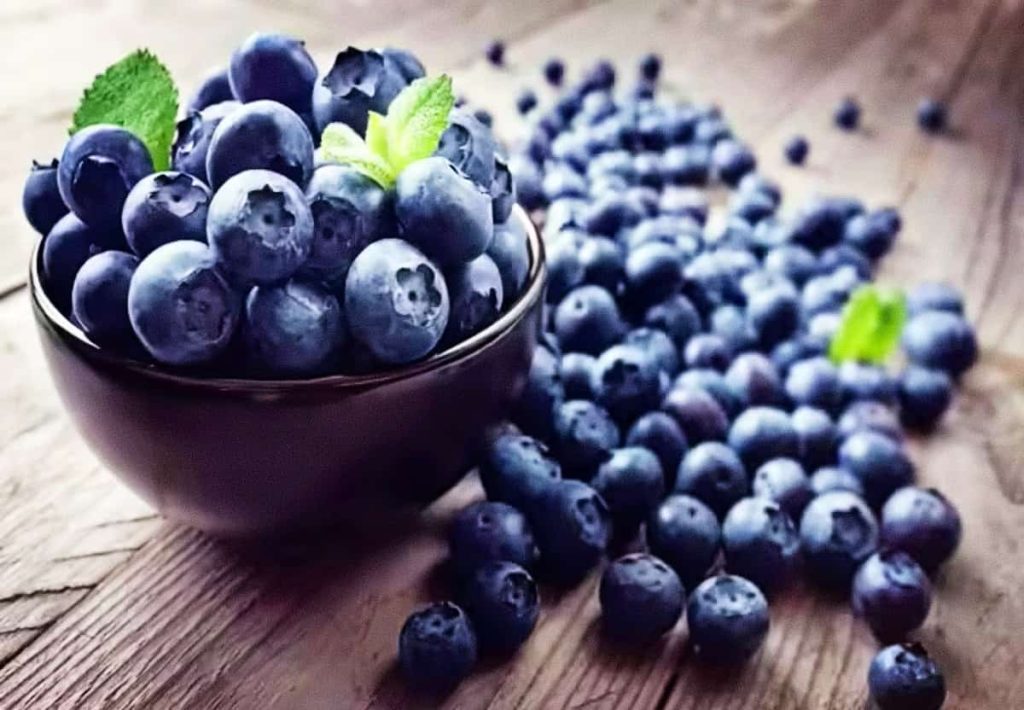
- Blueberries: Rich in anthocyanins, powerful antioxidants that protect the skin from stress and pollution by moderating the inflammatory response and preventing collagen loss.
- Pomegranates: High in vitamin C and punicalagins. New research suggests that a compound called Urolithin A, produced when pomegranates interact with gut bacteria, may actually rejuvenate mitochondria and reverse signs of aging.
The unique microbial metabolites generated by polyphenol digestion stimulate mitophagy, the targeted clearance of damaged cellular powerhouses, thereby restoring youthful function to aging tissues. Integrating these advanced anti-wrinkle foods into your daily regimen offers deep systemic support for skin health and metabolic longevity.
Internal Connection: The Protein-Skin Link
A radiant complexion requires more than just vitamins; it requires the structural building blocks found in high-quality proteins. When combined with other anti-wrinkle foods, these proteins create a powerful repair cycle. To optimize this internal repair pathway and preserve cellular integrity, you can also explore our insights on [Take collagen every day? 3 proven facts you must know].
Synergistic Nutrition
In our specialized guide, “The No. 1 Fish to Eat for Better Health, According to Nutrition Experts“, we highlight how Wild Salmon and the SMASH list provide the essential Omega-3s and Astaxanthin needed to maintain skin elasticity and reduce chronic redness. Pairing the antioxidant-rich foods in this article with the “Elite Fish” protocol creates a synergetic effect that nourishes your hormones and skin cells simultaneously. Combining marine-derived lipids with plant-based antioxidants creates a comprehensive multi-targeted defense strategy that addresses both systemic inflammation and structural dermal integrity. This unified nutritional approach maximizes the anti-wrinkle foods protocol by enhancing systemic nutrient delivery and cellular absorption.
The Future of Dermal Resilience
Molecular Signaling and Longevity
The relationship between specific nutrients and skin longevity is evolving as we uncover how bioactive compounds influence gene expression. By incorporating potent anti-wrinkle foods, you are not merely providing fuel; you are actively signaling your skin cells to prioritize repair, turnover, and defensive mechanisms that counteract the inevitable influence of environmental stressors.
Nutrient-Driven Genetic Expression
Certain polyphenols found in anti-wrinkle foods have been shown to modulate the signaling pathways involved in collagen degradation, effectively telling your body to conserve its structural proteins rather than break them down.
Sustaining Cellular Vitality
Maintaining a steady intake of these signaling molecules ensures your skin retains the biological “instructions” necessary to function as it did in your younger years, promoting a resilient and vibrant complexion.
Seasonal Strategy for Skin Health
Adjusting Your Intake for Environmental Shifts
Your skin’s requirements change significantly with the seasons, from the intense UV radiation of summer to the dehydrating, low-humidity air of winter. Adapting your selection of anti-wrinkle foods throughout the year ensures that you are providing targeted support against the specific threats posed by each environmental cycle.
Managing Oxidative Load in Summer
During peak sun exposure, emphasizing carotenoid-rich anti-wrinkle foods provides the internal fortification required to mitigate damage from increased radiation.
Reinforcing the Barrier in Winter
In colder, drier months, leaning into fats and lipids within your anti-wrinkle foods reinforces the epidermal barrier, preventing the loss of moisture and maintaining the suppleness of your skin despite the external climate.
FAQ: Science-Backed Skin & Nutrition Secrets
How long before I see a difference in my skin texture?
According to clinical reviews, consistent dietary changes typically show visible results in 4 to 8 weeks. This timeframe aligns with the natural cycle of skin cell renewal. Because new skin cells take roughly a month to migrate from the basal layer to the surface, patience and dietary consistency are required to witness structural improvements. Maintaining your intake of anti-wrinkle foods throughout this renewal window allows newly formed cells to emerge healthier, stronger, and more resilient.
Can “Bio-identical” collagen supplements replace these foods?
The Whole-Food Advantage
While supplements can be helpful, whole foods provide a superior “nutritional package.” For example, papaya provides the enzyme papain, which acts as a natural anti-inflammatory agent and aids in shedding dead skin cells—a benefit pills cannot replicate. Whole-food matrices deliver thousands of interacting cofactors, trace enzymes, and fiber structures that isolated supplements strip away during industrial processing. Relying primarily on diverse anti-wrinkle foods ensures you receive a harmonious blend of nutrients that work together to optimize metabolic and dermatological health.
Can I use green tea topically for wrinkles?
Yes. Using cooled green tea as a natural toner or face mask helps tighten pores and reduce UV-induced redness. The EGCG catechins provide systemic protection when drunk and localized anti-inflammatory effects when applied topically. Epigallocatechin gallate (EGCG) exhibits powerful astringent and free-radical scavenging properties that soothe irritated tissue and minimize the appearance of fine lines. Combining the systemic benefits of anti-wrinkle foods with targeted topical botanicals creates a dual-action defense against premature skin aging.
Does hydration via water intake alone eliminate wrinkles?
While hydration is critical for cellular turgor, water alone cannot correct structural collagen damage. True skin resilience depends on the structural matrix, which requires the specific micronutrients found in anti-wrinkle foods. Simply increasing water intake without supporting your lipid barrier and collagen production will not provide the same long-term anti-aging benefits as a nutrient-dense diet.
Proper hydration supports the volumetric fullness of skin cells, but the structural integrity that prevents sagging and line formation is dictated by the density of your collagen and elastin networks. Integrating your hydration habits with a steady supply of anti-wrinkle foods provides both the water volume and the structural building blocks required to maintain a smooth, plump, and youthfully resilient complexion.
Is it necessary to eat these foods raw?
Not necessarily. While some nutrients, like Vitamin C, are heat-sensitive, others, such as the lycopene in tomatoes or the beta-carotene in sweet potatoes, become more bioavailable after gentle cooking. The key is to prioritize a variety of preparation methods to maximize the nutritional yield of your anti-wrinkle foods.
Understanding which compounds are heat-stable allows you to diversify your culinary approach while ensuring you consistently extract maximum biological value from every meal. Balancing raw, enzyme-rich choices with cooked, nutrient-optimized options provides the most comprehensive strategy for utilizing anti-wrinkle foods to support long-term dermatological health.
Do organic foods offer better protection against aging?
Yes. Organic and regenerative farming practices often result in higher concentrations of antioxidants and lower levels of synthetic pesticide residues. Reducing your exposure to endocrine-disrupting chemicals and synthetic toxins is a proactive way to lower systemic inflammation, which is a major driver of premature aging and a key reason to prioritize high-quality anti-wrinkle foods.
Minimizing the “toxic load” on your internal systems preserves your body’s metabolic resources for essential repair tasks like skin rejuvenation and DNA maintenance. Selecting clean, high-quality anti-wrinkle foods ensures that your cellular machinery remains focused on growth and repair rather than detoxification and neutralizing chemical stressors.
What are the “Aging Villains” I should strictly limit?
- Excess Sugar: Leads to glycation, which makes collagen fibers stiff and brittle.
- Refined Carbs: Trigger insulin spikes that promote systemic inflammation and dullness.
- Deep-Fried Foods: Create free radicals that cause oxidative stress, damaging your skin’s DNA.
Advanced glycation end-products (AGEs) permanently cross-link collagen and elastin fibers, destroying skin elasticity and accelerating the formation of deep wrinkles. Minimizing dietary detractors while focusing heavily on nutrient-dense anti-wrinkle foods preserves the youthful flexibility and radiance of your dermal matrix.
Medical Disclaimer: The content provided on this website is for educational and informational purposes only and does not constitute medical advice, diagnosis, or treatment. Always seek the advice of your physician or other qualified health provider with any questions you may have regarding a medical condition. Never disregard professional medical advice or delay in seeking it because of something you have read on this website. Reliance on any information provided here is solely at your own risk.
