Serine is a non-essential amino acid that acts as a central hub in our biology. While our bodies can synthesize it from glycine, this molecule is so critical to our central nervous system and energy metabolism that the debate over serine supplementation safety has become a hot topic in 2026.
What is Serine? (L-Serine vs. D-Serine)
Serine exists in two primary forms with distinct roles in human health:
Distinguishing between these stereoisomers is crucial because their spatial molecular orientations dictate completely different enzymatic destinations within human physiology. Grasping this structural nuance clarifies why targeted amino acid therapy requires rigorous scientific precision to avoid unintended metabolic disruptions.
L-Serine: The Structural Building Block
The form found in protein-rich foods, it is a primary building block for proteins and a precursor to serotonin (the “happiness hormone”) and phospholipids like phosphatidylserine. Serving as an indispensable precursor for vital neurotransmitters and cellular membranes, dietary L-serine actively supports cognitive maintenance and structural integrity across neural tissues. Incorporating this foundational amino acid into a balanced nutritional framework underpins optimal long-term brain health and neurotransmitter synthesis.
D-Serine: The Neuro-Modulator
Synthesized in the brain from L-serine, it acts as a co-agonist for NMDA receptors, which are essential for synaptic plasticity, learning, and memory. Understanding the distinct biochemical trajectories of these two stereoisomers highlights why indiscriminate amino acid dosing can disrupt delicate central nervous system equilibria. Maintaining this fine-tuned balance is a foundational priority when considering any structured serine supplementation safety protocol.
Key Biological Benefits
According to the latest nutritional and clinical data, serine provides several pillars of support:
- The Myelin Shield: Serine is crucial for the synthesis of sphingolipids, which form the myelin sheath—the protective insulation around your nerves.
- ATP Recycling: Serine is a component of creatine, which helps recycle ADP into ATP, the body’s primary energy currency.
- Immune Defense: It is a constituent of immunoglobulins and antibodies, helping white blood cells neutralize threats.
- Metabolic Health: Clinical reviews suggest L-serine may improve insulin sensitivity, potentially preventing the onset of type 2 diabetes.
Providing vital substrates for foundational cellular infrastructure underscores how deeply this amino acid governs overall physiological resilience. Optimizing these multi-system pathways safely reinforces why comprehensive serine supplementation safety guidelines are essential for long-term health, mirroring the cellular defense strategies detailed in [7 Proven blueberry antioxidant benefits: the science of cellular defense].
The Alzheimer’s Paradox: Friend or Foe?
This is where the science regarding serine supplementation safety demands caution. Balancing therapeutic potential against underlying pathological risks represents one of the most delicate challenges in modern neuropharmacology. Navigating this clinical paradox requires strict adherence to evidence-based guidelines to ensure that interventions support neurological health rather than inadvertently accelerating disease progression.
The Pro-Supplement View
Some studies suggested that oral L-serine could be a “ready-to-use” therapy to counteract the serine deficiency observed in Alzheimer’s models. Proponents argue that replenishing depleted neural reservoirs of this vital amino acid can help restore normal protein synthesis and synaptic function in compromised brain tissue. Harnessing this mechanistic pathway offers an appealing rationale for targeted nutritional support, provided that dosage parameters remain strictly controlled within safe clinical boundaries.
The Warning (UC San Diego, 2023)
Newer research identifies the enzyme PHGDH as a biomarker for Alzheimer’s. Elevated levels of this enzyme correlate with disease progression, leading some scientists to warn that excess serine might actually propel cell death. When evaluating serine supplementation safety, these biochemical findings serve as a reminder that more is not always better.
Navigating complex neurodegenerative pathways requires extreme clinical vigilance to avoid accelerating pathological protein aggregation or cellular stress. Respecting these intricate enzymatic boundaries is critical to maintaining strict serine supplementation safety standards in clinical practice.
Dietary Sources vs. Supplementation
Before reaching for a pill, consider that the average diet provides 3.5g to 8g of serine daily. Relying on whole-food matrices allows the body to process amino acids alongside essential micronutrients that regulate metabolic assimilation and prevent systemic overload. Embracing this nutritional approach naturally safeguards long-term health without the unpredictable hazards of high-dose isolated pills.
Optimal Food Sources
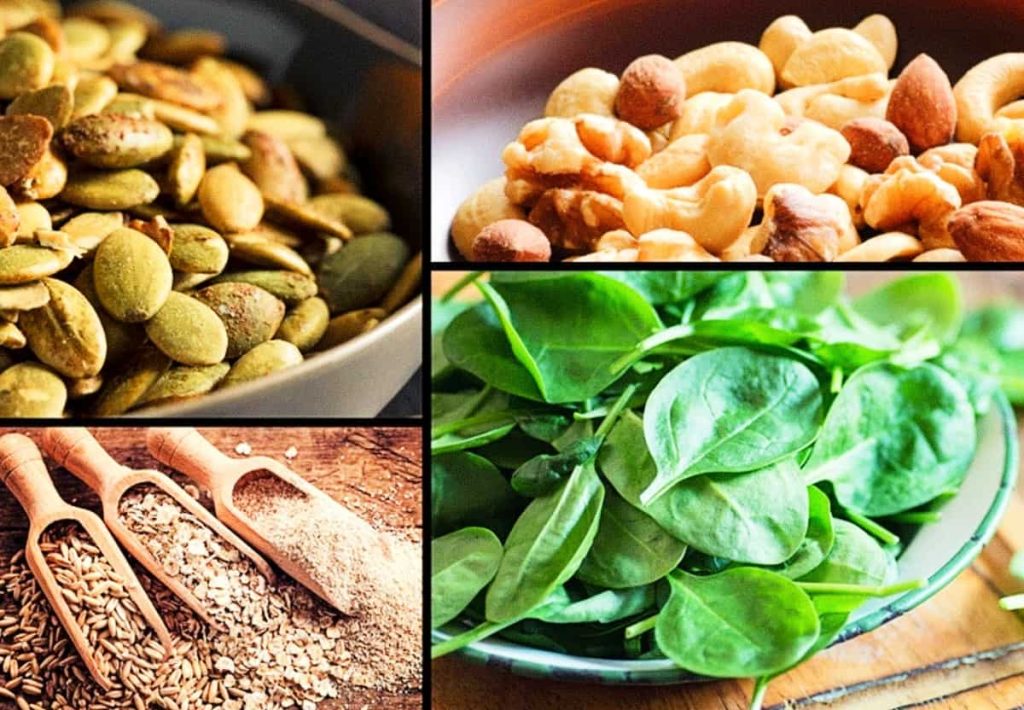
Meat, dairy, soy (tofu), eggs, peanuts, and whole grains like oats are excellent sources. Incorporating these diverse, nutrient-dense foods ensures a steady, bioavailable supply of amino acids while reinforcing overall dietary quality and metabolic resilience. Prioritizing these everyday staples establishes a robust nutritional baseline that minimizes the need for synthetic intervention.
Longevity Insight
In Okinawa, the high consumption of tofu and seaweed provides roughly 8g/day of serine—triple the average intake of older adults in the US. Obtaining essential amino acids through unrefined whole-food matrices naturally moderates absorption kinetics and protects against sudden metabolic overloads. Prioritizing dietary density over isolated pills forms the bedrock of lifelong serine supplementation safety, a principle further reinforced by our insights in [Plant-based protein alternatives: 5 Proven powerhouses].
Vital Considerations: Serine Supplementation Safety
When discussing serine supplementation safety, there are critical warnings to observe:
- Cancer Warning: Serine restriction is currently being studied as a way to “starve” certain tumors, as cancer cells often become “addicted” to serine to fuel their growth.
- Neurological Risk: Excessively high doses (above 25g/day) can lead to seizures or immune system depression.
- Kidney Health: High doses of D-serine may worsen existing kidney disease.
High-dose exogenous administration can inadvertently trigger oncogenic pathways or strain vital filtering organs, transforming a helpful nutrient into a systemic risk. Remaining mindful of these sharp physiological thresholds dictates the absolute boundaries of proper serine supplementation safety.
Monitoring Your Metabolic Levels
While many individuals focus on pills, the most important aspect of serine supplementation safety is monitoring. Because serine interacts with complex metabolic pathways involving the PHGDH enzyme, guesswork is dangerous. If you are considering long-term use, request a metabolic panel from your physician. Tracking markers like insulin sensitivity and kidney function is the only objective way to determine if a supplement is providing a net benefit or a hidden risk. True serine supplementation safety is built on data, not assumptions.
Relying on precise clinical biomarkers rather than subjective wellness trends ensures that any protocol adjustment remains genuinely therapeutic. Implementing regular medical surveillance is indispensable for preserving serine supplementation safety over extended periods.
The Metabolic Impact of Serine on Energy Homeostasis
Cellular energy production requires intricate biochemical coordination across multiple organ systems to maintain steady ATP levels during periods of physical or metabolic stress.
Bridging Glycolysis and Amino Acid Metabolism
The carbon skeleton of serine acts as a vital metabolic bridge, directly linking glycolytic intermediates to the synthesis of essential nitrogenous compounds. By diverting intermediate molecules away from standard energy production pathways toward specialized biosynthetic routes, serine metabolism ensures that cells can rapidly adapt to shifting nutritional states. Recognizing how these intracellular crossroads function highlights the intricate biological balancing act required to maintain overall metabolic equilibrium.
Regulating Pyruvate Kinase Flux
By modulating key regulatory enzymes within energy-yielding pathways, adequate serine availability ensures smooth metabolic transitions during increased cellular demand. Incorporating these physiological dynamics into a broader wellness plan highlights why strict adherence to serine supplementation safety is essential when attempting to artificially influence core bioenergetic pathways. Indiscriminately flooding these finely tuned enzymatic pathways with high-dose amino acid isolates can short-circuit natural regulatory feedback loops, leading to unintended metabolic bottlenecks or cellular stress. Respecting the intrinsic limits of energy flux ensures that any external nutritional intervention remains genuinely supportive rather than disruptive to cellular bioenergetics.
Neurotransmission Dynamics and Cognitive Resilience
Optimal cognitive function relies on the precise balance of excitatory and inhibitory signaling molecules within the central nervous system.
Modulating Synaptic Plasticity and Memory Formation
D-serine acts as an obligatory co-agonist at NMDA receptor sites, playing a decisive role in the long-term potentiation mechanisms underlying learning and memory. Facilitating these critical electrochemical signaling events enables neural circuits to strengthen connections over time, forming the biological substrate for cognitive agility and memory consolidation. Harnessing this intricate neurochemical pathway safely is central to any evidence-based approach focused on long-term brain health and optimal cognitive performance.
Preventing Excitotoxic Overstimulation
While physiological levels of D-serine are vital for cognitive sharpness, uncontrolled accumulation within neural synapses can trigger dangerous excitotoxic cascades. Understanding this fine regulatory threshold underscores the absolute necessity of maintaining rigorous serine supplementation safety standards to protect long-term brain health from pathological overactivation. Unchecked receptor activation floods neurons with excessive calcium ions, initiating destructive enzymatic degradation and irreversible cellular damage within sensitive neural tissue. Maintaining strict control over exogenous intake prevents this neurotoxic tipping point, ensuring that cognitive enhancement strategies never compromise neurological longevity.
Conclusion: Do You Need to Supplement?
For the average healthy individual, a balanced diet provides sufficient serine. Supplementation should be reserved for specific clinical needs and always under medical supervision. As we explored in our guide on [How Oats Affect Cholesterol and Glucose], whole grains are a safer, more sustainable way to manage your nutrient intake.
For a comprehensive look at the biochemical uses and safety profile of this amino acid, visit the full reference: WebMD: Serine – Uses, Side Effects, and More.
Transitioning away from unnecessary synthetic agents in favor of nutrient-dense whole foods protects metabolic integrity while eliminating hidden toxicological variables. Embracing this holistic philosophy guarantees maximum efficacy and uncompromising serine supplementation safety.
Making Informed Decisions
Ultimately, your health is a composite of your daily habits. Before committing to a specific supplement protocol, ask yourself if your dietary intake is optimized. Integrating complex carbohydrates and clean protein sources provides a natural foundation that makes the conversation around serine supplementation safety much simpler. By focusing on whole-food nutrient density first, you reduce the necessity for external supplementation, thereby minimizing the potential risks associated with high-dose amino acid therapy.
Cultivating sustainable daily nutritional patterns reduces reliance on high-risk pharmaceutical or isolated interventions, anchoring your vitality in safe biological fundamentals. Upholding this holistic standard completes any reliable approach to serine supplementation safety.
Quick FAQ
Can serine help with sleep?
Yes, L-serine may promote better sleep by influencing GABA receptors and supporting the production of serotonin.
How does it relate to MS?
By protecting the myelin sheath from degeneration, serine helps prevent the “short-circuiting” of nerve signals.
Are there side effects?
Some users report upset stomach or bloating. Starting with a low dose can help the body adapt.
Can serine interact with medications?
Yes, because serine influences neurotransmitter pathways and metabolic processes, high-dose supplementation can potentially interact with neurological medications or treatments for metabolic disorders. Consulting a healthcare professional is crucial before combining isolates with pharmaceutical regimens, ensuring your approach to serine supplementation safety remains sound.
Is L-serine safe for pregnant or breastfeeding women?
Clinical data regarding the safety of high-dose serine supplementation during pregnancy or lactation is currently insufficient. Therefore, it is strongly advised to rely solely on dietary sources during these critical life stages, keeping core principles of serine supplementation safety top of mind.
How does dietary serine differ from synthetic supplements in terms of safety?
Whole-food sources provide serine alongside a complex matrix of cofactors, fiber, and other amino acids that naturally regulate absorption rates. This gradual assimilation prevents the abrupt metabolic spikes associated with isolated powders or pills, making food sources an inherently safer pillar of serine supplementation safety.
Can serine supplementation improve athletic endurance and recovery?
While serine is a foundational building block for proteins and plays a role in cellular energy recycling (such as supporting creatine synthesis), there is limited clinical evidence showing that isolated serine supplementation directly boosts athletic performance or accelerates post-exercise recovery. For athletes, focusing on comprehensive protein quality and whole-food nutrition remains the most reliable strategy, making it important to weigh potential benefits against serine supplementation safety guidelines before adding it to a sports stack.
Does L-serine supplementation affect blood sugar levels?
Emerging clinical studies suggest that L-serine may play a supportive role in insulin sensitivity and glucose metabolism. However, because altering these sensitive pathways can lead to unpredictable fluctuations—especially for individuals managing metabolic disorders—maintaining strict serine supplementation safety protocols and consulting an endocrinologist is essential before using it for glycemic control.
What is the difference between dietary serine and supplemental serine powders?
Dietary serine comes packaged within a complex food matrix alongside other amino acids, fiber, and micronutrients that naturally slow down and regulate absorption. In contrast, supplemental powders and pills deliver a concentrated, isolated dose that bypasses normal digestive pacing, creating sharp metabolic spikes that underscore why adhering to serine supplementation safety limits is critical.
Medical Disclaimer: The content provided on this website is for educational and informational purposes only and is not intended as medical advice, diagnosis, or treatment. Always seek the advice of your physician or other qualified health provider with any questions you may have regarding a medical condition or before starting any new supplement regimen. Never disregard professional medical advice or delay in seeking it because of something you have read on this site. Reliance on any information provided here is solely at your own risk.
