Pistachios may look like a simple snack, but nutritionally, they’re doing a lot more than adding crunch. Research consistently shows that pistachios deliver a rare combination of protein, fiber, healthy fats, and bioactive compounds that work together to support metabolic health, cardiovascular function, and gut balance.
Unlike many snack foods that spike blood sugar or provide empty calories, pistachios interact with the body in a slower, more regulated way — influencing cholesterol metabolism, insulin response, and even the gut microbiome.
What Makes Pistachios Nutritionally Unique?
Although commonly called nuts, pistachios are technically seeds. Nutritionally, that distinction matters.
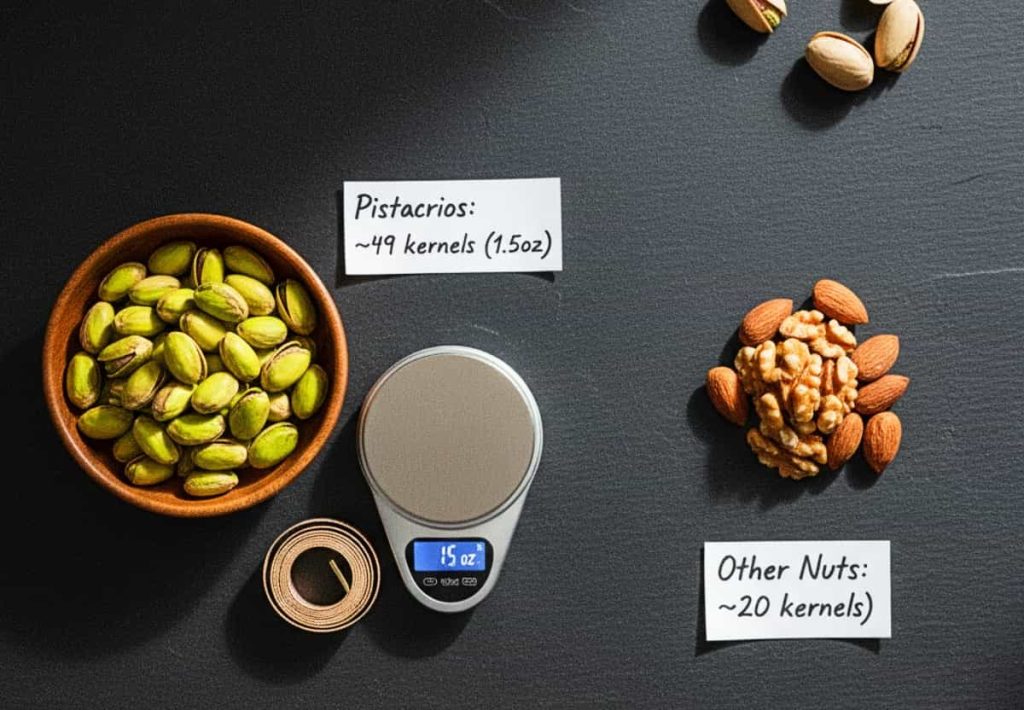
A standard 1-ounce serving (about 49 kernels) provides:
- ~160 calories
- ~6 g protein
- ~3 g fiber
- A high proportion of monounsaturated and polyunsaturated fats
- Key micronutrients such as vitamin B6, potassium, magnesium, and phosphorus
This balance places pistachios in a unique category: energy-dense, but metabolically supportive, especially when eaten in moderate portions.
Pistachios and Cardiovascular Health
Heart health is one of the most consistently studied benefits of pistachios.
Their fat profile favors unsaturated fats, which are associated with improvements in:
- LDL (“bad”) cholesterol
- Total cholesterol
- Oxidized LDL particles (a key driver of atherosclerosis)
Beyond fats, pistachios also contain phytosterols, polyphenols, and antioxidants that help reduce oxidative stress and vascular inflammation — both of which are closely tied to blood pressure regulation and cardiovascular risk.
Blood Sugar Control and Insulin Sensitivity
Pistachios are considered a low-glycemic food, meaning they produce minimal spikes in blood sugar. Their fiber slows carbohydrate absorption, while the fat and protein content blunt post-meal glucose rises.
Studies show that pistachios eaten alone — or added to carbohydrate-heavy meals — can reduce postprandial glucose and insulin responses, making them a strategic food for blood sugar management. In fact, a recent study published by the National Institutes of Health (PMC) confirms that regular consumption can significantly improve insulin sensitivity and support long-term metabolic markers.
The Specialist’s Nuance: The Behavioral Brake
The Nuance: Specialists often debate whether the benefits of pistachios come solely from their chemistry or also from their “packaging.” Behavioral nutritionists highlight “The Pistachio Principle”: the physical act of shelling each seed acts as a cognitive brake, slowing down consumption and giving the brain time to register satiety signals.
Expert Tip: Leaving the empty shells on the table serves as a visual cue of consumption. Research suggests this visual feedback can lead to a significant reduction in calorie intake compared to eating pre-shelled nuts, where the “evidence” of how much you’ve eaten disappears instantly.
Gut Health and the Role of Fiber
The fiber in pistachios doesn’t just aid digestion — it feeds beneficial gut bacteria.
During fermentation in the colon, pistachio fiber is converted into short-chain fatty acids, including butyrate, which:
- Supports intestinal lining health
- Plays a role in inflammation regulation
- Is linked to improved metabolic outcomes
This gut-mediated mechanism helps explain why pistachios are associated with benefits that extend beyond digestion, influencing immunity and metabolic balance.
Weight Management and Satiety
Weight Management and Satiety
Despite being calorie-dense, pistachios are not associated with weight gain in long-term studies. Several factors explain this, including the fact that not all fat in pistachios is fully absorbed during digestion.
In fact, research suggests pistachios may support weight maintenance when used as a replacement for refined snacks. However, if you are concerned about the impact on your scale, we’ve analyzed the data in: Are Pistachios Fattening? The Truth About Calories and Weight Management
Antioxidants and Eye Health
Pistachios stand out among nuts for their content of lutein and zeaxanthin — carotenoids linked to eye health.
These compounds:
- Help protect retinal cells from oxidative damage
- Are associated with reduced risk of age-related macular degeneration
This benefit is relatively unique to pistachios compared to other commonly consumed nuts.
How Much Is Ideal?
Most studies point to a daily intake of:
- 1 to 1½ ounces per day (about one handful)
Choosing in-shell pistachios may help regulate portion size and promote mindful eating.
Potential Risks and Considerations
While pistachios are generally safe for most people, a few cautions apply:
- Tree nut allergies require complete avoidance
- Salted or heavily roasted pistachios can increase sodium intake
- People following a low-FODMAP diet may experience digestive discomfort
How to Include Pistachios in a Healthy Diet
Pistachios are versatile and easy to integrate:
- As a snack on their own
- Added to salads, grain bowls, or yogurt
- Blended into pesto or nut spreads
- Used as a crust for fish or poultry
Their nutritional profile remains stable even after cooking.
FAQ: Pistachios and Health
Are pistachios good for you every day?
Yes, when eaten in moderation, pistachios can be part of a healthy daily diet.
Do pistachios spike blood sugar?
No. They are low-glycemic and may actually help stabilize post-meal glucose levels.
Are pistachios fattening?
Despite their fat content, studies show pistachios are not linked to weight gain when consumed responsibly.
Are pistachios better than other nuts?
They aren’t “better,” but they are nutritionally distinct — especially for fiber, potassium, and eye-protective antioxidants.
Final Takeaway
Pistachios are more than a snack. Their unique combination of macronutrients, micronutrients, and bioactive compounds supports heart health, metabolic control, gut function, and long-term wellness. When eaten regularly and mindfully, they offer benefits that go far beyond calories.
