Skip to content

7 Surprising benefits of pistachios for metabolic health

To share

Pistachios may look like a simple snack, but nutritionally, they’re doing a lot more than adding crunch. Research consistently shows that pistachios deliver a rare combination of protein, fiber, healthy fats, and bioactive compounds. Unlike many snacks that spike blood sugar, these seeds interact with the body in a regulated way.
pistachios

What Makes Pistachios Nutritionally Unique?

Although commonly called nuts, pistachios are technically seeds. This distinction matters for their nutritional profile.

Unpacking the botanical classification and nutrient architecture of pistachios reveals why these distinctive seeds deliver a metabolic matrix that far surpasses conventional processed snacks. Their unique composition of plant proteins and micronutrients provides a synergistic biochemical effect, supporting cellular function and metabolic efficiency without triggering the glycemic volatility associated with refined carbohydrate alternatives.

The Macronutrient Breakdown

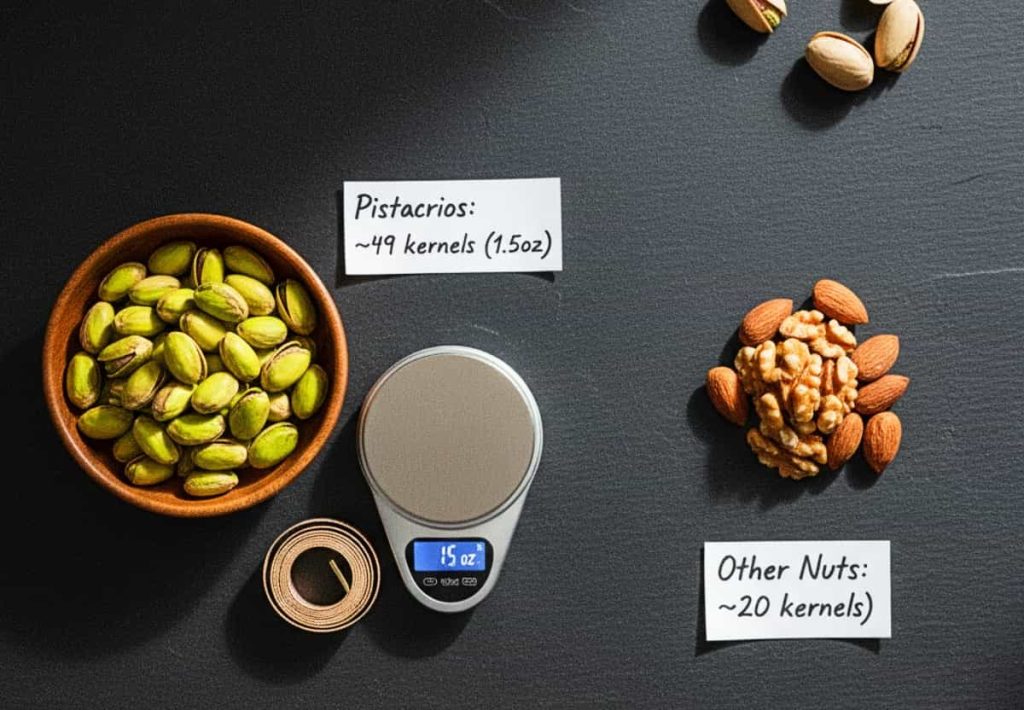
A standard 1-ounce serving (about 49 kernels) provides a balanced mix of energy-dense nutrients:

  • Protein: ~6g per serving.
  • Fiber: ~3g, aiding in satiety.
  • Healthy Fats: High proportion of monounsaturated and polyunsaturated fats.

Analyzing the specific ratios of macronutrients packed inside pistachios demonstrates why incorporating them into a daily routine offers a sustained, steady release of energy. The harmonious balance of structural fiber, slow-digesting plant protein, and quality lipids ensures that digestive kinetics remain optimized, preventing sudden insulin surges while supporting long-term satiety and metabolic stability.

Blood Sugar Control and Insulin Sensitivity

Pistachios are considered a low-glycemic food, meaning they produce minimal spikes in blood sugar. Their fiber slows carbohydrate absorption, while the fat and protein content blunt post-meal glucose rises. Studies show that when pistachios are added to carbohydrate-heavy meals, they can significantly reduce the overall glycemic response. In fact, peer-reviewed research available through the National Institutes of Health (PMC) confirms that regular pistachio consumption can improve long-term insulin sensitivity and support healthier metabolic markers.

Evaluating the clinical mechanisms behind postprandial glycemic regulation highlights why consuming pistachios as part of a mixed-macronutrient meal yields profound advantages for metabolic longevity. By slowing gastric emptying and modulating hepatic glucose output, the bioactive components within these seeds help preserve pancreatic beta-cell function and enhance peripheral insulin receptor sensitivity over time.

Monitoring glycemic variability in clinical settings reinforces why evaluating the postprandial impact of nutrient-dense seeds provides critical metabolic feedback for overall health. Because these unique molecular configurations blunt sharp glucose spikes, they help prevent the reactive hyperinsulinemia that strains pancreatic function over time. Combining this steady-state metabolic response with other evidence-based dietary strategies creates a synergistic environment for long-term health, sharing similar physiological mechanisms with insights detailed in 7 Surprising benefits of pistachios for metabolic health.

Cardiovascular Health and Cholesterol

Heart health is one of the most consistently studied benefits of pistachios. Their fat profile favors unsaturated fats, which are associated with improvements in LDL (“bad”) cholesterol.

Investigating the lipid-modulating properties of pistachios reinforces why clinicians frequently recommend them as a cornerstone dietary strategy for maintaining vascular health. The high concentration of phytosterols actively competes with dietary cholesterol absorption in the gut, while their favorable fatty acid profile works to optimize circulating lipid biomarkers and protect endothelial tissue from chronic oxidative damage.

Reviewing the extensive clinical data regarding lipoprotein metabolism reveals why integrating pistachios into a heart-healthy diet yields measurable improvements in vascular risk markers. The synergistic combination of phytosterols, arginine, and monounsaturated fats actively supports endothelial nitric oxide production while optimizing the ratio of circulating atherogenic particles.

This multifaceted biochemical action protects arterial walls from oxidative stress and helps maintain healthy blood flow parameters over the long term, making these seeds a valuable therapeutic food for cardiovascular protection.

Reducing Vascular Inflammation

Beyond fats, they contain phytosterols and polyphenols that help reduce oxidative stress.

Exploring the cellular pathways influenced by the polyphenolic compounds found in pistachios reveals their powerful role in mitigating systemic low-grade inflammation. These potent antioxidants neutralize free radicals before they can oxidize low-density lipoproteins, thereby halting the early cellular cascade that contributes to arterial plaque formation and endothelial dysfunction.

Evaluating the long-term epidemiological data associated with carotenoid-rich diets demonstrates why integrating pistachios into a preventive health strategy provides profound protection for delicate neural tissues. As the macula naturally thinned by cumulative photo-oxidation and age-related metabolic decline, maintaining a steady circulating pool of bioavailable macular pigments becomes essential for preserving central visual acuity.

The unique combination of fats present in these seeds actually enhances the intestinal absorption and systemic transport of these fat-soluble antioxidants, ensuring they reach ocular tissues with maximum efficiency.

Analyzing the molecular mechanisms of chronic low-grade inflammation highlights why the polyphenolic compounds concentrated in pistachios play an essential role in vascular protection. These bioactive micronutrients effectively suppress pro-inflammatory cytokine expression and inhibit the nuclear factor kappa B (NF-kB) pathway within endothelial cells.

By mitigating this cellular inflammatory cascade, regular consumption of these seeds helps preserve vascular integrity and prevents the early pathophysiological events that compromise arterial elasticity.

The Role of Antioxidants in Blood Pressure

These bioactive compounds assist in maintaining vascular elasticity, which is a key factor in long-term blood pressure regulation and overall cardiovascular risk reduction.

Reviewing the vascular dynamics associated with regular intake of pistachios demonstrates how specific micronutrients support optimal arterial compliance and systemic hemodynamics. The bioactive compounds present in these seeds encourage the upregulation of endothelial nitric oxide synthase, a crucial enzyme responsible for maintaining vessel relaxation and supporting healthy, long-term blood pressure control.

Examining the autonomic and hemodynamic pathways influenced by regular dietary intervention demonstrates why incorporating pistachios can positively modulate resting blood pressure parameters. The unique convergence of potassium, magnesium, and vascular-protective antioxidants helps optimize electrolyte balance and cellular membrane polarization within smooth muscle cells.

This targeted physiological support encourages systemic vasodilation and reduces total peripheral resistance, providing a sustainable, food-based approach to long-term cardiovascular resilience.

Weight Management and Satiety

Despite being calorie-dense, pistachios are not associated with weight gain in long-term studies. Several factors explain this, including the “Pistachio Principle” of mindful eating and the fact that not all fat in the seeds is fully absorbed during digestion. Because they are a strategic replacement for refined snacks, they often help individuals maintain a healthy caloric balance. However, if you are concerned about the impact on your scale, we have analyzed the full data in our dedicated guide: Are Pistachios Fattening? The Truth About Calories and Weight Management.

Balancing energy density against actual metabolic utilization proves why incorporating pistachios into a weight-conscious nutrition plan does not compromise fat-loss goals. Because a fraction of the lipid content remains entrapped within the rigid plant cell walls during digestion, the net metabolizable energy is lower than the gross caloric value, offering a physiologically forgiving snack for body composition management.

Evaluating the practical implications of daily dietary habits highlights how incorporating measured portions of nutrient-dense foods can drive measurable physiological improvements over time. Clinical tracking shows that consistent, moderate consumption supports steady body composition changes and metabolic adaptation without requiring restrictive caloric tracking. Prioritizing these structured, daily nutritional routines ensures your body reaps maximum cardiometabolic rewards, a phenomenon detailed in clinical protocols like What happens if I eat 20 pistachios a day? A powerful 6-week transformation.

The Specialist’s Nuance: The Behavioral Brake

The Nuance: Specialists often debate whether the benefits of pistachios come solely from their chemistry or also from their “packaging.”

Analyzing the intersection of behavioral psychology and human physiology clarifies why the physical effort required to consume pistachios fundamentally alters eating speed and neuroendocrine satiety signaling. This mandatory tactile engagement delays the rate of caloric ingestion, giving the central nervous system adequate time to register leptin and peptide YY surges before overconsumption occurs.

The “Pistachio Principle”

Behavioral nutritionists highlight the physical act of shelling each seed as a cognitive brake, slowing down consumption.

Exploring the intersection of environmental cues and human ingestive behavior highlights why understanding the mechanics behind pistachios goes far beyond basic nutritional components. When individuals are forced to physically extract each kernel from its protective hull, the disrupted eating cadence allows neuroendocrine satiety signals to catch up with actual caloric ingestion.

This built-in behavioral barrier prevents the mindless, rapid grazing often associated with pre-shelled snacks, offering a powerful psychological tool for anyone seeking to naturally moderate energy intake without feeling deprived.

Visual Cues and Satiety Signals

Leaving the empty shells on the table serves as a visual reminder of what you’ve eaten. Research suggests this visual feedback helps the brain register fullness sooner, leading to lower calorie intake compared to pre-shelled nuts.

Analyzing the neurobiological feedback loops triggered by mindful eating practices reveals why the tactile ritual of consuming pistachios profoundly influences energy intake regulation. When the brain receives continuous visual confirmation of food consumption via accumulating empty shells, it accelerates the down-regulation of orexigenic signals like ghrelin while amplifying satiating neuropeptides.

This behavioral mechanism bridges the gap between mechanical fullness and cognitive satisfaction, proving that the physical presentation of whole foods plays a critical role in preventing passive overeating.

Eye Health: The Lutein Advantage

Pistachios stand out among nuts for their content of lutein and zeaxanthin.

Examining the specialized deposition of carotenoids within ocular tissue highlights why pistachios provide uncommon functional benefits that extend far beyond standard cardiovascular and metabolic endpoints. By concentrating in the macular region of the retina, lutein and zeaxanthin act as biological filters against high-energy blue wavelengths, safeguarding photoreceptor cells from cumulative light-induced oxidative stress.

Investigating the biochemical microenvironment of the central nervous system reveals why the specialized nutritional profile of pistachios extends well beyond metabolic and circulatory benefits. Because neural tissues like the retina have exceptionally high metabolic rates and are constantly exposed to oxidative challenges, they rely heavily on exogenous dietary antioxidants to maintain structural integrity.

The efficient delivery of lipid-soluble carotenoids directly to ocular structures provides a vital defense mechanism, preserving long-term visual function against the cumulative wear of daily environmental stressors.

Protection Against Blue Light and Aging

These carotenoids help protect retinal cells from oxidative damage.

Investigating the photoprotective mechanisms of ocular carotenoids clarifies why incorporating pistachios into a regular nutritional pattern offers targeted biological defenses against environmental oxidative stress. Because the human retina is continuously exposed to high-energy visible light and elevated metabolic oxygen consumption, it is uniquely vulnerable to the generation of reactive oxygen species and cellular lipid peroxidation.

The preferential accumulation of lutein and zeaxanthin directly within the central macula neutralizes these free radicals at the cellular level, protecting delicate photoreceptor membranes and supporting long-term visual performance across the aging spectrum.

Reducing Macular Degeneration Risk

By acting as a “natural sunblock” for the eyes, these nutrients are associated with a significantly reduced risk of age-related macular degeneration, a benefit rare in the nut family.

Examining the precise optical physics and biochemical mechanics of the human eye clarifies why evaluating the role of pistachios in preventing degenerative ocular conditions requires looking at how specialized carotenoids filter damaging light waves. Because high-energy blue light penetrates deep into the retinal layers, it continuously generates reactive oxygen species that accelerate cellular senescence and tissue breakdown within the macula.

The unique accumulation of lutein and zeaxanthin delivered by these nutrient-dense seeds acts as a localized optical filter, absorbing phototoxic wavelengths before they can inflict oxidative damage on delicate photoreceptor membranes.

This targeted cellular protection significantly lowers the incidence of age-related visual decline, offering an exceptional physiological advantage that sets this specific seed apart from almost all other members of the tree nut family.

FAQ – Health Benefits of Pistachios

1. Are pistachios good for you every day?

Yes, in moderation (about one handful), they support heart and metabolic health.

2. Do they cause bloating?

Usually not, but they contain fructans. If you have a sensitive gut, introduce them slowly.

Demystifying common dietary misconceptions regarding daily nut consumption provides complete clarity on why analyzing pistachios through an evidence-based clinical lens empowers smarter dietary planning.

Dispelling the outdated fear that all calorie-dense seeds lead to fat accumulation allows individuals to harness the true biochemical power of whole foods, leveraging their unique blend of plant proteins, viscous fibers, and bioactive micronutrients to fortify overall metabolic and systemic health.

Reviewing the nuances of digestive tolerance and individual variability underscores why incorporating pistachios requires a personalized approach based on gastrointestinal adaptation. While the moderate presence of fermentable fructans can occasionally cause mild bloating in sensitive individuals, introducing these nutrient-dense seeds in gradual portions allows the gut microbiome to adapt efficiently.

This measured approach ensures that every consumer can safely capture the full spectrum of cardiovascular, metabolic, and cellular benefits these unique seeds have to offer.

Medical Disclaimer: The information on The NutriDeep is for educational and informational purposes only. While pistachios are highly nutritious, they are tree nuts and can cause severe allergic reactions. Always consult a healthcare professional or nutritionist before making significant changes to your diet, especially if you have pre-existing health conditions or food allergies.