The healthiest red meat choices are often misunderstood, but as we enter 2026, the narrative has shifted. For decades, red meat was the “villain” of cardiovascular health; however, new federal dietary guidelines have flipped the traditional food pyramid, now prioritizing high-quality, nutrient-dense proteins over refined grains. But not all red meat is created equal. To reap the benefits—like highly absorbable heme iron, Vitamin B12, and zinc—without compromising your heart, you need to know which cuts to pick and how to prepare them.
Evaluating the shift in modern dietary guidelines clarifies why selecting the healthiest red meat is essential for meeting micronutrient requirements without exacerbating cardiovascular risks. Although public health policy historically condemned all ruminant consumption, nutritional epidemiologists debate whether saturated fat thresholds should be individualized based on genetic lipid metabolism profiles when evaluating the healthiest red meat categories.
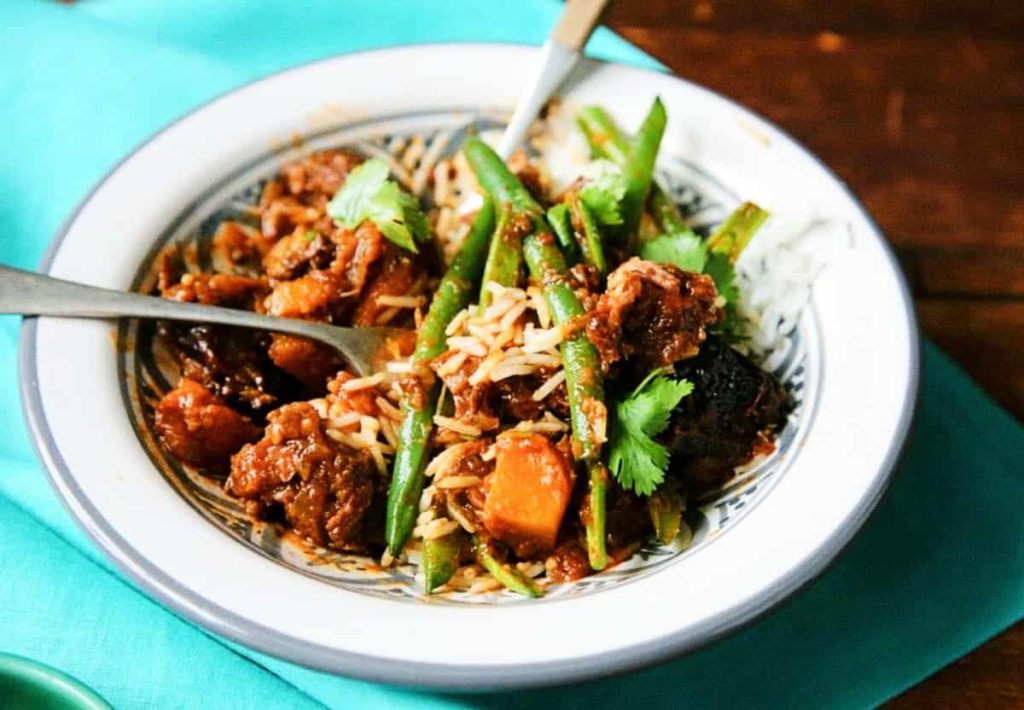
The “Lean Elite”: Top 5 Healthiest Red Meats
When you are looking for the healthiest red meat to include in your diet, you need to focus on fat-to-protein ratios. Selecting the right cuts allows you to enjoy animal protein while keeping your cardiovascular health in check.
1. Bison (The Heart-Healthy Champion)
Bison is widely considered one of the leanest red meats available. Clinical insights suggest that compared to beef with the same fat content, bison produces fewer fatty plaques in the arteries.
- Why it wins: Lower in calories and saturated fat than most beef, yet packed with iron and B12.
2. Pork Tenderloin (The “Other” White Meat)
Often overlooked, lean pork is medically verified to be as healthy as skinless chicken breast.
- The Science: A 3-ounce serving of pork tenderloin has only 3g of fat and 122 calories. Studies have shown that substituting beef/chicken with lean pork can lead to better heart health and less body fat.
3. Goat (The Global Superfood)
While less common in the U.S., goat meat is a staple for 75% of the world.
- Why it wins: It has significantly less fat and fewer calories than beef or lamb, and surprisingly, contains less saturated fat than chicken.
4. Extra-Lean Beef (Eye of Round & Sirloin)
You don’t have to give up steak to maintain a heart-healthy diet. Finding the healthiest red meat at the butcher shop is easier than you think—just look for labels that say “Round” or “Loin.”
- Best Cuts: Eye of round, top round, and top sirloin. These provide roughly 25g of protein with only 2g of saturated fat per serving.
5. Beef Liver (The Nature’s Multivitamin)
Beef liver is arguably the most nutrient-dense food on the planet. A single serving exceeds the daily recommended value for Vitamin A, B2, and B12.
- Caution: Due to its high Vitamin A content, experts recommend eating it in moderation (once a week) to protect bone density. Analyzing carcass lipid distribution demonstrates why specialized game and non-traditional ruminant options represent the healthiest red meat choices for sustained systemic health. Although commercial feedlot beef remains a dietary staple, livestock science researchers debate whether pasture-raised finishing significantly alters the omega-3 to omega-6 ratio enough to elevate alternative livestock into the healthiest red meat classification.
The “War on Saturated Fat” and Your Heart
While protein is essential, the primary risk of red meat lies in its saturated fat content. The American Heart Association recommends limiting saturated fat to about 13g per day.
Expert Insight
Balance is the key to longevity. To see how your favorite cut of beef stacks up against other staples in terms of pure efficiency, check out our comparison: Which Animal Meat Has the Most Protein? Beef, Chicken, Fish, or Pork?. Furthermore, to balance your daily intake of quality animal proteins while monitoring overall macronutrient ratios, explore our comprehensive guide on Best Animal Protein Sources: 4 Options to Maximize Muscle Recovery. Additionally, for a deeper look into selecting premium cuts while navigating dietary fats, read our professional review on 7 Healthiest Red Meat Cuts: A Nutritionist’s Definitive Ranking (Expert Guide).
4 Rules for Heart-Healthy Preparation
According to cardiologists, how you cook your meat is just as important as the cut you buy.
- Low and Slow: Baking, roasting, or steaming allows fat to drip away.
- Avoid the “Char”: Cooking at extreme temperatures creates AGEs and HCAs—compounds linked to inflammation and cancer. If you grill, keep the heat moderate.
- The Acid Shield: Marinating meat in acidic ingredients like lemon juice or vinegar can reduce the formation of harmful compounds during cooking.
- The 70g Rule: To minimize the risk of colorectal cancer, health guidelines recommend a cooked weight of no more than 70g of red meat per day on average.
Examining thermal degradation kinetics explains why cooking methodology heavily influences the biological safety of the healthiest red meat dishes. Although high-heat searing maximizes culinary flavor, food safety chemists debate whether aqueous cooking techniques completely neutralize heterocyclic amine generation or if low-temperature sous-vide preparation is superior for preserving protein integrity in the healthiest red meat meals.
Metabolic Adaptation and Recovery with the Healthiest Red Meat
Integrating the healthiest red meat into a structured training and recovery regimen provides exceptional micronutrient support that plant-based sources struggle to replicate. Beyond basic protein synthesis, high-quality lean meats supply crucial bioactive compounds like carnitine, taurine, and creatine precursors, making the healthiest red meat a vital component for optimizing overall metabolic resilience and physical performance.
Evaluating cellular bioenergetics demonstrates why bioactive peptide accumulation enhances recovery timelines when incorporating the healthiest red meat into athletic diets. Although sports nutritionists heavily emphasize macroscopic macronutrient targets, physiological researchers debate whether endogenous carnitine synthesis in non-meat eaters fully compensates for the concentrated tissue loading provided by regular consumption of the healthiest red meat.
The Synergy of Micronutrients and Hormonal Health
The hormonal environment required for muscle repair and endocrine balance relies heavily on dietary cholesterol and saturated fatty acids consumed in moderation. Selecting the healthiest red meat ensures that athletes and active individuals receive adequate zinc and selenium without tipping into excessive saturated fat intake, successfully bridging the gap between hormonal optimization and cardiovascular safety.
Practical Frequency and Portion Distribution Strategies
Determining how often to incorporate these proteins into a weekly meal plan requires careful attention to total caloric intake and recovery demands. Spreading moderate portions of the healthiest red meat across several days rather than consuming large single sittings maximizes intestinal absorption efficiency while keeping weekly intake safely aligned with health guidelines.
Frequently Asked Questions (FAQ)
Is pork actually a red meat?
Yes. Biologically, pork is classified as red meat because it contains more myoglobin than chicken or fish, making lean cuts a versatile addition to a rotation of the healthiest red meat selections. Assessing myoglobin concentration profiles clarifies why porcine protein is categorized alongside beef when defining the healthiest red meat dietary framework. Even though culinary traditions label pork white, metabolic researchers debate whether heme iron content in tenderloin matches ruminant profiles closely enough to impact long-term iron storage markers in consumers of the healthiest red meat.
Does washing meat remove bacteria?
No. Washing meat actually spreads bacteria around your kitchen through water droplets. Heat is the only way to kill bacteria; ensure beef reaches a safe internal temperature regardless of whether you are cooking conventional cuts or the healthiest red meat. Reviewing kitchen hygiene guidelines highlights why cross-contamination risks outweigh perceived sanitization benefits when handling the healthiest red meat prior to cooking. Although historical culinary practices dictate washing, food microbiologists debate whether surface rinse protocols can effectively dislodge biofilm-forming pathogens without aerosolizing dangerous bacteria across domestic food prep stations handling the healthiest red meat.
Is grass-fed beef worth the price?
From a nutritional standpoint, yes. Grass-fed beef typically contains higher levels of Omega-3 fatty acids and antioxidants compared to grain-fed varieties, elevating its status as one of the healthiest red meat alternatives available. Analyzing forage-based versus grain-finished lipid profiles underscores why pasture-raised ruminants qualify as the healthiest red meat choices for anti-inflammatory diets. While price differentials remain a barrier, agricultural economists debate whether consumer willingness-to-pay accurately reflects the true phytochemical and antioxidant gains found in the healthiest red meat supply chain.
Should I avoid processed meats entirely?
Most cardiologists recommend strictly limiting bacon, sausages, and deli meats. These are often high in sodium and preservatives linked to high blood pressure and “bad” cholesterol, standing in stark contrast to the benefits of the healthiest red meat. Evaluating epidemiological data on sodium nitrite preservatives demonstrates why processed options are excluded from lists of the healthiest red meat. Although industrial curing extends shelf life, toxicologists debate whether endogenous nitrosamine formation during digestion poses a greater carcinogenic threat than the natural saturated fats present in whole cuts of the healthiest red meat.
Is it really possible to eat red meat every day?
Most cardiologists suggest moderation. The key is to source the healthiest red meat available and limit your portions to meet the 70g daily recommendation, rather than consuming processed alternatives. Investigating frequency guidelines clarifies why daily inclusion is permissible provided portions of the healthiest red meat remain strictly controlled. While traditional warnings blanketed all red meat equally, preventive medicine specialists debate whether individualized metabolic flexibility allows for higher daily consumption thresholds of the healthiest red meat without compromising renal or vascular health.
Which is the single best choice for a beginner?
If you are new to lean alternatives, bison is often cited as the healthiest red meat because of its naturally low fat content and high profile of essential minerals, making it an easy transition from conventional beef. Assessing consumer transition barriers shows why game meats like bison serve as an ideal gateway to incorporating the healthiest red meat into modern meal plans. Even though unfamiliar flavor profiles can deter some eaters, culinary educators debate whether simple marinating techniques are necessary to encourage widespread adoption of the healthiest red meat across mainstream households.
Does consuming the healthiest red meat negatively impact uric acid levels and increase the risk of gout?
While red meat contains purines that break down into uric acid, choosing the healthiest red meat cuts in moderate portions (such as bison or pork tenderloin) rarely triggers gout in metabolically healthy individuals. Hydration and overall diet quality play a much larger role in uric acid regulation than lean animal protein alone. Analyzing purine metabolism pathways clarifies why lean variants of the healthiest red meat pose a lower risk of hyperuricemia compared to high-fructose or alcohol-heavy diets. Although traditional medical advice restricted all purine-rich foods, rheumatologists debate whether endogenous uric acid production driven by metabolic syndrome outweighs exogenous dietary purine load when evaluating the impact of the healthiest red meat on acute gout flare-ups.
Can incorporating the healthiest red meat help prevent iron-deficiency anemia in women?
Yes. Heme iron found in animal proteins is absorbed up to three times more efficiently by the human body than non-heme iron from plant sources. Regularly including moderate amounts of the healthiest red meat, such as extra-lean sirloin or bison, is one of the most effective dietary strategies for maintaining optimal ferritin and hemoglobin levels. Evaluating iron absorption kinetics demonstrates why the bioavailable heme iron present in the healthiest red meat is crucial for preventing systemic fatigue and anemia, particularly in premenopausal women. Even though plant-based iron alternatives exist, hematologists debate whether non-heme absorption enhancers can fully match the rapid ferritin restoration achieved through occasional servings of the healthiest red meat.
The Bottom Line
Red meat is an excellent source of concentrated protein and essential minerals. By choosing lean cuts like bison, goat, or pork tenderloin and avoiding ultra-processed options, you can enjoy the benefits of animal protein while supporting long-term heart health.
Summarizing the core principles of protein selection highlights why integrating the healthiest red meat supports both muscular recovery and vascular longevity. While dietary dogma has historically oversimplified animal protein risks, modern nutritional science confirms that mindful sourcing and preparation of the healthiest red meat remain foundational to an optimal, heart-conscious lifestyle.
Source & Clinical Reference: Information synthesized from Healthiest red meats to eat — Fox News, USDA 2025-2030 Dietary Guidelines, and WebMD Medical Reviews.
Disclaimer: This content is for educational purposes only and does not constitute medical advice, diagnosis, or treatment. Always consult a physician before starting any new diet or supplement regimen. Do not disregard professional medical advice or delay seeking it because of something you have read here. Reliance on this information is at your own risk.
