When building muscle or managing weight, protein isn’t just another number—it’s the fundamental building block of recovery. Finding the best animal protein sources is essential for optimizing your daily intake and ensuring you get all nine essential amino acids in a highly digestible form.
By identifying the best animal protein sources, you can effectively structure your meals to support hypertrophy and metabolic Health, But if you are “protein-maxxing”—optimizing your intake to hit a specific daily goal—which animal actually delivers the most bang for your buck?
Prioritizing complete, highly bioavailable proteins ensures your tissues receive the precise amino acid ratios required to trigger muscle protein synthesis and accelerate post-workout repair. Selecting the best animal protein sources provides your body with unmatched nutrient density, supporting both metabolic efficiency and long-term vitality without excess caloric overhead.
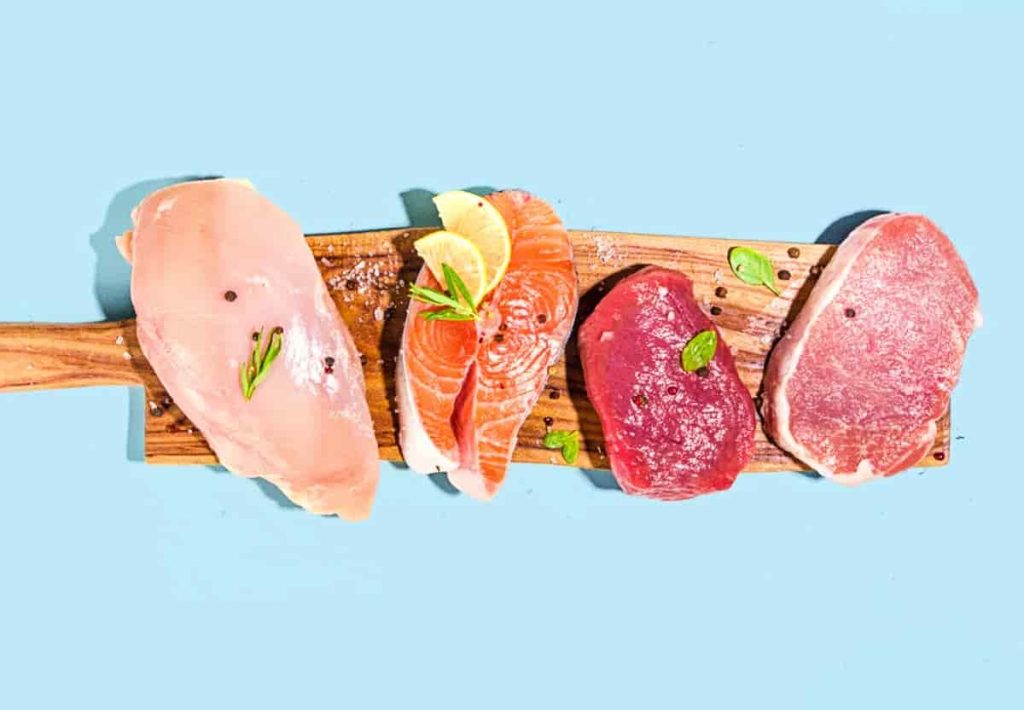
The Winner: Poultry Takes the Crown
In almost every clinical comparison, chicken breast (skinless and boneless) ranks as the most efficient protein source.
Because of its minimal connective tissue and exceptional amino acid profile, skinless chicken breast digests rapidly and efficiently, making it an ideal choice for post-workout recovery when quick nutrient delivery is paramount. Emphasizing this poultry staple among your best animal protein sources streamlines your path to achieving lean muscle hypertrophy without the burden of unwanted fats.
The Stats
A 4 oz raw serving provides approximately 25.4g of protein. Measuring your protein intake by raw weight ensures accurate macro tracking, allowing you to reliably hit your daily nutritional targets without guesswork. Utilizing these high-density best animal protein sources provides an exceptionally predictable amino acid yield that streamlines your fitness and muscle recovery planning.
Why it Wins
It has a very low fat-to-protein ratio, making it the highest density option per calorie. Achieving an optimal macro split without consuming excess calories allows you to maintain a tight caloric deficit or support lean mass accumulation with maximum efficiency. Selecting these superior best animal protein sources ensures you get maximum muscle-building nutrition while keeping your daily energy budget strictly under control.
The Challenger: Turkey
Turkey breast is nearly identical, offering about 23.7g to 26g depending on the cook. It often has a slight edge in being leaner than chicken, with less cholesterol.
Lean poultry serves as a foundational staple for anyone seeking maximum protein return per calorie consumed, making it ideal for both fat-loss phases and lean muscle accumulation. Incorporating these stellar best animal protein sources streamlines your macro tracking while keeping your daily energy expenditure aligned with your structural fitness goals.
The Dark Horse: Pork Loin and Tenderloin
Many people overlook pork, but pork loin is a nutritional powerhouse that rivals chicken.
The Nutritional Breakdown
- High Selenium Content: Serves as a powerful antioxidant trace mineral that supports optimal thyroid function and protects cellular integrity against oxidative stress.
Abundant Complete B-Complex Profile: Delivers significant amounts of Vitamin B6, Niacin, and Vitamin B12, which collectively drive cellular energy production and cognitive performance.
Superior Muscle-Sustaining Amino Acids: Offers a robust concentration of branched-chain amino acids (BCAAs) that directly complement rigorous athletic training and muscular recovery protocols.
Expanding your culinary rotation beyond traditional poultry introduces vital micronutrients like naturally occurring creatine and essential B-vitamins that directly enhance cellular energy production. Utilizing cuts like tenderloin among your best animal protein sources guarantees a diverse amino acid and vitamin profile that supports both athletic output and cognitive health.
Red Meat: Iron-Rich Density
Beef and game meats are the gold standard for those needing a boost in heme iron and Vitamin B12. When researching the best animal protein sources to include in a balanced diet, beef remains a staple due to its nutrient profile.
Traditional Beef
Top Sirloin trimmed of fat provides about 25g of protein per serving. Selecting lean cuts of red meat allows you to reap the profound micronutrient benefits of beef—such as high-bioavailability iron and zinc—without overburdening your daily caloric intake with excess saturated fats. Incorporating carefully trimmed options among your best animal protein sources supports optimal athletic performance, boosts cellular oxygenation, and keeps your nutrition plan exceptionally well-balanced.
Wild Alternatives
If you’re looking for the ultimate lean red meat, venison and bison are superior to traditional beef.
- Venison: Provides 25.5g of protein with almost zero fat.
- Bison: Offers anti-inflammatory omega-3 fatty acids that grain-fed beef lacks.
- Elk: Delivers an exceptionally high protein density (around 26.2g per serving) while remaining remarkably tender and low in saturated fats.
- Wild Boar: Provides a richer, more robust flavor profile alongside a dense matrix of high-quality amino acids and essential micronutrients like selenium and zinc.
Consuming high-quality red meat and wild game delivers superior amounts of highly absorbable heme iron and cobalamin, which are critical for preventing fatigue and optimizing oxygen transport throughout active muscle tissues. Selecting these nutrient-dense best animal protein sources safeguards your systemic performance and supports robust immune function. (To explore how your total daily macro distribution impacts long-term health and muscle retention, read our guide on [How Much Protein Per Day? 5 Proven Science-Backed Steps for Optimal Health]).
Seafood: The Brain-Protein Synergy
Fish might seem “lighter,” but its protein density is surprisingly high. Among the best animal protein sources, seafood provides unique advantages that land-based meats often lack. Incorporating marine-based proteins into your weekly meal rotation delivers a powerful blend of structural amino acids and essential micronutrients that land animals simply cannot replicate. Relying on these nutrient-dense best animal protein sources nurtures your neurological pathways, improves heart health, and elevates your overall physical recovery protocol.
Sockeye Salmon and Tuna
Sockeye Salmon provides 25.2g of protein, nearly matching chicken breast. Grilled Tuna is even higher, sometimes reaching up to 34g of protein per 100g when cooked. Alternating between deep-sea fatty fish and lean white varieties ensures a comprehensive intake of omega-3 polyunsaturated fats alongside your daily protein targets. Prioritizing these premium best animal protein sources combats systemic inflammation, optimizes cognitive longevity, and provides an exceptionally clean fuel source for high-performance living.
The Advantage
You aren’t just getting protein; you’re getting Vitamin D and Omega-3s, which support brain health and reduce inflammation after intense training sessions.
Integrating cold-water fish into your nutrition plan introduces a potent dose of marine-derived omega-3 fatty acids that systematically combat exercise-induced inflammation and protect cardiovascular pathways. Embracing these specialized best animal protein sources bridges the gap between muscular recovery and advanced neurological protection.
Protein Power Rankings: Evaluating the Best Animal Protein Sources (per 100g Grilled/Cooked)
| Meat Source | Protein Content | Key Benefit |
| Grilled Pork | 35.6g | High Creatine & B1 |
| Grilled Tuna | 34.7g | Omega-3s & Vitamin D |
| Grilled Chicken Breast | 32.0g | Lowest Calorie-to-Protein ratio |
| Grilled Beef (Lean) | 21.7g | Superior Heme Iron & B12 |
| Sautéed Shrimp | 17.1g | Low Fat, High Zinc |
Reviewing comparative macro rankings takes the guesswork out of meal preparation, allowing you to fine-tune your nutrition for specific body composition targets. Relying on this structured hierarchy of the best animal protein sources ensures you hit your daily thresholds with absolute precision and culinary variety.
Portions and Satiety
A simple “rule of thumb” from the Johns Hopkins Center for Bariatric Surgery is the Deck of Cards Rule: A portion of meat the size of a whole deck of cards is approximately 3 oz and provides about 21g of protein. Utilizing tactile, real-world visual cues takes the guesswork out of dietary compliance, making it remarkably simple to hit your daily macro targets whether you are dining at home or eating out. Applying these reliable measurement standards to your selection of best animal protein sources ensures consistent satiety, prevents accidental overconsumption, and anchors your long-term weight management success.
Need More Variety?
If you’re looking to vary your protein sources beyond the butcher shop, check out our guide on Foods With More Protein Than an Egg (For All-Day Satiety) to find high-density options in the dairy and legume aisles. Mastering visual portion control eliminates calorie-counting friction and supports long-term adherence to your customized dietary framework. Combining these intuitive guidelines with the best animal protein sources secures all-day satiety and prevents unintended overeating. (For additional strategies on managing appetite and controlling blood sugar through targeted macronutrient scaling, see our detailed guide on [How to Lower Blood Sugar: 5 Proven Strategies for Diabetes Management]).
The Biological Impact of Bioavailable Amino Acids
Understanding how different proteins are absorbed at a cellular level is critical for maximizing recovery and supporting lean muscle mass. Incorporating premium best animal protein sources ensures your body receives a complete spectrum of essential amino acids in their most readily usable form.
The Role of Leucine in Muscle Protein Synthesis
Leucine acts as the primary molecular trigger that initiates muscle repair and growth following resistance training. As the trigger amino acid that activates the mTOR signaling pathway, leucine dictates how effectively your body switches from a catabolic state to an anabolic recovery phase. Prioritizing these targeted best animal protein sources ensures you hit the specific concentration threshold required to maximize cellular growth and accelerate post-exercise recuperation.
Threshold Optimization for Hypertrophy
Consuming adequate amounts of these powerful best animal protein sources in a single sitting allows you to surpass the leucine threshold required to maximize daily muscle protein synthesis. Distributing your daily intake to consistently meet or exceed this per-meal leucine minimum prevents missed opportunities for muscle anabolism and optimizes your overall body composition goals.
Timing and Frequency for Optimal Recovery
Spreading your protein intake strategically throughout the day prevents muscle catabolism and maintains a steady stream of amino acids in the bloodstream.
Post-Workout Anabolic Windows
Consuming fast-digesting proteins immediately after training accelerates glycogen replenishment and tissue repair. Delivering rapid-absorption amino acids directly to depleted muscle tissues helps blunt cortisol spikes and kickstarts the structural reconstruction of micro-tears caused by heavy resistance exercise. Selecting easily digestible best animal protein sources right after a workout provides an immediate, efficient influx of building blocks for rapid recovery.
Pre-Sleep Protein Absorption Protocols
Integrating slow-digesting best animal protein sources before bed provides a sustained release of amino acids that supports overnight recovery and metabolic stability. Sustaining a steady amino acid trickle throughout your resting hours protects lean tissue from breakdown and supports the vital restorative processes that occur during deep sleep.
FAQ: Professional Protein Tips
Does “grass-fed” meat have more protein?
The protein content is generally the same. However, grass-fed meats (like bison or beef) tend to be leaner and have a better ratio of healthy fats (Omega-3s) compared to grain-fed versions.
Is it true that charred meat is unhealthy?
Grilling at very high temperatures can create compounds like HCAs and PAHs. To stay safe, dietitians recommend baking, roasting, or “benignly” processing meats, or simply avoiding the heavily charred bits.
What is the best meat for weight loss?
Venison, turkey breast, and white fish (like tilapia or cod) are among the best animal protein sources for weight loss because they offer the most protein for the fewest calories.
Does cooking meat change the protein amount?
The density increases. Because meat loses water during cooking, 100g of cooked meat will have more protein than 100g of raw meat. This is why a 4 oz raw burger yields about a 3 oz cooked patty. Addressing common preparation and sourcing inquiries ensures you can maximize both the safety and the nutritional yield of your daily meals. Understanding these nuances among the best animal protein sources empowers you to make informed decisions that optimize your health outcomes.
Can I Freeze Cooked Animal Protein Without Losing Quality?
Yes, you can safely freeze cooked meats for up to three months without compromising their structural amino acid profile. However, to prevent moisture loss and freezer burn when storing these best animal protein sources, make sure they are wrapped tightly in airtight containers or vacuum-sealed before placing them in the freezer.
How Does the Cooking Method Affect Protein Digestibility?
Gentle cooking methods like poaching, steaming, or slow roasting help preserve the structural integrity of the protein matrix, making it easier for your digestive enzymes to break down. Over-processing or burning meat can denature the amino acids excessively, which is why choosing clean cooking techniques enhances the overall quality of your best animal protein sources.
Disclaimer: The information provided in this article is for educational and informational purposes only and does not constitute professional medical advice, diagnosis, or treatment. Always seek the advice of your physician or other qualified health provider with any questions you may have regarding a medical condition or dietary changes.
