Understanding creatine water temperature is essential for any athlete looking to optimize their supplement routine. Whether you are mixing your daily dose in a shaker bottle at the gym or stirring it into a morning beverage, the liquid’s thermal state plays a role in solubility. In this guide, we break down why your choice of creatine water temperature—cold, hot, or warm—matters, and how the 15-minute rule ensures you get the most out of every scoop.
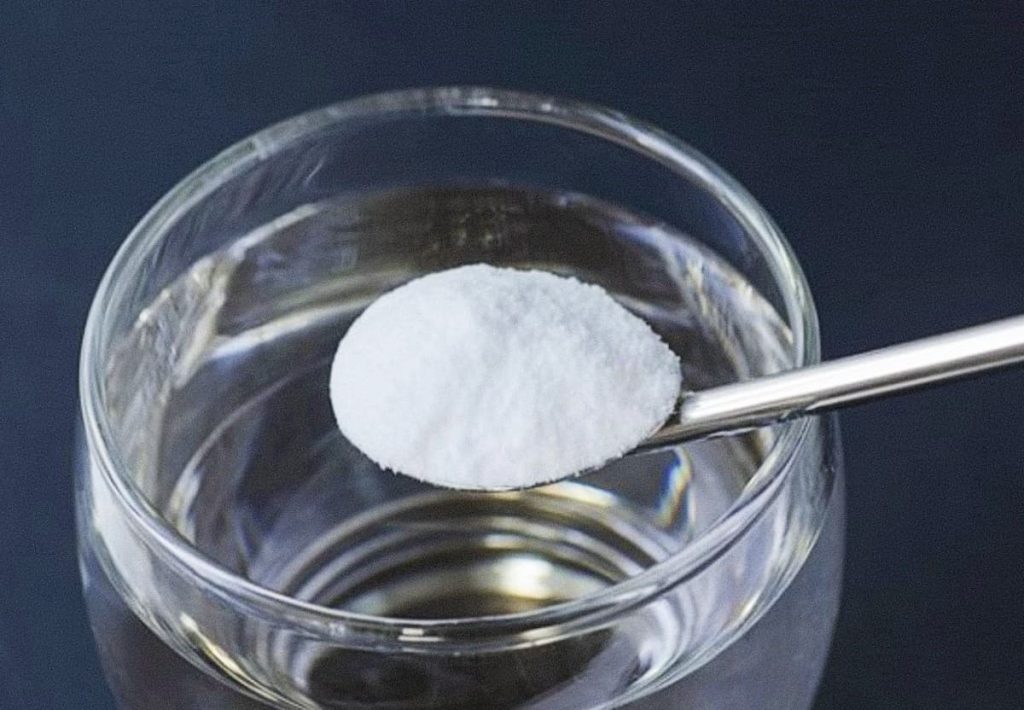
Should Creatine Be Taken With Cold, Hot, or Warm Water? Understanding Solubility vs. Stability
While many athletes focus on workout timing, the impact of creatine water temperature on solubility is often overlooked. Research indicates that while cold water may require more agitation for the powder to dissolve, warm water speeds up this process significantly. However, regardless of the creatine water temperature you choose, the molecular stability remains constant for a short duration, provided you consume the drink promptly. To learn more about maximizing your morning routine, check out our guide on Best time to drink water: 5 Metabolic hydration hacks.
Examining the physicochemical properties of monohydrate powders helps clarify why managing creatine water temperature improves both mixability and gastrointestinal comfort. Although thermodynamic principles govern how rapidly solutes dissolve in varying thermal environments, sports scientists continually debate whether minor changes in baseline water temperature meaningfully affect the speed of initial gastrointestinal absorption when evaluating creatine water temperature.
Solubility (The Mix)
Hotter water has more kinetic energy, breaking down creatine crystals almost instantly. In cold water (5–10°C), creatine often remains “gritty” and settles at the bottom of the glass. Increasing molecular kinetic energy through elevated thermal states prevents clumping and maximizes immediate compound suspension, underscoring the practical utility of choosing the right creatine water temperature. While thermal energy clearly assists initial dissolution, researchers frequently debate whether micronized alternatives render the specific creatine water temperature entirely negligible for routine preparation when assessing creatine water temperature.
Stability (The Potency)
While heat helps it dissolve, it can also be a double-edged sword. Once dissolved, creatine can undergo “intramolecular cyclization,” converting into creatinine—a metabolic waste product that offers no performance benefits. Understanding the chemical degradation pathway into creatinine highlights the importance of keeping creatine water temperature within safe limits prior to consumption. Although prolonged heat exposure undeniably triggers structural breakdown, clinical chemists debate the exact timeline required for significant potency loss to occur at moderately warm temperatures when considering creatine water temperature.
The Temperature Breakdown
Understanding how temperature impacts your supplement is key to getting the most value out of every scoop. Categorizing thermal ranges allows users to tailor their supplementation habits to personal preferences without sacrificing product efficacy, reinforcing the significance of creatine water temperature. While practical guidelines help navigate daily choices, nutrition experts sometimes debate whether individual metabolic variations alter how the body processes differently prepared solutions regarding optimal creatine water temperature.
Cold Water
Perfectly safe but takes longer to stir. You might need to “swirl” the glass repeatedly to catch the sandy residue at the bottom. Utilizing chilled liquids provides a refreshing user experience during intense training blocks, though managing creatine water temperature in this range requires extra physical agitation. Even though cold mixing eliminates all risks of thermal degradation, physical chemists debate whether incomplete powder suspension reduces the immediate bioavailability of the dose during cold creatine water temperature protocols.
Warm/Hot Water (Up to 80°C)
Considered the “sweet spot” for many athletes. It creates a silky-smooth texture without triggering immediate degradation. Capitalizing on an optimal thermal window achieves perfect solubility while safeguarding active compounds, proving that a controlled creatine water temperature benefits daily routines. While this range is widely recommended for smooth mixing, ongoing discussions among supplement manufacturers focus on whether manufacturing purity standards alter thermal tolerance thresholds related to creatine water temperature.
Boiling Water (100°C)
This is where risks increase. Exposure to boiling temperatures for more than 10 minutes significantly accelerates the breakdown into creatinine. Avoiding extreme thermal exposure preserves the structural integrity of the ergogenic aid, emphasizing why monitoring creatine water temperature is non-negotiable for safety. Although brief exposure to high heat is generally manageable, researchers continue to debate the precise threshold at which irreversible structural degradation begins to dominate when handling extreme creatine water temperature limits.
Does Heat Destroy Creatine?
According to pharmacological insights on creatine drinks and stability, creatine in powder form is incredibly resilient, even at high temperatures. However, the biological clock starts ticking once it hits hot liquid. Evaluating the resilience of active compounds under varying environmental stresses clarifies the true boundaries of creatine water temperature guidelines. While dry storage protects against degradation indefinitely, clinical toxicologists and nutritionists debate whether ambient humidity combined with warm storage conditions accelerates long-term bulk powder spoilage prior to adjusting creatine water temperature.
The “15-Minute Rule”
Many bodybuilders ignore that timing is just as critical as the creatine water temperature. If you leave the mixture sitting for hours, the thermal environment can accelerate the degradation of creatine into creatinine. Therefore, regardless of whether you have adjusted the creatine water temperature to a warmer or colder setting, the golden rule remains: consume the drink within 15 minutes to ensure the compound’s full integrity. Enforcing strict consumption timelines minimizes unwanted chemical reactions in liquid suspensions, validating why mastering creatine water temperature must be paired with swift ingestion. Although the 15-minute rule is a reliable standard practice, analytical scientists debate whether modern purified formulas can safely extend this window under refrigerated conditions regardless of initial creatine water temperature.
Pros and Cons of Different Temperatures
Because personal preference plays a significant role in long-term consistency, many athletes debate should creatine be taken with cold, hot, or warm water. If you find that cold water leads to GI discomfort or bloating, swapping to a warmer liquid might be the solution. Remember, the effectiveness of the supplement is tied to your daily intake, so the most important answer to should creatine be taken with cold, hot, or warm water is: whichever one ensures you never miss a dose.
Balancing subjective comfort against objective biochemical factors ensures long-term dietary adherence, reinforcing choices regarding creatine water temperature. While user preference dictates daily application, researchers debate whether chronic reliance on sub-optimal mixing temperatures creates minor variations in overall muscle saturation rates over multi-year training cycles influenced by creatine water temperature.
| Temperature | Pros | Cons |
| Cold | Refreshing post-workout; zero risk of degradation. | Gritty texture; powder settles quickly. |
| Room Temp | Practical; easiest for daily consistency. | May still require extra stirring. |
| Warm/Hot | Dissolves instantly; “gut-friendly” for some. | Risk of potency loss if left to sit too long. |
Best Practices for Maximum Absorption
Beyond temperature, how you take your creatine can influence its overall effectiveness.
Ultimately, your choice depends on your daily habits. There is no ‘wrong’ way to consume it, but there is a most convenient way. By consistently evaluating should creatine be taken with cold, hot, or warm water relative to your pre-workout or post-workout meals, you ensure that your supplementation is not just an afterthought, but a scientifically optimized part of your athletic recovery.
The Insulin Factor
Taking creatine with simple carbohydrates (like fruit juice) or a protein-carb mix stimulates insulin. This hormone acts as a “shuttle,” driving the creatine into your muscle cells more efficiently.
Timing over Temperature
Whether the water is cold or warm, consistency is king. Saturating your muscle stores requires a daily dose of 3–5g, regardless of the time of day.
Internal Synergy
If you’re already mixing your creatine with warm liquids like coffee, you’re likely looking for efficiency. Check out our previous guide on Can You Mix Creatine With Coffee? to see how caffeine affects your strength gains, or learn more about 5 Powerful rules for creatine saturation to refine your intake strategy.
Frequently Asked Questions (FAQ)
Does hot water make creatine work faster?
No. While it dissolves faster in the glass, your body absorbs it with the same high bioavailability (over 95%) regardless of the initial water temperature. Distinguishing between physical dissolution speed and biological absorption rates clears common misconceptions regarding creatine water temperature. Although optical clarity in the glass improves immediately with heat, pharmacokinetics specialists debate whether rapid dissolution marginally reduces initial gastric irritation for sensitive individuals tracking creatine water temperature.
Is creatinine (the byproduct of heat) harmful?
No. Creatinine is a natural waste product already found in your body. If some creatine degrades due to heat, it simply becomes ineffective for your workout, but it is not toxic. Reassuring consumers about the biological safety of metabolic byproducts eliminates unnecessary safety panics concerning inappropriate creatine water temperature handling. While the byproduct is non-toxic, nephrologists debate whether baseline blood creatinine fluctuations from degraded supplements could ever complicate routine clinical kidney function tests linked to creatine water temperature.
Can I mix creatine in my tea?
Yes, as long as the tea isn’t boiling. Mixing it into warm tea is a common practice that helps with solubility. Just avoid letting it sit for hours. Expanding beverage options beyond plain water enhances dietary compliance, provided users monitor the initial creatine water temperature carefully. While herbal and black teas offer convenient warm bases, food scientists debate whether specific polyphenol or tannin compounds in teas interact chemically with micronized creatine structures under varying creatine water temperature settings.
Why does my creatine settle at the bottom of cold water?
Creatine monohydrate has low solubility in cold liquids. This is normal. Simply add a bit more water, stir, and drink the residue to ensure you get your full dose. Explaining the physical limitations of low-temperature solute dynamics prevents user error regarding missed dosages caused by improper creatine water temperature selection. Although settling is entirely normal for cold suspensions, analytical chemists debate whether standard agitation techniques recover 100% of the settled micro-crystals across any creatine water temperature.
Can I prepare my creatine drink the night before?
It’s not ideal. While the cold slows down degradation, creatine is most stable in its powder form. For maximum potency, mix it fresh every day. Advising against prolonged liquid storage safeguards chemical stability regardless of the chosen creatine water temperature used during preparation. While overnight preparation introduces minor degradation risks, stability researchers debate the exact percentage of active loss when solutions are kept strictly sealed and refrigerated regardless of starting creatine water temperature.
Does the season of the year change how should creatine be taken?
Not biologically. Your muscle cells do not change their absorption capacity based on ambient temperature. When considering the ideal creatine water temperature during different seasons, prioritize your comfort and consistency above all else.
Disproving seasonal absorption myths encourages rational supplement adjustments, grounding decisions on practical comfort rather than changing creatine water temperature trends. Even though biological uptake remains constant, behavioral scientists debate whether seasonal climate shifts significantly alter overall daily fluid consumption habits tied to creatine water temperature.
Can I use tea or coffee to bypass the creatine water temperature debate?
Yes, you can, but be mindful that the acidity in coffee can influence the overall solution stability. While the creatine water temperature of your coffee is usually high enough to dissolve the powder instantly, the chemical interaction between caffeine and creatine is a separate topic. If you prefer this method, prioritize speed of consumption to ensure that the creatine water temperature does not negatively impact your gains.
Highlighting complex chemical intersections between acidic brews and ergogenic compounds provides a comprehensive view of advanced supplement stacking involving creatine water temperature. While multi-ingredient hot beverages offer maximum convenience, clinical researchers debate whether high beverage acidity accelerates molecular breakdown prior to gastric entry during variable creatine water temperature applications.
Disclaimer: The content provided on this website is for informational and educational purposes only and is not intended as medical advice, diagnosis, or treatment. Always seek the advice of your physician or other qualified health provider with any questions you may have regarding a medical condition or before starting any new supplement regimen. Never disregard professional medical advice or delay in seeking it because of something you have read on this site. Individual results may vary based on health status, diet, and training intensity.
