Achieving proper creatine saturation is the foundation of any effective muscle-building protocol.
In the world of sports nutrition, few compounds are as misunderstood as creatine monohydrate. While often marketed alongside high-stimulant pre-workouts, creatine operates on an entirely different biological clock. Its efficacy is not built on an immediate “rush” but on the systemic saturation of the phosphocreatine system—a process that requires mechanical precision rather than strategic mixing. Having tracked dozens of athletes through their first cycles,
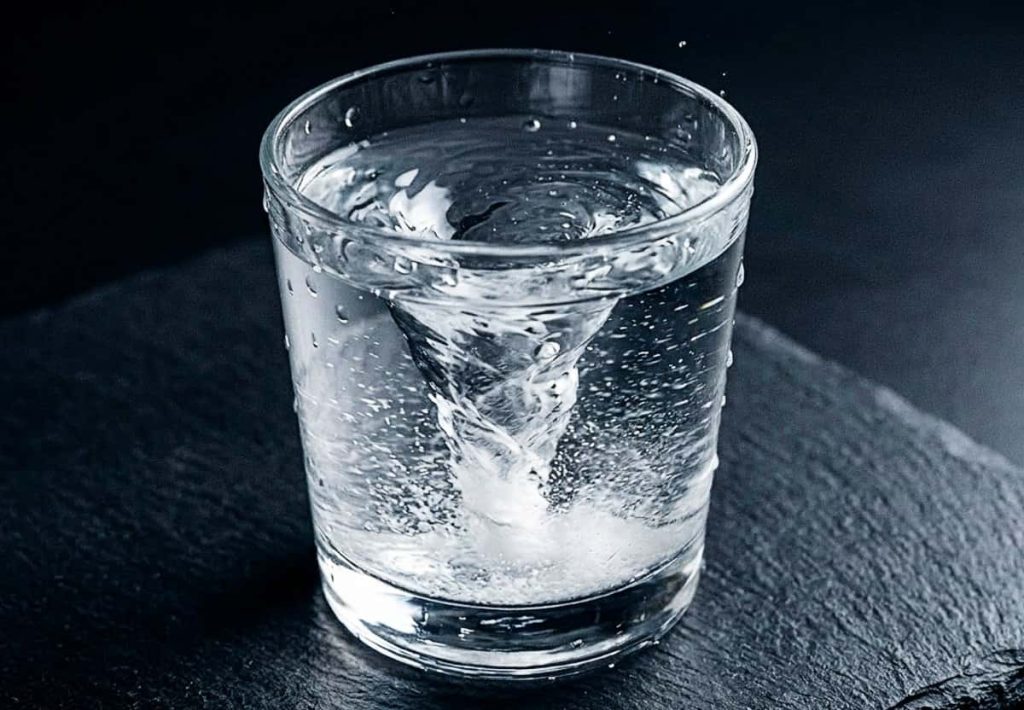
The ATP Regeneration Engine
At the cellular level, muscle contraction is fueled by adenosine triphosphate (ATP). During high-intensity resistance training, ATP stores are depleted within seconds. Creatine acts as a high-speed cellular battery, donating a phosphate group to turn used-up ADP back into functional ATP. Achieving optimal creatine saturation is the most effective way to ensure this battery remains charged throughout your entire training session.
Bridging the Capacity Gap
However, the human body typically maintains muscle stores at only 60% to 80% capacity through natural production and diet. To bridge this 20% to 40% gap for hypertrophy, the tank must be filled to achieve full creatine saturation.
Loading Phase vs. Gradual Saturation
Research by pioneers like Professor Roger Harris confirms that while we can reach this “full” state in 5 to 7 days using a loading phase ($0.3g$ per kg of body mass), the same saturation point is reached in 28 days by simply taking a consistent $3g$ to $5g$ daily dose.
The Myth of the “Training Day” Supplement
One of the most significant errors in muscle-building protocols is treating creatine as an “alternate day” supplement. Because the benefit is derived from total creatine saturation rather than an acute dose-response, skipping rest days causes a slow but steady decline in phosphocreatine levels. Prioritizing daily intake is the only way to avoid these dips and guarantee consistent creatine saturation.
Maximizing Muscle Mass Through Osmotic Signaling
To maximize muscle mass, the dosage must be administered every single day, regardless of physical activity. This daily ritual ensures that the “osmotic signal”—the process where creatine pulls water into the muscle cell—remains constant.
Intracellular Hydration and Growth
This intracellular hydration is a key driver of protein synthesis and satellite cell signaling, which are the primary triggers for long-term muscle growth.
Bioavailability and the “No-Mix” Rule
High-purity creatine monohydrate has a bioavailability near 100%. Mixing it with acidic beverages or complex “combos” is often unnecessary and can lead to gastrointestinal distress. By choosing pure, micronized forms, you protect your gut health while simultaneously accelerating the process of creatine saturation.
Why Pure Creatine Monohydrate Wins
High-purity creatine monohydrate has a bioavailability near 100%. Mixing it with acidic beverages or complex “combos” is often unnecessary and can lead to gastrointestinal distress.
Digestive Optimization
The consensus among dietitians is clear: the most effective way to ingest creatine is in its isolated, micronized form. This ensures the digestive system can process the amino acid without competing with excessive fillers.
The Nuance Check: Loading vs. Maintenance
A common point of debate among strength coaches is the necessity of the “Loading Phase.” The nuance lies in the athlete’s timeline:
The Loading Path: Ideal for those needing immediate strength gains for a competition within 10 days.
The Gradual Path: Taking $3g$ to $5g$ daily from day one. It is easier on the kidneys and stomach, and while it takes three weeks longer to “feel” the effects, the end result is identical. Ultimately, both paths rely on the same fundamental principle: reaching the point of creatine saturation where muscle performance is maximized.
FAQ: Mastering Your Creatine Protocol
1. Is it a problem to take creatine only on gym days?
Yes, if the goal is maximum muscle gain. Creatine saturation works by maintaining a steady state in the tissue. If you only take it 3 or 4 times a week, you are constantly letting your levels dip. You are constantly letting your levels dip. In my experience, athletes who treat it like a daily multivitamin see far better strength retention than those who treat it as a pre-workout, as noted in the comprehensive guide on creatine loading and saturation.
2. Does creatine cause dehydration or kidney stress?
In healthy individuals, there is no evidence that standard doses harm the kidneys. Creatine actually increases intracellular hydration; just ensure your overall water intake remains high.
3. Can I take the full 20g loading dose at once?
No. Splitting the dose into 4 or 5 servings of $5g$ throughout the day is the standard research-backed method to maximize absorption.
4. Does the water have to be warm for it to work?
Temperature does not affect efficacy, though it helps with solubility. As long as you consume the sediment, temperature is a matter of preference.
5. Will I lose muscle if I stop for a weekend?
You won’t lose tissue, but you will begin to lose the intracellular water volume and ATP recycling capacity. For more on optimizing your intake, refer to our guide on Electrolyte Overload: Is Your “Functional Water” Actually Dehydrating You?.
Disclaimer: The information provided in this article is for educational purposes only and does not constitute medical or nutritional advice. Always consult with a healthcare professional before making significant changes to your supplement routine.
Research & Metabolic Specialist: Dedicated to uncovering the cellular impact of dietary patterns, Emma leads our Scientific Review Process. With a background in Nutritional Biology, she ensures every insight is grounded in evidence.
