Mixing creatine in Coke Zero is a common question among fitness enthusiasts, but is it actually effective? For many, Coke Zero is the “holy grail” of cutting—giving you that caffeine kick without the calories. It’s natural to wonder if you can just toss your 5g of creatine in there. The short answer is yes, you can, but the technical answer is that it is far from optimal. While it won’t completely “kill” your gains, there are chemical and biological reasons why your favorite soda might be the worst teammate for your creatine.
Evaluating the intersection of popular diet beverages and sports supplementation reveals how small beverage choices can subtly impact your overall training adaptations. When analyzing whether you can put creatine in coke zero, understanding the underlying biochemical interactions ensures that your ergogenic aids work at peak efficiency rather than fighting against your digestive environment. Furthermore, pairing these insights with structured nutritional protocols—such as those found in our guide on [How Much Protein Per Day? 5 Proven Science-Backed Steps for Optimal Health]—helps you build a cohesive, science-backed supplement strategy that maximizes both recovery and body composition goals.
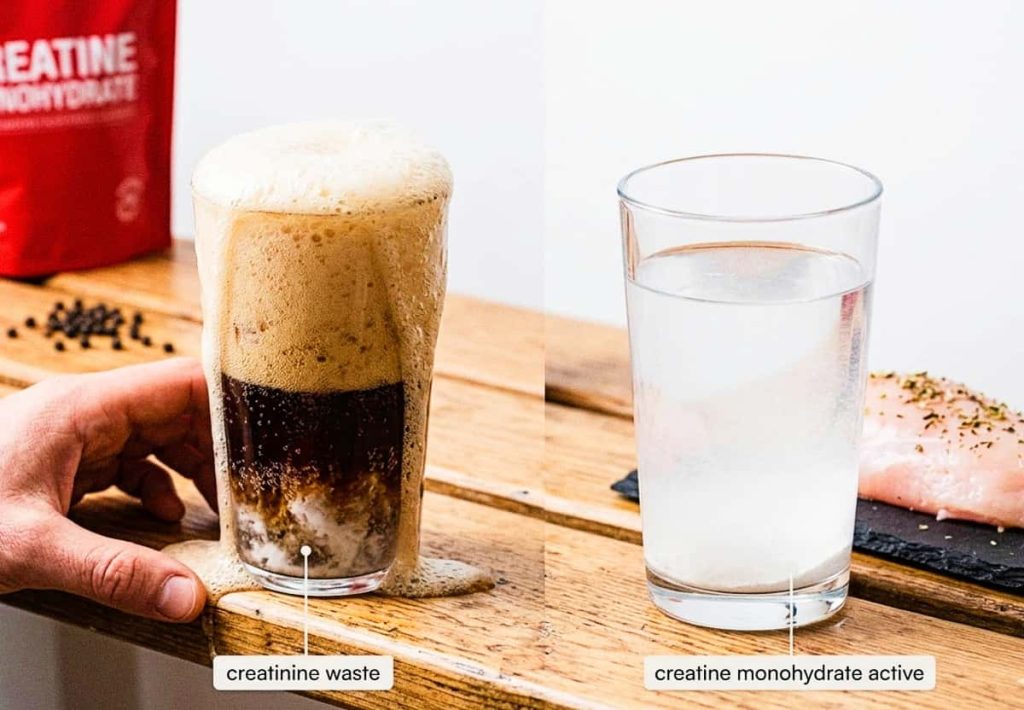
The Chemistry of “Waste”: Acidity and Stability
Creatine monohydrate is a stable compound in powder form, but once it hits a liquid, the clock starts ticking. Creatine is sensitive to pH levels.
Soda is highly acidic. When you mix creatine in Coke Zero, the acidic environment can accelerate the conversion of creatine into creatinine. This metabolic waste product offers zero performance benefits, and if you frequently mix creatine in Coke Zero, your kidneys must work harder to filter out this byproduct.
Why Acid Matters
Soda is highly acidic. When you mix creatine with a low-pH beverage like Coke Zero, the acidic environment can accelerate the conversion of creatine into creatinine. Creatinine is a metabolic waste product that offers zero performance benefits—your body simply filters it out through your kidneys.
Timing is Critical
If you do mix it with soda, you need to drink it immediately; letting it sit for even 30 minutes in an acidic environment can significantly reduce the amount of “active” creatine that actually reaches your muscles.
Looking closely at the molecular degradation of raw supplements highlights why beverage selection dictates the actual bioavailability of your daily dose. When you put creatine in coke zero, the low pH levels actively threaten the structural integrity of the monohydrate molecule, converting precious milligrams into useless metabolic waste before your digestive tract even has a chance to absorb it. Recognizing this chemical vulnerability prevents you from unwittingly wasting expensive supplements, proving that elite physical conditioning requires mindfulness in the kitchen as much as hard work in the gym.
The “Insulin Key” is Missing
As we discussed in our guide on Scrambled vs. Boiled Eggs for Muscle Growth, the body relies on specific triggers to move nutrients into the cells.
Optimizing Absorption
One of the best “transporters” for creatine is insulin. When you consume carbohydrates (like those in fruit juice or a post-workout meal), your body releases insulin, which acts like a key that unlocks your muscle cells to receive the creatine. Because Coke Zero is sugar-free, you lose this “insulin spike” advantage. Without that transport mechanism, the creatine has a harder time migrating from your gut to your muscle fibers. Furthermore, when you rely on mixing creatine in Coke Zero, you bypass the very nutritional strategy that maximizes uptake. For those prioritizing long-term hypertrophy, ignoring the insulin response while trying to optimize your creatine in Coke Zero protocol is a missed opportunity for faster recovery.
Nutrient delivery inside the human body relies heavily on hormonal signaling pathways that can either accelerate or stall your athletic progress. While deciding if you put creatine in coke zero, failing to harness an insulin response leaves valuable creatine lingering in the digestive tract instead of saturating muscle tissue. By substituting zero-calorie sodas with strategic carbohydrate pairings or whole-food options, you unlock a powerful biological synergy that supercharges cellular hydration and amplifies your overall strength gains.
The “Nucleation” Mess
On a practical level, mixing a fine powder into a carbonated drink creates a physical reaction called nucleation. The tiny particles of creatine provide thousands of surfaces for CO2 bubbles to form on instantly.
- The Result: Your Coke Zero will likely “erupt” or foam over the glass, leading to a sticky mess and a loss of half your supplement dose in the foam. Because of this chemical reaction, those who experiment with putting creatine in Coke Zero often find that the carbonation causes the drink to foam over, resulting in a loss of the supplement before they even finish the glass.
Practical kitchen friction often dictates whether a supplement protocol remains sustainable over months of consistent training. When testing whether you put creatine in coke zero, the violent physical reaction of nucleation turns a simple morning routine into a sticky countertop disaster, wasting precious powder in an uncontrollable volcanic foam. Choosing stable, non-carbonated mixing liquids eliminates this messy nuisance entirely, ensuring your exact dosage makes it safely into your cup rather than down the kitchen drain.
Digestion and the Caffeine Conflict
While both caffeine and creatine are top-tier performance boosters, some studies suggest that taking high doses of both simultaneously can cause gastrointestinal distress. Combining the carbonation and phosphoric acid of a soda with the osmotic effect of creatine (which draws water into the gut) is a recipe for bloating and stomach cramps for many athletes.
If you already suffer from sensitive digestion, mixing creatine in Coke Zero may aggravate your symptoms. The combination of carbonated gas and the osmotic pressure created by creatine monohydrate can lead to significant discomfort during your workout. For the best gym performance, it is smarter to separate your intake of creatine in Coke Zero from your pre-workout caffeine dose to ensure your gut remains settled and your focus stays on your training session.
Protecting gastrointestinal comfort is paramount when managing high-intensity training schedules and demanding nutritional regimens. Analyzing whether you put creatine in coke zero reveals that combining osmotic fluid shifts with carbonated phosphoric acid frequently triggers acute bloating and mid-workout stomach cramps. Separating your supplement timing from carbonated beverages preserves gut integrity, allowing you to train with absolute focus and zero digestive distraction.
The Better Way: Optimal Mixing Strategies
If you want the absolute best results from your supplement, data from BUBS Naturals suggests these three superior vehicles:
- Water (The Baseline): Simple, effective, and keeps you hydrated. Since creatine pulls water into your muscle cells, hydration is non-negotiable.
- Fruit Juice (The Transporter): Grape or apple juice provides the natural sugars needed to trigger the insulin response, shuttling the creatine into your muscles faster.
- Protein Shakes: Combining creatine with whey protein and a carbohydrate source (like a banana) creates the ultimate post-workout environment for recovery and growth.
- The Electrolyte-Enhanced Hydration Matrix: Blending your powder with a clean coconut water or a balanced mineral beverage provides crucial potassium and magnesium alongside rapid fluid absorption. This approach supercharges cellular transport without needing to put creatine in coke zero, ensuring optimal muscle volumization and peak contraction strength during heavy lifts.
- The Warm Herbal Tea Infusion: Stirring your daily dose into a warm, non-caffeinated herbal tea—such as rooibos or chamomile—facilitates complete powder dissolution while keeping acidity levels low and stomach comfort high. This soothing alternative bypasses the gastrointestinal distress often caused when you put creatine in coke zero, making evening supplementation a seamless and relaxing habit.
Pro-Tip: The Yogurt Hack
Consider stirring your creatine into Greek yogurt or a milk-based smoothie. The combination of protein, some natural sugar (lactose), and the absence of high acidity makes it a much friendlier environment for your supplement than a can of soda.
Adopting superior culinary vehicles for your daily supplementation transforms basic maintenance into an active catalyst for muscle growth. Rather than questioning if you put creatine in coke zero, shifting your focus toward nutrient-dense liquids or dairy matrices maximizes structural stability and accelerates cellular absorption. This intentional approach ensures every gram of monohydrate contributes directly to your strength profile and long-term athletic development.
The Verdict
The Verdict: Is It Worth It? While you technically can mix creatine in Coke Zero if it’s the only way you’ll remember to take it, consistency is key. However, if you want the most “bang for your buck,” skip the fizz. Stick to water, juice, or your post-workout shake to ensure every gram of that powder actually makes it to your muscles.
Reaching a definitive conclusion on daily supplement habits empowers you to cut through fitness marketing noise and focus on what truly drives physical transformation. While knowing whether you put creatine in coke zero provides baseline flexibility, prioritizing clean, uncompromised delivery methods yields superior body composition results. Consistency combined with optimal chemistry is the ultimate formula for sustainable, elite-level progression.
The Metabolic Trade-off: Convenience vs. Bioavailability
Assessing the Real-World Cost of Carbonated Mixing
Why “Good Enough” Isn’t Optimal for Hypertrophy
When you are deep into a cutting phase, the convenience of using a diet soda to mask the chalky taste of supplements is tempting. However, the decision to put creatine in coke zero involves a metabolic trade-off. While the calories are negligible, the compromise in creatine stability and potential gut irritation can hinder your training intensity over time. For athletes serious about performance, prioritizing a delivery system that respects the integrity of the molecule is a foundational aspect of success.
Strategic Supplementation Timing and pH Management
Why pH Levels Dictate Supplement Success
Mitigating the Risks of Acidic Beverage Interaction
Your digestive tract is a finely tuned environment that relies on balanced pH levels to absorb micronutrients efficiently. If you consistently put creatine in coke zero, you introduce an acidic element that potentially interferes with the gut’s ability to maximize the uptake of ergogenic aids. By focusing on neutral or slightly alkaline mixing vehicles during your pre-workout window, you ensure that your creatine is available for your muscles when they need it most, rather than being prematurely converted into creatinine.
The Long-Term Impact on Digestive Resilience
Beyond the Immediate Workout Window
Understanding Osmotic Pressure and Carbonation
Long-term training sustainability requires a gut that can handle high-intensity demands without constant bloating or distress. Frequently deciding to put creatine in coke zero creates a dual-stress scenario for your digestive system: the osmotic pull of the supplement coupled with the abrasive gas of carbonation. By shifting toward smoother, non-carbonated mixing protocols, you foster a healthier gut environment that supports consistent, high-effort training sessions week after week, ultimately protecting your long-term progress.
FAQ
Will the caffeine in Coke Zero cancel out the creatine?
No, it won’t “cancel it out,” but some research suggests that the two can have opposing effects on muscle relaxation time. For most people, it’s more about avoiding stomach upset than losing the muscle-building effect.
Does warm water dissolve creatine better?
Yes. Warm (not boiling) water helps the powder dissolve fully, which can actually make it easier on your stomach and improve absorption speed.
How long does creatine stay stable if I accidentally mix it in advance?
Creatine monohydrate begins to degrade into useless creatinine relatively quickly once exposed to liquid, especially in low-pH environments. If you put creatine in coke zero or any other acidic beverage, you should consume it immediately; letting it sit for more than a few hours results in a significant loss of active supplement potency. (For supplementary meal planning around active schedules, see our guide on [Best High-Protein Fast Food: 5 Dietitian-Approved Menu Hacks]).
Will carbonation reduce the total amount of creatine my muscles absorb?
While the physical fizz won’t inherently destroy the creatine molecule itself, the chaotic nucleation and foaming often cause you to lose a measurable portion of your dose down the side of the glass. When you put creatine in coke zero, that sudden bubbling overflow means less active powder actually makes it into your digestive system.
Can I mix it in my coffee?
Yes, as long as the coffee isn’t scalding hot (which can degrade the creatine). Just be sure to drink plenty of water afterward to compensate for the caffeine’s mild diuretic effect.
Clearing up persistent preparation myths ensures your kitchen habits support your long-term fitness goals without unnecessary confusion. Addressing nuanced queries regarding whether you put creatine in coke zero or alternative mixing agents allows you to tailor your supplement schedule precisely to your unique metabolic needs and daily routine.
Scientific Review: Research & Metabolic Specialist: Dedicated to uncovering the cellular impact of dietary patterns, Emma leads our Scientific Review Process. With a background in Nutritional Biology, she ensures every insight is grounded in evidence while addressing the inherent complexities and debates within the scientific community.
Medical Disclaimer: This content is for educational purposes only and is not medical, nutritional, or professional fitness advice. Individual health and metabolic needs vary. Always consult with a qualified healthcare provider before making significant dietary or exercise changes. The author and publisher assume no responsibility for any outcomes resulting from the use of this information.
