Scrambled vs boiled eggs represents a fundamental debate for anyone focused on muscle recovery and hypertrophy. In the world of fitness and bodybuilding, eggs are often called “nature’s multivitamin.” They are a complete protein source, containing all nine essential amino acids necessary for muscle repair. But when your goal is hypertrophy, does the way you prepare them—scrambled or boiled—actually make a difference? While the core nutrients remain similar, the way you cook your eggs can influence digestibility, calorie density, and nutrient absorption, all of which are critical for an effective “bulking” or “cutting” phase.
Navigating your daily nutrition through the comprehensive comparison of scrambled vs boiled eggs ensures that your dietary approach directly aligns with your specific athletic targets, whether you are chasing massive gains or leaning out for a competition. Balancing protein quality with strategic caloric density optimizes both muscle tissue repair and overall metabolic performance. Furthermore, integrating these high-biological-value proteins with complementary micronutrient strategies—such as matching your intake with targeted guides like [How Much Protein Per Day? 5 Proven Science-Backed Steps for Optimal Health]—empowers you to eliminate nutritional gaps and build an unassailable foundation for long-term physical excellence and sustainable structural growth.
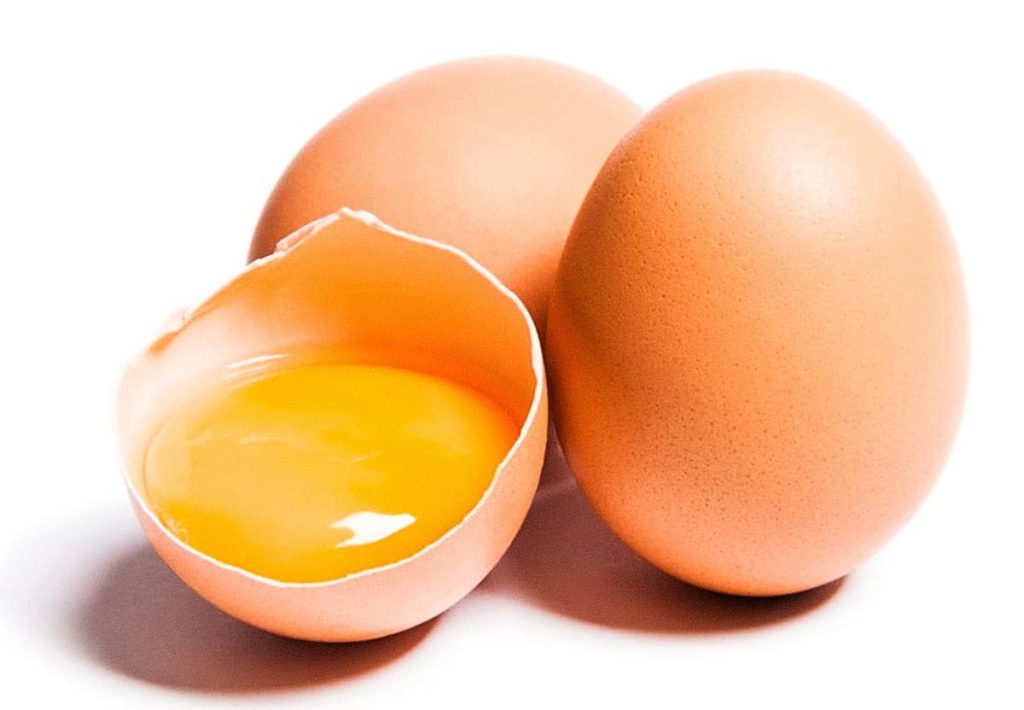
The Science of Digestibility: Why Cooked Wins
A common myth, famously popularized by Rocky Balboa, is that raw eggs are better for muscle. However, modern research tells a different story.
Nutrient Bioavailability
According to a 2024 study involving 45 resistance-trained men, boiled eggs lead to a higher concentration of muscle-stimulating amino acids in the blood compared to raw eggs. The heat from cooking denatures proteins that otherwise inhibit digestive enzymes. This means your body can “unlock” and use the protein for muscle repair much more efficiently when the egg is cooked.
Understanding how thermal processing unlocks essential amino acids highlights why proper culinary preparation is just as important as the food itself. Evaluating scrambled vs boiled eggs through this biochemical lens ensures you maximize nitrogen retention for superior recovery, preventing the common digestive inefficiencies associated with undercooked proteins. When heat gently alters the tertiary structure of ovalbumin and conalbumin, it exposes hidden peptide bonds to human proteolytic enzymes like pepsin and trypsin. This molecular transformation is what separates mediocre meal plans from elite fitness regimens, proving that science-backed kitchen techniques directly translate to superior athletic performance, faster recovery times, and accelerated hypertrophy over weeks of consistent training.
Scrambled vs. Boiled Eggs: The Muscle-Building Breakdown
1. Why the Scrambled vs Boiled Eggs Comparison Matters
Boiled eggs are the “cleanest” way to consume protein. Because they are cooked in their shell, they require no added fats.
- The Advantage: High bioavailability and zero added “junk” calories.
- Best For: Athletes in a “cutting” phase who need to hit protein targets without exceeding their daily fat or calorie limit.
- The Nuance: As we explored in our guide on Boiled vs. Fried Eggs for Hunger, boiled eggs are very satiating. This is great for staying full, but it can be a disadvantage if you struggle to eat enough total calories to grow.
- The Purity Factor in Deficit Phases: When tracking macros down to the gram, eliminating hidden cooking oils prevents accidental surplus creep. Evaluating the role of scrambled vs boiled eggs highlights why the shell-protected boiling method remains the gold standard for maintaining a strict, uncompromised caloric deficit during contest prep.
- The Satiety Control Mechanism: The high water-binding capacity and uniform density of hard-cooked albumen promote prolonged gastric distension. Leveraging this unique attribute within the scrambled vs boiled eggs comparison allows you to suppress hunger pangs effectively, making compliance during aggressive fat-loss phases much easier to sustain over weeks of dieting.
2. Scrambled Eggs: The Hypertrophy “Hack”
Scrambled eggs offer a softer texture and higher calorie density, especially when prepared with a bit of healthy fat or mixed with other ingredients.
- The Advantage: High versatility. You can easily mix in spinach, cheese, or lean meats to create a more calorie-dense meal.
- Best For: Athletes in a “bulking” phase. The softer texture makes it easier to consume larger quantities of eggs (e.g., 4–6 at once) without feeling prematurely full.
- The Culinary Flexibility Advantage: Scrambling opens up limitless formulation possibilities for athletes needing hyper-caloric intake. By integrating the concepts of scrambled vs boiled eggs into daily meal prep, you can easily fold in nutrient-dense superfoods without altering the fundamental ease of digestion required during heavy mass-building phases.
- The Satiety Modulation Factor: Because mechanical breakdown is partially assisted by added culinary fats and continuous whipping, scrambled variations bypass the intense gastric fullness triggered by dense whites. This unique behavioral trait of scrambled vs boiled eggs makes hitting surplus caloric targets significantly more manageable for hardgainers struggling with appetite fatigue.
Glycogen Replenishment Strategy
Scrambling allows you to pair eggs with easily digested carbohydrates like whole-grain toast or potatoes, which are essential for replenishing glycogen after an intense lifting session.
Tailoring your meal choice between scrambled vs boiled eggs based on whether you are building mass or leaning out provides a practical framework for continuous progress. This targeted flexibility prevents plateaus by matching your macro intake directly to your current training cycle. When you understand the thermodynamic and volumetric differences between these cooking styles, you gain the ability to manipulate gastric emptying rates and daily energy balance effortlessly. Whether you leverage the high satiety of a portable boiled snack to crush late-morning cravings or utilize the smooth, calorie-dense profile of scrambled options to hit high surplus targets without bloating, your nutritional execution becomes a predictable, science-driven science experiment tailored entirely to your physique goals.
Nutritional Comparison for Athletes
When deciding between scrambled vs boiled eggs for your fitness plan, a direct look at the nutritional profile reveals that while protein content remains stable, the calorie density varies based on the cooking fat used. Analyzing the scrambled vs boiled eggs data ensures you select the best option for your specific training goals.
| Feature | Boiled (1 Large) | Scrambled (1 Large) |
| Protein | ~6.3 g | ~6.1 g (slight loss to heat) |
| Calories | ~77 kcal | ~90–110 kcal (with oil/butter) |
| Absorption Speed | High | High |
| Ideal Timing | Post-Workout / Meal Prep | Breakfast / Post-Workout |
Technical Source: Data on nutrient retention and athlete recommendations verified by Stack Exchange / Fitness.
Scrutinizing the numerical breakdown of your daily macros empowers you to eliminate guesswork and fine-tune your energy balance down to the single calorie. Recognizing how preparation alters these metrics reinforces the strategic value of choosing between scrambled vs boiled eggs with absolute precision. While the micro-fluctuations in protein and fat may seem negligible on a single-plate basis, cumulative tracking over months of disciplined dieting reveals profound differences in body composition outcomes. By anchoring your meal prep in these hard metrics, you ensure that every calorie serves a distinct metabolic purpose, safeguarding your lean muscle mass while optimizing fat loss or hyper-caloric growth.
Maximizing Your Gains: Whole Eggs vs. Egg Whites
While some old-school bodybuilders avoid the yolk to save on fat, modern science suggests eating the whole egg is superior for muscle growth. Whether you prefer scrambled vs boiled eggs, the choice of cooking method shouldn’t distract you from the importance of consuming the whole egg, as the yolk is essential for muscle protein synthesis. The fats and micronutrients in the yolk (like Vitamin D and B12) help stimulate muscle protein synthesis more effectively than egg whites alone.
Micronutrient Synergy
Additionally, the Vitamin D found in yolks is a key catalyst for mineral absorption. If you’re following our guide on Foods with More Calcium Than Milk, you’ll find that the Vitamin D in your morning eggs is exactly what your body needs to shuttle that calcium into your bones and support strong muscle contractions.
Embracing the whole food matrix rather than isolating single components ensures your body receives the full spectrum of hormonal and structural support necessary for unhindered athletic development. This comprehensive approach to scrambled vs boiled eggs maximizes both performance in the gym and long-term skeletal health, shielding you from the nutrient deficiencies common in restrictive diets. The intricate synergy between natural cholesterol, choline, and fat-soluble vitamins found natively inside the yolk acts as a natural anabolic trigger, enhancing endogenous testosterone production and cellular membrane integrity. Rejecting outdated, fear-driven nutritional dogmas in favor of complete food utilization unlocks a higher tier of human vitality and structural resilience.
The Verdict
The Verdict: Which is Best? In the scrambled vs boiled eggs debate, the right choice depends on your current phase:
- Choose Boiled if you want portable, high-satiety protein that keeps your “cutting” diet on track.
- Choose Scrambled if you are trying to gain mass and need an easy-to-digest, calorie-rich meal that you can combine with other muscle-building foods.
- Choose Soft-Boiled or Poached if you are targeting rapid intra-workout recovery and need quick amino acid delivery without the bulk. Within the broader spectrum of scrambled vs boiled eggs, this preparation bridges the gap between clean digestibility and culinary satisfaction, making it an ideal middle-ground option for recomposition phases.
- Choose Hard-Boiled with Yolk Variations if you are focusing on hormonal optimization and stable endurance. Understanding the nuanced performance outcomes of scrambled vs boiled eggs allows you to strategically utilize the whole-food matrix to support sustained energy levels throughout demanding athletic cycles.
Directing your nutritional strategy with a clear, definitive verdict allows you to eliminate daily decision fatigue and execute your meal plan with absolute confidence. Mastering the distinct applications of scrambled vs boiled eggs transforms everyday kitchen routines into a powerful, automated tool for body composition control. When your food choices seamlessly mirror your current periodization phase—transitioning fluidly between fat loss and mass acquisition—you remove emotional friction from dieting. This clarity of purpose guarantees sustainable adherence, turning disciplined eating into an effortless lifestyle habit that yields compounding physical rewards year after year.
FAQ
Does scrambling eggs destroy the protein?
Not significantly. While high, prolonged heat can slightly reduce some vitamins, the protein content remains largely intact and becomes more digestible through the cooking process.
Can I microwave my eggs?
Yes, but never in the shell! Microwaving scrambled eggs is a fast post-workout hack, though it may result in a slightly tougher texture compared to slow-cooking on a stove.
Does the timing of eating eggs post-workout change muscle protein synthesis?
While total daily protein intake remains the primary driver of hypertrophy, consuming a high-quality protein source like eggs within a reasonable window after resistance training can help optimize immediate muscle tissue repair. Because different cooking preparations alter gastric emptying speeds, choosing between scrambled vs boiled eggs allows you to tailor how quickly those essential amino acids hit your bloodstream following an intense training session. (For supplementary meal planning around active schedules, see our guide on [Best High-Protein Fast Food: 5 Dietitian-Approved Menu Hacks]).
Are whole eggs better than liquid egg whites from a carton for building muscle?
Whole eggs provide a superior matrix of micronutrients, healthy fats, and hormonal precursors (such as cholesterol, which serves as a building block for testosterone) that are completely stripped away in processed liquid egg whites. When comparing scrambled vs boiled eggs, utilizing whole eggs in either preparation ensures you harness the full anabolic potential of the yolk, driving superior muscle protein synthesis compared to a plain white-only meal.
How many eggs should a bodybuilder eat?
General athlete guidelines suggest 1.2 to 2.0 grams of protein per kilogram of body weight. For most people, 2 to 4 eggs daily is a safe and effective way to contribute to that goal.
Answering common preparation questions clears away persistent myths and optimizes your kitchen efficiency for maximum fitness gains without sacrificing culinary satisfaction. Keeping these practical guidelines in mind while evaluating scrambled vs boiled eggs ensures sustainable, long-term dietary success that stands up to scientific scrutiny. By understanding the exact biochemical limits of your ingredients, you can experiment safely with different cooking speeds and appliances, knowing precisely how your final meal will impact your digestion, recovery velocity, and overall athletic progression.
Medical Disclaimer: This content is for educational purposes only and is not medical, nutritional, or professional fitness advice. Individual health and metabolic needs vary. Always consult with a qualified healthcare provider before making significant dietary or exercise changes. The author and publisher assume no responsibility for any outcomes resulting from the use of this information.
