Oatmeal is the ultimate breakfast chameleon, but there is a fine line between a bowl of “hospital gruel” and a creamy, chef-standard meal that powers you through your morning. To achieve a bowl that is both delicious and capable of keeping you full until noon, you need to master three things: Liquid Ratio, Cooking Technique, and Satiety Anchors.
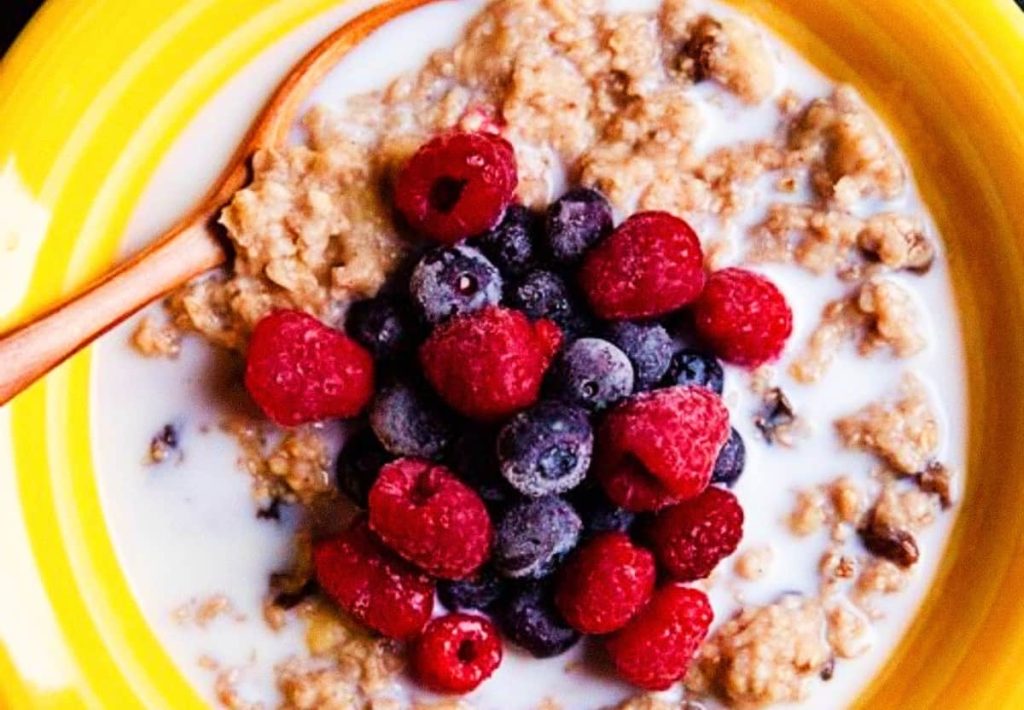
Choose Your Base: The Texture vs. Speed Trade-off
The “best” oat depends on your morning schedule, but for the perfect balance of creaminess and “bite,” Old Fashioned Rolled Oats are the gold standard. According to culinary expert Jeanine Donofrio, knowing your oats is the first step to success:
- Steel-Cut: Best texture, but takes 20-30 minutes.
- Rolled Oats: The sweet spot. 5 minutes for a “tender-chewy” result.
- Quick/Instant Oats: Fast (1-3 min), but can become mushy if not handled with care.
The Golden Ratio: For every 1/2 cup of oats, use 1 cup of liquid. This 2:1 ratio ensures the oats hydrate fully without becoming soupy.
The Liquid Strategy: The 50/50 Rule
Water is essential for softening the grain, but milk (dairy or plant-based) is essential for satiety. Use a 50/50 split. Water allows the oats to release their starches properly, while the proteins and fats in milk create a rich, creamy emulsion that keeps you full longer.
The “Fluffy Volume” Technique
To make oatmeal truly filling without adding massive calories, you want to increase its volume.
- The Mashed Banana Emulsion: Mash half a banana directly into the liquid before you start cooking. As it simmers, the banana melts into the oats, acting as a natural thickener and “fluffing” the texture into a pudding-like consistency.
- The Salt Secret: Never skip the salt. A tiny pinch doesn’t make it salty; it suppresses the bitterness of the oats and amplifies the nutty, toasted flavor.
Master the Stovetop (The 10/10 Method)
While the microwave is convenient, the stovetop offers the best texture control.
- Toast (Optional): For a professional touch, toast dry oats in the pan for 2 minutes until they smell nutty before adding liquid.
- Simmer & Stir: Bring your liquid, oats, and mashed banana to a boil, then immediately drop to low-medium. Stir frequently for 3-5 minutes. This constant movement coaxes out the beta-glucan (the soluble fiber that regulates blood sugar).
- The “Cover & Rest” Hack: This is the most underrated step. Once the oats are thick but still slightly wet, remove from heat, cover with a lid, and let it sit for 3 minutes. The steam will finish the cooking perfectly, leaving you with a “toothsome” chew rather than mush.
Anchoring the Meal: How to Stay Full Until Lunch
Oats are primarily carbohydrates. To prevent the mid-morning energy crash, you must “anchor” the meal with protein and fat. The quality of your ingredients and how they are processed plays a massive role in how your body responds to this energy.
Many people worry that modern breakfast staples are overly processed. To understand how to choose high-quality bases for your meals, see our analysis: Is Whey Protein an Ultra-Processed Food? Quality, Function, and Myths. The same logic of ingredient purity applies to your oats.
- Protein Boost: Stir in 2 tablespoons of protein powder or a dollop of Greek yogurt after cooking.
- Healthy Fats: Top with a tablespoon of almond or peanut butter. These fats slow down digestion, ensuring a steady release of energy.
- The Fiber “Bulk”: Adding a tablespoon of chia seeds or 1/4 cup of pumpkin puree increases volume and fiber significantly.
The Quick Morning Checklist
| Method | Cook Time | Pro Tip |
| Stovetop | 5-8 mins | Use the “Cover & Rest” method for the best texture. |
| Microwave | 3 mins | Cook in 30-second bursts to prevent an “oat-valanche.” |
| Overnight | 0 mins | Use a 1:1 ratio and add Greek yogurt for a protein punch. |
FAQ: Oatmeal Mastery
1. Can I use Quick Oats on the stove?
Yes. Just reduce the simmer time to 1-2 minutes. They will be softer and smoother than rolled oats.
2. How do I stop my oats from sticking to the pan?
Add your liquid to the pot before the heat is too high, and keep stirring once the mixture begins to thicken.
3. Is it better to cook oats with milk or water?
A mix of both is best. Water hydrates the grain’s core, while milk adds the creamy texture and protein needed for satiety.
