If you are curious about foods with more protein than an egg, you are in the right place. While eggs are a nutritional baseline, adding these high-density options to your diet can significantly improve your satiety and metabolic health. The egg is often called the “gold standard” of nutrition, and for good reason: one large egg delivers about 6.3g of high-quality protein. However, if your goal is to maximize satiety and keep energy levels stable without insulin spikes, you need sources that clear that bar. In nutritional science, we look for “Satiety Anchors”—foods that trigger fullness hormones (like GLP-1) and provide the amino acids necessary for Muscle Protein Synthesis (MPS).
The Protein Power-Ranking: Foods With More Protein Than an Egg
To prevent muscle loss and keep your metabolic fire burning, diversifying your protein sources is key. Here are the heavy hitters that outperform the egg in density:
Relying on a single protein source can lead to nutritional monotony and limit your intake of complementary micronutrients. When you deliberately expand your diet to include superior foods with more protein than an egg, you activate multiple satiety pathways simultaneously, ensuring your metabolism remains stable and your muscle tissues receive a continuous supply of vital amino acids.
Cottage Cheese: The Casein King
While an egg has 6g, just a half-cup of low-fat cottage cheese delivers 12.9g of protein. The secret weapon here is casein, a slow-digesting protein that releases amino acids gradually into your bloodstream, making it one of the best tools for long-term satiety.
Casein forms a gel-like substance in the stomach during digestion, which significantly extends gastric emptying time and prolongs the sensation of fullness. Incorporating this versatile dairy staple among your daily foods with more protein than an egg prevents late-night snacking and provides a steady nocturnal amino acid drip that protects lean muscle mass during extended periods of rest.
Seafood: Maximum Density
Tuna and dried fish are nearly unbeatable. According to Healthline, tuna can derive up to 89% of its calories purely from protein, offering roughly 25g in a small 3-ounce serving. Additionally, the selenium in these fish helps protect against mercury toxicity. If you are struggling to reach your satiety goals, incorporating foods with more protein than an egg like tuna or white fish into your lunch is a highly effective strategy. Their low-calorie, high-density profile makes them the ultimate choice for those focusing on weight management.
Beyond their exceptional macronutrient profile, marine proteins are packed with bioavailable omega-3 fatty acids that actively modulate cellular inflammation and support cognitive longevity. Leveraging these nutrient-dense foods with more protein than an egg allows you to maximize your daily protein intake while keeping your total caloric load remarkably low, making it an indispensable strategy for effortless body recomposition.
Legumes: The Fiber + Protein Synergy
For staying power throughout the day, the “Protein + Fiber” combo is the gold standard for dietitians. Lentils provide 17.9g of protein per cooked cup, black beans offer 15g, and edamame provides 18.4g per cup. While often overlooked, legumes are a cornerstone among foods with more protein than an egg. By combining these plant-based staples with lean animal proteins, you create a balanced nutritional profile that keeps your hunger suppressed for hours.
The dual action of plant-based protein and prebiotic soluble fiber creates a metabolic environment that heavily favors stable blood glucose and a flourishing gut microbiome. Integrating these fiber-rich foods with more protein than an egg into your regular meal rotation not only satisfies physical hunger but also feeds beneficial gut bacteria, leading to enhanced short-chain fatty acid production and improved overall metabolic health.
Lentils
One cooked cup offers a massive 17.9g of protein. Beyond their impressive protein content, lentils are packed with folate, iron, and complex carbohydrates that provide long-lasting mental and physical energy. Making lentils a regular part of your meal prep among your preferred foods with more protein than an egg ensures you receive a steady stream of sustained fuel without experiencing the abrupt blood sugar volatility tied to refined grains.
Black Beans
Provide 15g per cup and are concentrated sources of antioxidants. The deep pigmentation of black beans signals a rich concentration of anthocyanins, powerful plant compounds that combat oxidative stress and protect cardiovascular tissue. Pairing these antioxidant powerhouses with your daily foods with more protein than an egg delivers a dual benefit of cellular defense and prolonged digestive satisfaction.
Edamame
One of the rare plant sources that is a complete protein, supplying 18.4g per cup. Because young soybeans contain all nine essential amino acids in optimal proportions, edamame bridges the gap between plant-based eating and robust athletic recovery. Integrating this complete protein into your snack routine stands out as one of the most efficient foods with more protein than an egg for supporting lean tissue maintenance without relying exclusively on animal products.
Satiety Science and E-E-A-T
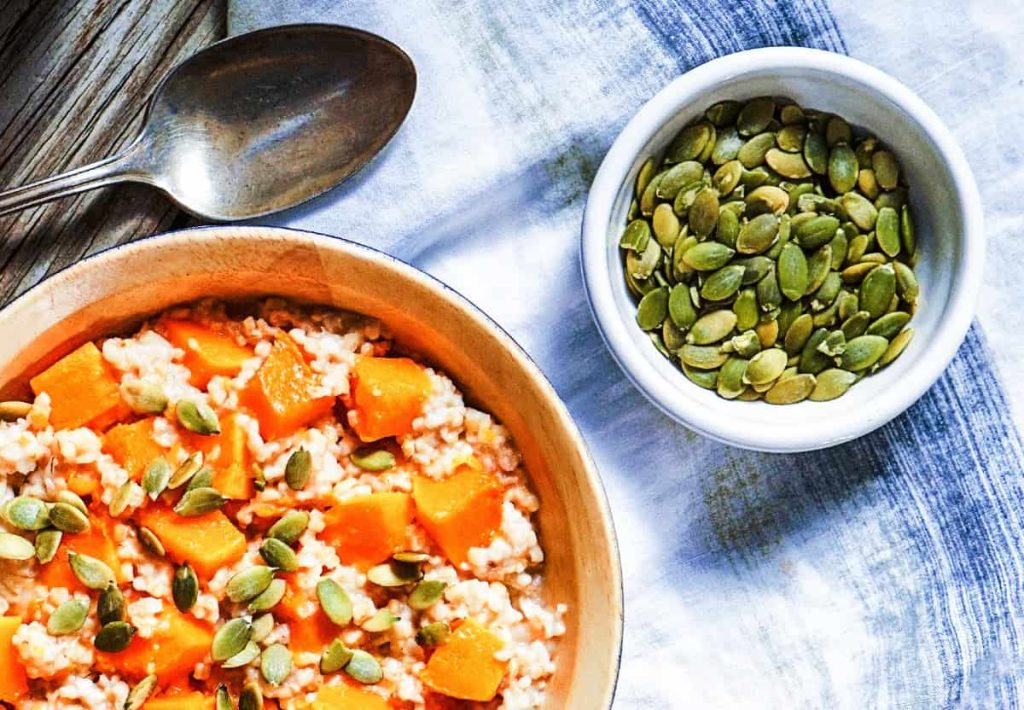
Registered Dietitians point out that protein isn’t just for muscles. Pumpkin seeds, for instance, beat an egg with 8.5g per ounce and are loaded with tryptophan. This amino acid is a precursor to serotonin, which regulates appetite and mood—helping you avoid “emotional hunger” late in the day.
If you are unsure how these numbers fit into your specific lifestyle, check out our breakdown of The Protein Equation: How Much You Really Need for Muscle Growth to calculate your targets based on weight and activity level.
Adopting a nutritional framework based on foods with more protein than an egg allows you to manage appetite signals more effectively, providing the sustained energy required for both physical performance and cognitive focus throughout your busiest days.
Professional Comparison: Protein per Serving
The items listed below are not just arbitrary choices; they represent the most scientifically validated foods with more protein than an egg that offer superior satiety benefits for health-conscious individuals.
| Food Source | Typical Serving | Protein (g) | Satiety Edge |
| Large Egg | 1 unit | 6.3g | Bioavailability baseline |
| Chicken Breast | 3 oz | 24g | High density, low calorie |
| Greek Yogurt | 5.3 oz | 15g – 17g | Probiotics + Gastric volume |
| Shrimp | 3 oz | 20g – 25g | Rich in Astaxanthin |
| Hemp Hearts | 3 tablespoons | 9.5g | Anti-inflammatory fats |
Expert Tips for Daily Implementation
The “Oatmeal Hack”
If you usually eat oats for breakfast, mix in a dollop of Greek yogurt or cottage cheese. You keep the fiber from the grain but add the “protein anchor” needed to prevent a mid-morning crash. (Check out our guide on Best creamy oatmeal recipe: 7 secrets for an easy & filling breakfast for more tips).
Portable Power: Beef or turkey jerky can offer up to 15g of protein per ounce, making it a superior on-the-go alternative to a hard-boiled egg since it requires no refrigeration. When meal prepping, try to have at least three foods with more protein than an egg readily available in your fridge. Having staples like cottage cheese or pre-cooked lentils ensures that you don’t default to processed snacks when hunger strikes.
Portable Power
Beef or turkey jerky can offer up to 15g of protein per ounce, making it a superior on-the-go alternative to a hard-boiled egg since it requires no refrigeration.
Modern lifestyles often make it challenging to maintain consistent nutritional habits while traveling or working away from home, making shelf-stable, nutrient-dense options an absolute necessity. Incorporating portable snack options among your favorite foods with more protein than an egg ensures you never have to compromise your macro targets when schedule conflicts arise, delivering a concentrated dose of amino acids that keeps your metabolism humming and your hunger locked down anywhere you go.
Optimizing Macronutrient Synergy for Enhanced Recovery
Achieving peak physical adaptation requires more than just meeting daily volume targets; it demands a sophisticated approach to how nutrients interact within cellular pathways.
The Role of Amino Acid Kinetics in Lean Tissue Retention
Understanding how rapidly different protein sources enter the bloodstream allows you to tailor your intake around specific recovery windows.
Every protein source has a distinct absorption rate, dictated by its molecular structure and the presence of co-factors like fiber or fats. Mastering these kinetic curves allows you to strategically time your intake of foods with more protein than an egg to match your body’s specific physiological demands, whether you require an immediate post-workout amino acid surge or a prolonged, steady supply of building blocks during periods of fasting.
Sustaining Anabolic Signaling Throughout the Day
By strategically combining fast-digesting marine sources with slow-release dairy options, you create an uninterrupted supply of circulating amino acids. This methodical approach ensures that your body consistently utilizes foods with more protein than an egg to sustain muscle protein synthesis and prevent catabolic breakdown during high-stress periods.
The Impact of Gastric Emptying on Appetite Regulation
When you consume dense nutritional sources, the physical time it takes for food to leave the stomach plays a major role in subjective hunger and behavioral compliance.
Slow-Release Proteins and Ghrelin Suppression
Incorporating structured foods with more protein than an egg that feature complex structures delays gastric emptying and actively suppresses the hunger hormone ghrelin. This physiological mechanism prevents erratic energy crashes and makes adhering to a balanced daily nutrition plan significantly more intuitive.
FAQ: The Satiety & Protein Debate
If you are curious about the mechanics behind the satiety debate, you are not alone. Many readers ask us how to balance these high-density choices with their daily habits. Understanding the role of foods with more protein than an egg is essential for anyone looking to optimize their body composition without resorting to restrictive dieting.
Is plant protein as effective as egg protein for fullness?
While eggs have a higher “biological value,” plant sources like lentils and chickpeas often win on satiety because of their fiber content. Specialists note that fiber slows down gastric emptying, keeping the “fullness” signals active for longer than an egg alone.
Can I eat too much protein in one sitting?
While your body can technically absorb more than 30g, many experts argue that for Muscle Protein Synthesis (MPS), the benefits plateau after about 35–40g per meal. It is generally more effective to distribute these “Protein Anchors” across the day.
Does removing the yolk help with satiety?
Egg whites are pure protein, which is great for volume. However, the yolk contains healthy fats and choline, which help regulate metabolism. If satiety is the goal, keeping at least one yolk or pairing whites with another healthy fat is usually recommended.
Why are “complete proteins” like Edamame emphasized?
A “complete” protein contains all nine essential amino acids. Choosing a complete source like tofu or edamame ensures your body has all the “building blocks” it needs immediately for repair and hormone production.
Are high-protein snacks like Jerky healthy for everyone?
Nuance is key. While jerky is a protein powerhouse, it is often high in sodium and nitrates. Experts suggest looking for “nitrate-free” versions or using it as an occasional “emergency” snack.
Why is the protein-to-calorie ratio important when choosing these foods?
Experts often prioritize the protein-to-calorie ratio to ensure you are getting the most “bang for your buck.” When you select foods with more protein than an egg, you are often choosing items that provide high satiety without excess caloric load. This is a critical nuance because it allows you to hit your daily protein targets without exceeding your total daily energy expenditure (TDEE), effectively supporting both muscle maintenance and fat loss.
The Bottom Line
While the egg is a fantastic ally, maintaining a metabolic state of repair and keeping hunger at bay requires a “Protein First” framework. By rotating between fatty fish, strained dairy, and fiber-rich legumes, you ensure a full spectrum of amino acids and vital minerals like zinc and magnesium. Ultimately, diversifying your intake with a variety of foods with more protein than an egg is the best way to maintain muscle mass and metabolic health. By prioritizing these nutrient-dense options, you set the foundation for a sustainable and energized lifestyle. To explore further ways to build a balanced diet and manage your nutritional goals, you can also review Fiber and Protein Balance: 3 Powerful Ways to Improve Satiety.
Medical Disclaimer: This content is for educational purposes only and does not constitute medical advice, diagnosis, or treatment. Always seek the advice of your physician or other qualified health provider with any questions you may have regarding a medical condition or specific nutritional requirements. Never disregard professional medical advice or delay in seeking it because of information you have read on this website.
