When building muscle or managing weight, protein isn’t just another number—it’s the fundamental building block of recovery. While plants offer valuable nutrients, animal meats are often preferred by athletes because they are “complete” proteins, containing all nine essential amino acids in a highly digestible form.
But if you are “protein-maxxing”—optimizing your intake to hit a specific daily goal—which animal actually delivers the most bang for your buck? According to clinical data and nutrition experts at Health, the answer depends heavily on the specific cut and how it is prepared.
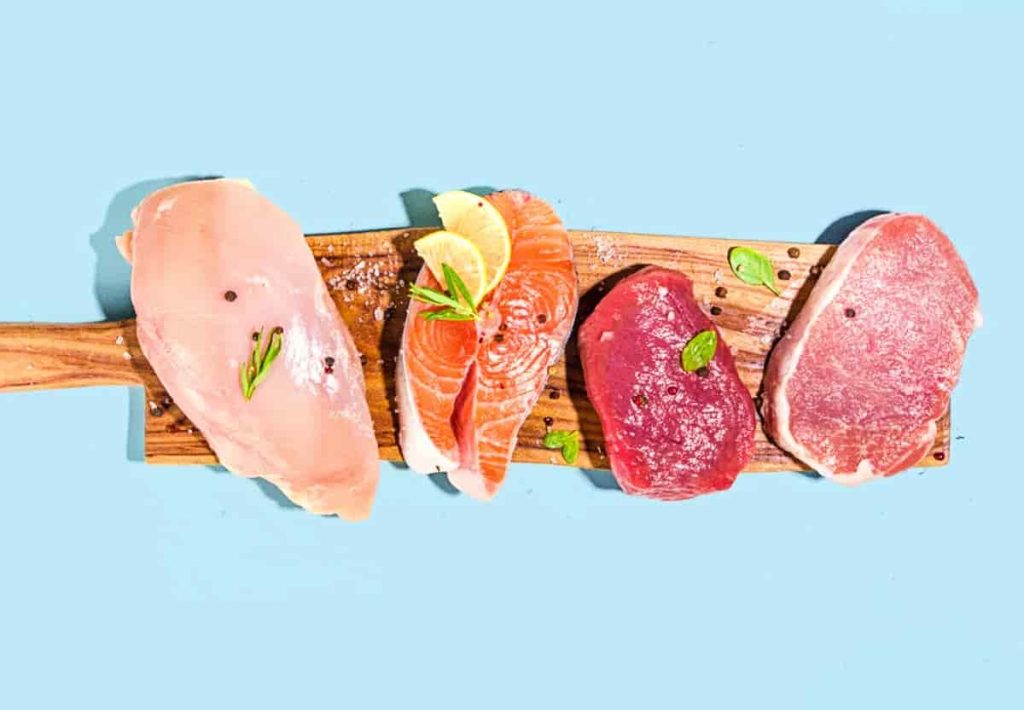
The Winner: Poultry Takes the Crown
In almost every clinical comparison, chicken breast (skinless and boneless) ranks as the most efficient protein source.
- The Stats: A 4 oz raw serving provides approximately 25.4g of protein.
- Why it Wins: It has a very low fat-to-protein ratio, making it the highest density option per calorie.
- The Challenger: Turkey breast is nearly identical, offering about 23.7g to 26g depending on the cook. It often has a slight edge in being leaner than chicken, with less cholesterol.
The Dark Horse: Pork Loin and Tenderloin
Many people overlook pork, but pork loin is a nutritional powerhouse that rivals chicken.
- The Stats: A 4 oz serving provides roughly 24.4g of protein.
- The Benefit: Pork is particularly rich in Thiamine (Vitamin B1) and Creatine, which are essential for energy metabolism and nervous system health. Choosing the “tenderloin” cut ensures you get the protein without the excessive saturated fats found in bacon or ribs.
Red Meat: Iron-Rich Density
Beef and game meats are the gold standard for those needing a boost in heme iron and Vitamin B12.
- The Stats: Top Sirloin trimmed of fat provides about 25g of protein per serving.
- Wild Alternatives: If you’re looking for the ultimate lean red meat, venison and bison are superior to traditional beef. Venison provides 25.5g of protein with almost zero fat, while bison offers anti-inflammatory omega-3 fatty acids that grain-fed beef lacks.
Seafood: The Brain-Protein Synergy
Fish might seem “lighter,” but its protein density is surprisingly high.
- The Stats: Sockeye Salmon provides 25.2g of protein, nearly matching chicken breast. Grilled Tuna is even higher, sometimes reaching up to 34g of protein per 100g when cooked.
- The Advantage: You aren’t just getting protein; you’re getting Vitamin D and Omega-3s, which support brain health and reduce inflammation after intense training sessions.
Protein Power Rankings (per 100g Grilled/Cooked)
| Meat Source | Protein Content | Key Benefit |
| Grilled Pork | 35.6g | High Creatine & B1 |
| Grilled Tuna | 34.7g | Omega-3s & Vitamin D |
| Grilled Chicken Breast | 32.0g | Lowest Calorie-to-Protein ratio |
| Grilled Beef (Lean) | 21.7g | Superior Heme Iron & B12 |
| Sautéed Shrimp | 17.1g | Low Fat, High Zinc |
Portions and Satiety
A simple “rule of thumb” from the Johns Hopkins Center for Bariatric Surgery is the Deck of Cards Rule: A portion of meat the size of a whole deck of cards is approximately 3 oz and provides about 21g of protein.
If you’re looking to vary your protein sources beyond the butcher shop, check out our guide on Foods With More Protein Than an Egg (For All-Day Satiety) to find high-density options in the dairy and legume aisles.
FAQ: Professional Protein Tips
Does “grass-fed” meat have more protein?
The protein content is generally the same. However, grass-fed meats (like bison or beef) tend to be leaner and have a better ratio of healthy fats (Omega-3s) compared to grain-fed versions.
Is it true that charred meat is unhealthy?
Grilling at very high temperatures can create compounds like HCAs and PAHs. To stay safe, dietitians recommend baking, roasting, or “benignly” processing meats, or simply avoiding the heavily charred bits.
What is the best meat for weight loss?
Venison, turkey breast, and white fish (like tilapia or cod) are the best for weight loss because they offer the most protein for the fewest calories.
Does cooking meat change the protein amount?
The density increases. Because meat loses water during cooking, 100g of cooked meat will have more protein than 100g of raw meat. This is why a 4 oz raw burger yields about a 3 oz cooked patty.
