The egg is often called the “gold standard” of nutrition, and for good reason: one large egg delivers about 6.3g of high-quality protein. However, if your goal is to maximize satiety and keep energy levels stable without insulin spikes, you need sources that clear that bar.
In nutritional science, we look for “Satiety Anchors”—foods that trigger fullness hormones (like GLP-1) and provide the amino acids necessary for Muscle Protein Synthesis (MPS).
The Protein Power-Ranking: Beyond the 6-Gram Mark
To prevent muscle loss and keep your metabolic fire burning, diversifying your protein sources is key. Here are the heavy hitters that outperform the egg in density:
1. Cottage Cheese: The Casein King
While an egg has 6g, just a half-cup of low-fat cottage cheese delivers 12.9g of protein. The secret weapon here is casein, a slow-digesting protein that releases amino acids gradually into your bloodstream, making it one of the best tools for long-term satiety.
2. Seafood: Maximum Density
Tuna and dried fish are nearly unbeatable. According to Healthline, tuna can derive up to 89% of its calories purely from protein, offering roughly 25g in a small 3-ounce serving. Additionally, the selenium in these fish helps protect against mercury toxicity.
3. Legumes: The Fiber + Protein Synergy
For staying power throughout the day, the “Protein + Fiber” combo is the gold standard for dietitians.
- Lentils: One cooked cup offers a massive 17.9g of protein.
- Black Beans: Provide 15g per cup and are concentrated sources of antioxidants.
- Edamame: One of the rare plant sources that is a complete protein, supplying 18.4g per cup.
Satiety Science and E-E-A-T
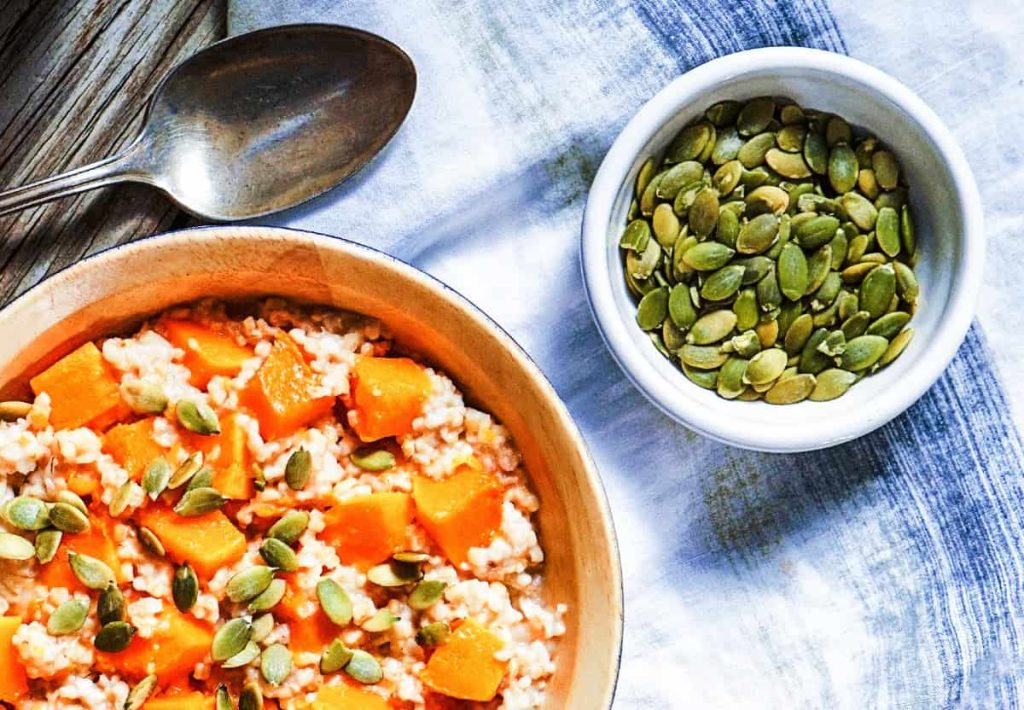
Registered Dietitians point out that protein isn’t just for muscles. Pumpkin seeds, for instance, beat an egg with 8.5g per ounce and are loaded with tryptophan. This amino acid is a precursor to serotonin, which regulates appetite and mood—helping you avoid “emotional hunger” late in the day.
If you are unsure how these numbers fit into your specific lifestyle, check out our breakdown of The Protein Equation: How Much You Really Need for Muscle Growth to calculate your targets based on weight and activity level.
Professional Comparison: Protein per Serving
| Food Source | Typical Serving | Protein (g) | Satiety Edge |
| Large Egg | 1 unit | 6.3g | Bioavailability baseline |
| Chicken Breast | 3 oz (deck of cards) | 24g | High density, low calorie |
| Greek Yogurt | 5.3 oz container | 15g – 17g | Probiotics + Gastric volume |
| Shrimp | 3 oz | 20g – 25g | Rich in Astaxanthin (Antioxidant) |
| Hemp Hearts | 3 tablespoons | 9.5g | Anti-inflammatory fats |
Expert Tips for Daily Implementation
- The “Oatmeal Hack”: If you usually eat oats for breakfast, mix in a dollop of Greek yogurt or cottage cheese. You keep the fiber from the grain but add the “protein anchor” needed to prevent a mid-morning crash. (Check out our guide on The Best Way to Make Oatmeal for more tips).
- Portable Power: Beef or turkey jerky can offer up to 15g of protein per ounce, making it a superior on-the-go alternative to a hard-boiled egg since it requires no refrigeration.
FAQ: The Satiety & Protein Debate
Is plant protein as effective as egg protein for fullness? While eggs have a higher “biological value” (how well your body uses the protein), plant sources like lentils and chickpeas often win on satiety because of their fiber content. Specialists note that fiber slows down gastric emptying, keeping the “fullness” signals active for longer than an egg alone.
Can I eat too much protein in one sitting? There is a common debate among nutritionists regarding the “30g limit.” While your body can technically absorb more than 30g, many experts argue that for Muscle Protein Synthesis (MPS), the benefits plateaus after about 35–40g per meal. It is generally more effective to distribute these “Protein Anchors” across the day.
Does removing the yolk (eating only egg whites) help with satiety? This is a point of contention. Egg whites are almost pure protein, which is great for volume. However, the yolk contains healthy fats and choline, which help regulate metabolism. If satiety is the goal, keeping at least one yolk or pairing whites with another healthy fat (like avocado) is usually recommended by dietitians.
Why are “complete proteins” like Edamame emphasized? A “complete” protein contains all nine essential amino acids. While you can get these by mixing different plant foods throughout the day, choosing a complete source like tofu or edamame ensures your body has all the “building blocks” it needs immediately for repair and hormone production.
Are high-protein snacks like Jerky healthy for everyone? Nuance is key here. While jerky is a protein powerhouse, it is often high in sodium and nitrates. Experts suggest looking for “nitrate-free” versions or using it as an occasional “emergency” snack rather than a daily staple, especially for those monitoring blood pressure.
The Bottom Line: While the egg is a fantastic ally, maintaining a metabolic state of repair and keeping hunger at bay requires a “Protein First” framework. By rotating between fatty fish, strained dairy, and fiber-rich legumes, you ensure a full spectrum of amino acids and vital minerals like zinc and magnesium.
