Pistachios may look like a simple snack, but nutritionally, they’re doing a lot more than adding crunch. Research consistently shows that pistachios deliver a rare combination of protein, fiber, healthy fats, and bioactive compounds. Unlike many snacks that spike blood sugar, these seeds interact with the body in a regulated way.
What Makes Pistachios Nutritionally Unique?
Although commonly called nuts, pistachios are technically seeds. This distinction matters for their nutritional profile.
The Macronutrient Breakdown
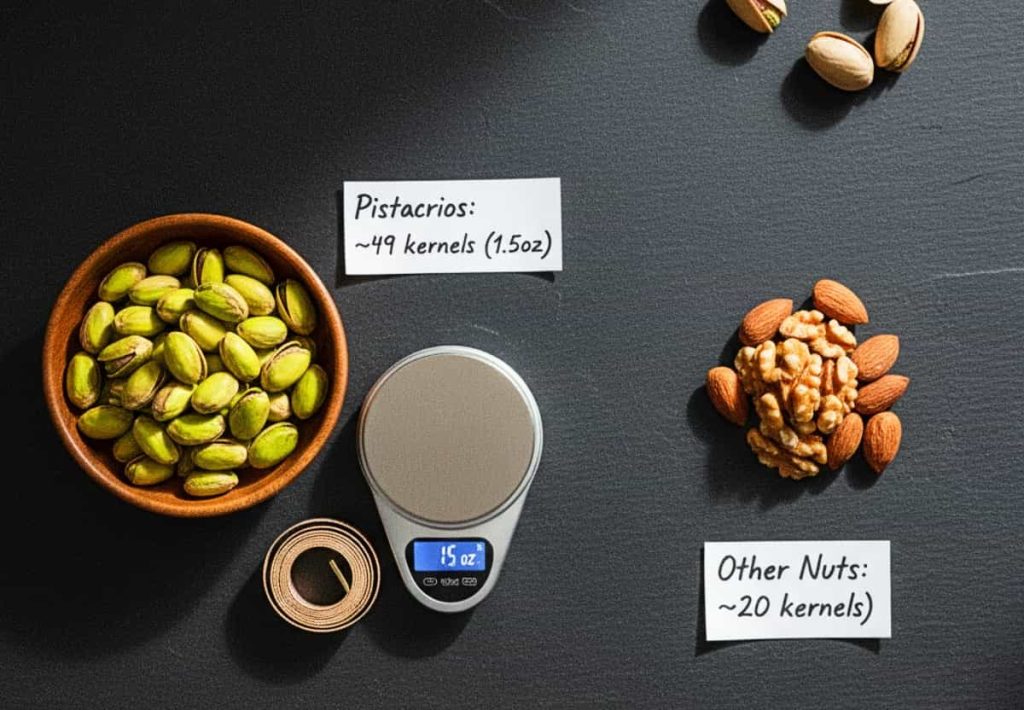
A standard 1-ounce serving (about 49 kernels) provides a balanced mix of energy-dense nutrients:
- Protein: ~6g per serving.
- Fiber: ~3g, aiding in satiety.
- Healthy Fats: High proportion of monounsaturated and polyunsaturated fats.
Blood Sugar Control and Insulin Sensitivity
Pistachios are considered a low-glycemic food, meaning they produce minimal spikes in blood sugar. Their fiber slows carbohydrate absorption, while the fat and protein content blunt post-meal glucose rises. Studies show that when pistachios are added to carbohydrate-heavy meals, they can significantly reduce the overall glycemic response. In fact, peer-reviewed research available through the National Institutes of Health (PMC) confirms that regular pistachio consumption can improve long-term insulin sensitivity and support healthier metabolic markers.
Cardiovascular Health and Cholesterol
Heart health is one of the most consistently studied benefits of pistachios. Their fat profile favors unsaturated fats, which are associated with improvements in LDL (“bad”) cholesterol.
Reducing Vascular Inflammation
Beyond fats, they contain phytosterols and polyphenols that help reduce oxidative stress.
The Role of Antioxidants in Blood Pressure
These bioactive compounds assist in maintaining vascular elasticity, which is a key factor in long-term blood pressure regulation and overall cardiovascular risk reduction.
Weight Management and Satiety
Despite being calorie-dense, pistachios are not associated with weight gain in long-term studies. Several factors explain this, including the “Pistachio Principle” of mindful eating and the fact that not all fat in the seeds is fully absorbed during digestion. Because they are a strategic replacement for refined snacks, they often help individuals maintain a healthy caloric balance. However, if you are concerned about the impact on your scale, we have analyzed the full data in our dedicated guide: Are Pistachios Fattening? The Truth About Calories and Weight Management.
The Specialist’s Nuance: The Behavioral Brake
The Nuance: Specialists often debate whether the benefits of pistachios come solely from their chemistry or also from their “packaging.”
The “Pistachio Principle”
Behavioral nutritionists highlight the physical act of shelling each seed as a cognitive brake, slowing down consumption.
Visual Cues and Satiety Signals
Leaving the empty shells on the table serves as a visual reminder of what you’ve eaten. Research suggests this visual feedback helps the brain register fullness sooner, leading to lower calorie intake compared to pre-shelled nuts.
Eye Health: The Lutein Advantage
Pistachios stand out among nuts for their content of lutein and zeaxanthin.
Protection Against Blue Light and Aging
These carotenoids help protect retinal cells from oxidative damage.
Reducing Macular Degeneration Risk
By acting as a “natural sunblock” for the eyes, these nutrients are associated with a significantly reduced risk of age-related macular degeneration, a benefit rare in the nut family.
FAQ – Health Benefits of Pistachios
1. Are pistachios good for you every day?
Yes, in moderation (about one handful), they support heart and metabolic health.
2. Do they cause bloating?
Usually not, but they contain fructans. If you have a sensitive gut, introduce them slowly.
Medical Disclaimer: The information on The NutriDeep is for educational and informational purposes only. While pistachios are highly nutritious, they are tree nuts and can cause severe allergic reactions. Always consult a healthcare professional or nutritionist before making significant changes to your diet, especially if you have pre-existing health conditions or food allergies.
