If you’ve been feeling unusually ‘wired but tired,’ the solution might be found in magnesium-rich foods. This specific mineral is involved in over 300 biochemical reactions, acting as the body’s ‘brake pedal’ to transition you from a high-stress fight-or-flight state into a restorative rest-and-digest mode.
According to experts at GQ, nearly half of all adults fail to hit the daily target of 400–420mg, leaving them more sensitive to stress and prone to fragmented sleep.
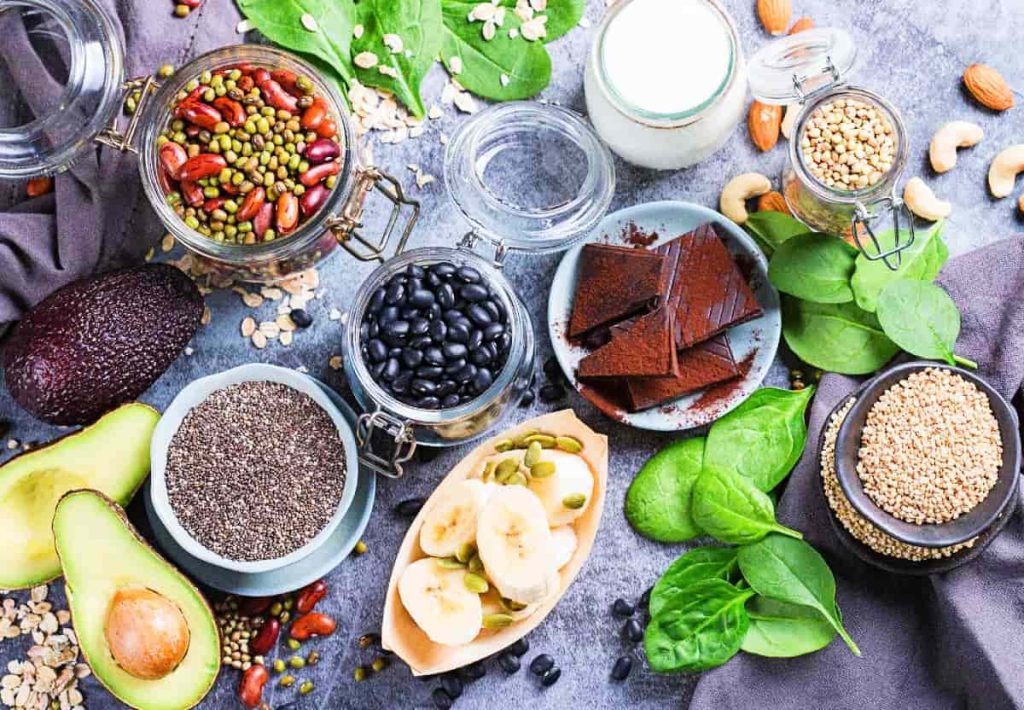
The Science of the “Chill Pill”
Magnesium doesn’t just “make you tired.” It works by supporting GABA, a neurotransmitter that quiets brain activity, and by converting the amino acid tryptophan into serotonin, which eventually becomes melatonin—your body’s primary sleep signal. Integrating magnesium-rich foods into your daily routine acts as a natural intervention. Unlike isolated supplements, these whole foods provide complex profiles that optimize how your brain processes neurotransmitters for relaxation. Here are the 7 powerhouse foods to help you reclaim your mood and your nights:
Understanding the precise biochemical pathways involved in mineral absorption highlights why whole-food matrices consistently outperform synthetic alternatives. When you consume natural magnesium-rich foods, your body benefits from a symphony of co-factors, trace minerals, and dietary fibers that work in harmony to transport the mineral across the intestinal barrier. This sophisticated biological delivery system prevents the gastrointestinal distress frequently caused by high-dose supplements while ensuring your nervous system receives a steady, bioavailable supply of the mineral required to suppress chronic cortisol production and maintain deep, restorative sleep architectures.
The Top 7 Magnesium-Rich Foods
1. Pumpkin Seeds (Pepitas): The Heavyweight
Pumpkin seeds are the undisputed champions of magnesium. Just one ounce (about a handful) delivers a staggering 156mg, or 37% of your Daily Value. They also contain tryptophan, making them a perfect pre-bedtime “satiety anchor” that primes your brain for sleep.
Incorporating seeds into your evening routine does more than just satisfy minor hunger pangs; it provides a concentrated dose of micronutrients that actively support cellular repair. Making these crunchy magnesium-rich foods a regular fixture in your pantry gives you an effortless way to shield your nervous system from daily oxidative stress while setting the stage for uninterrupted rest.
2. Hemp Seeds: The 50% Rule
If you want efficiency, look no further than hemp seeds. Three tablespoons provide 210mg of magnesium—covering exactly 50% of your daily needs in one go.
Neuro-Inflammation Defense
They are also rich in Omega-3 fatty acids, which reduce the neuro-inflammation that often causes “brain fog” and anxiety.
The combination of essential fatty acids and concentrated minerals found in hemp makes them uniquely potent for cognitive health. Consuming these nutrient-dense magnesium-rich foods helps protect brain cell membranes from inflammatory damage, supporting clearer mental focus throughout the day and a calmer, more balanced mood by evening.
3. Dark Chocolate: The Gut-Mood Connection
To get the benefits, stick to 70% cocoa or higher. Dark chocolate provides about 65mg of magnesium per ounce and contains prebiotic fibers. This is crucial because a healthy gut microbiome is where much of your serotonin is produced. Furthermore, the dietary fiber found in many magnesium-rich foods plays a vital role in gut-brain communication, ensuring that the minerals are absorbed more efficiently than when taken in pill form.
The Resistant Starch Bonus
Unripe bananas are another unexpected ally here. Their Resistant Starch helps lower inflammation and feeds the beneficial bacteria that keep your mood stable.
Indulging in high-cocoa treats is a scientifically backed way to support both your palate and your psychological well-being. By utilizing these delicious magnesium-rich foods as part of an intentional evening routine, you satisfy your sweet tooth while simultaneously feeding beneficial gut microbes that govern your body’s natural production of mood-stabilizing neurotransmitters.
4. Leafy Greens: The Spinach Factor
One cup of boiled spinach offers 157mg of magnesium. Greens are also packed with fiber, which stabilizes blood sugar. Stable blood sugar prevents those 3:00 AM “cortisol spikes” that wake you up in the middle of the night.
Dark leafy vegetables have long stood as the cornerstone of preventative health due to their incredible density of vitamins, antioxidants, and minerals. Regularly preparing these foundational magnesium-rich foods ensures your physiological systems maintain optimal electrolyte balance, preventing midnight wakefulness and fostering a deep, restorative state of physical relaxation.
5. Fatty Fish: Salmon & Mackerel
Fatty fish provides a unique synergy of magnesium and Vitamin D. Since magnesium is a co-factor required for Vitamin D absorption, eating salmon ensures your body can actually use the “sunshine vitamin” to protect against Seasonal Affective Disorder (SAD).
Marine proteins offer a specialized nutritional matrix that directly targets the biochemical roots of seasonal fatigue and mood fluctuations. Integrating these premium magnesium-rich foods into your weekly menu bridges the gap between bone health, immune defense, and neurological stability, offering multi-system benefits that go far beyond basic calorie counting.
6. Legumes: Black Beans & Lentils
A cup of cooked black beans delivers 120mg of magnesium. They also provide Vitamin B6, which works alongside magnesium to synthesize the neurotransmitters that keep you calm during high-pressure days. Regular consumption of these magnesium-rich foods is a simple way to hit your daily mineral targets while supporting digestive health.
Plant-based legumes offer incredible versatility for anyone looking to stabilize their energy levels without experiencing sudden reactive hypoglycemia. Including these fiber-packed magnesium-rich foods in your midday meals ensures your digestive tract stays regular while providing a sustained release of calming micronutrients to handle afternoon work pressure.
7. Tart Cherries
While lower in magnesium than seeds, tart cherries contain natural melatonin. Drinking tart cherry juice or eating the fruit as an evening snack creates a “double-hit” of relaxation when paired with magnesium-rich almonds.
Harnessing natural sources of sleep-inducing compounds provides a gentle, non-habit-forming alternative to commercial sleep aids. Pairing fruit extracts with reliable magnesium-rich foods creates an effective bedtime ritual that signals your circadian rhythm it is time to wind down, leading to quicker sleep onset and deeper REM cycles.
7-Day “Calm” Meal Strategy
Building a weekly rotation of magnesium-rich foods is the most effective way to ensure consistent mineral availability for your nervous system. By planning your grocery list around these nutrient-dense staples, you eliminate the guesswork and make sustained relaxation a natural part of your daily rhythm.
- Morning: Add hemp seeds or chia to your yogurt.
- Lunch: Lunch: A quinoa bowl with black beans and spinach. (To explore additional midday options that optimize recovery, you can also review our guide on Best Animal Protein Sources: 4 Options to Maximize Muscle Recovery).
- Dinner: Grilled salmon with a side of sautéed kale.
- Evening Snack: A small piece of 70% dark chocolate and a few pumpkin seeds.
Transforming dietary theory into practical daily execution is the ultimate secret to achieving lasting improvements in sleep quality and emotional resilience. Sticking to a structured blueprint centered around magnesium-rich foods removes daily decision fatigue and ensures your body continuously receives the raw materials it needs to thrive under pressure.
Maximizing Circadian Alignment Through Nutritional Timing
Achieving deep, restorative sleep requires synchronizing your internal biological clock with the systemic delivery of essential micronutrients throughout the diurnal cycle.
The Influence of Evening Micronutrients on Sleep Architecture
Targeting specific mineral intakes during the late afternoon hours creates an optimal physiological environment for the onset of slow-wave sleep.
The transition into restorative sleep stages relies heavily on the orchestrated downregulation of central nervous system activity. By strategically timing your consumption of magnesium-rich foods as the evening progresses, you help facilitate this neurological shift, allowing your body to progress smoothly through essential sleep cycles without experiencing micro-arousals or restless sleep patterns.
Amplifying Melatonin Synthesis via Dietary Co-Factors
By deliberately incorporating magnesium-rich foods into your final meal of the day, you provide the essential enzymatic co-factors required to convert serotonin into melatonin efficiently, ensuring a smoother transition from wakefulness to deep slumber.
Enzymatic efficiency inside the pineal gland depends entirely on the availability of specific minerals to catalyze the biochemical pathway from amino acid precursors to full hormonal release. Relying on whole magnesium-rich foods during dinner ensures that your endocrine system has the exact biological tools required to manufacture adequate melatonin naturally, bypassing the grogginess and dependency often associated with synthetic sleep aids.
Mitigating Nocturnal Cortisol Surges
Late-night blood sugar fluctuations frequently trigger unexpected cortisol spikes that disrupt sleep continuity.
When blood glucose drops too low in the middle of the night, the body perceives this metabolic stress as an emergency, prompting the adrenal glands to dump cortisol and adrenaline into the bloodstream to mobilize energy. Incorporating complex, slow-digesting magnesium-rich foods into your evening routine helps stabilize glycemic response and prevents these disruptive hormonal alarms from waking you up abruptly in the dark
Mineral Regulation of the Hypothalamic-Pituitary-Adrenal Axis
A steady infusion of calming minerals from magnesium-rich foods dampens overactive stress signaling in the brain, effectively keeping the hypothalamic-pituitary-adrenal axis quiescent and preventing midnight awakenings caused by physiological agitation.
Chronic hyper-reactivity of the hypothalamic-pituitary-adrenal axis keeps the nervous system locked in a state of high alert, making true relaxation nearly impossible. By regularly supplying your central nervous system with bioavailable magnesium-rich foods, you naturally buffer neurotransmitter receptors against excessive excitation, fostering a deeply relaxed neurochemical state that protects your sleep architecture from minor environmental and internal stressors.
FAQ: Addressing the Magnesium Debates
Can I just take a supplement instead? While supplements like Magnesium Glycinate are highly absorbable, food provides “nutrient synergy.” The fiber in greens helps the magnesium regulate your gut-brain axis, a benefit you won’t get from a pill alone.
Are there foods that block magnesium? Yes. Excessive caffeine and alcohol can deplete your magnesium stores. Furthermore, taking very high doses of zinc supplements can interfere with your body’s ability to absorb magnesium.
When is the best time to eat these foods? For sleep quality, aim to consume your highest magnesium meal at dinner. This allows the mineral to begin supporting GABA production and muscle relaxation about 2 hours before you hit the pillow.
Does cooking change the magnesium content? Boiling some vegetables can cause minerals to leach into the water. To preserve the most magnesium, try steaming your greens or consuming the cooking liquid in a soup or stew.
Is it possible to consume too much magnesium through food sources alone? Experts generally agree that getting magnesium exclusively from whole, nutrient-dense foods poses virtually no risk of toxicity. Your kidneys are exceptionally efficient at filtering out excess dietary magnesium. Toxicity is typically a concern only when using high-dose pharmaceutical supplements or laxatives without medical supervision.
How do I know if my magnesium intake is actually too low? Subtle signs of a borderline deficiency often include persistent muscle cramps, eyelid twitching, chronic fatigue, mild anxiety, and trouble staying asleep. Because standard blood tests only measure serum magnesium (while most of the mineral is stored in bones and soft tissues), cellular levels can be depleted even when routine labs appear normal.
Do different forms of magnesium-rich foods work better for specific symptoms? Yes, nutritional context matters. Foods rich in magnesium combined with tryptophan, like pumpkin seeds, are exceptional for evening relaxation and sleep onset. Meanwhile, dark leafy greens paired with potassium and folate are better suited for daytime muscle function and electrolyte balance.
The Bottom Line
Reaching your 420mg daily goal isn’t just about avoiding deficiency; it’s about optimizing your nervous system. By rotating through these 7 foods, you aren’t just eating—you’re signaling to your body that it is safe to relax. Ultimately, your journey to better sleep starts in the kitchen. By making a conscious effort to select magnesium-rich foods at every meal, you provide your nervous system with the essential fuel it needs to function at its best. To deepen your understanding of how daily micro-habits influence metabolic wellness and calm, you can check out our insights on Chrononutrition for weight loss: 2 simple habits to lower BMI.
True vitality and emotional balance are built upon the small, consistent choices you make at every single meal. Prioritizing a lifestyle centered around magnesium-rich foods is an investment in your long-term cognitive longevity, metabolic health, and nightly recovery, allowing you to wake up refreshed and ready for whatever challenges come your way.
Medical Disclaimer: This content is for educational purposes only and does not constitute medical advice, diagnosis, or treatment. Always seek the advice of your physician or other qualified health provider with any questions you may have regarding a medical condition, sleep disorders, or specific nutritional requirements. Never disregard professional medical advice or delay in seeking it because of information you have read on this website.
