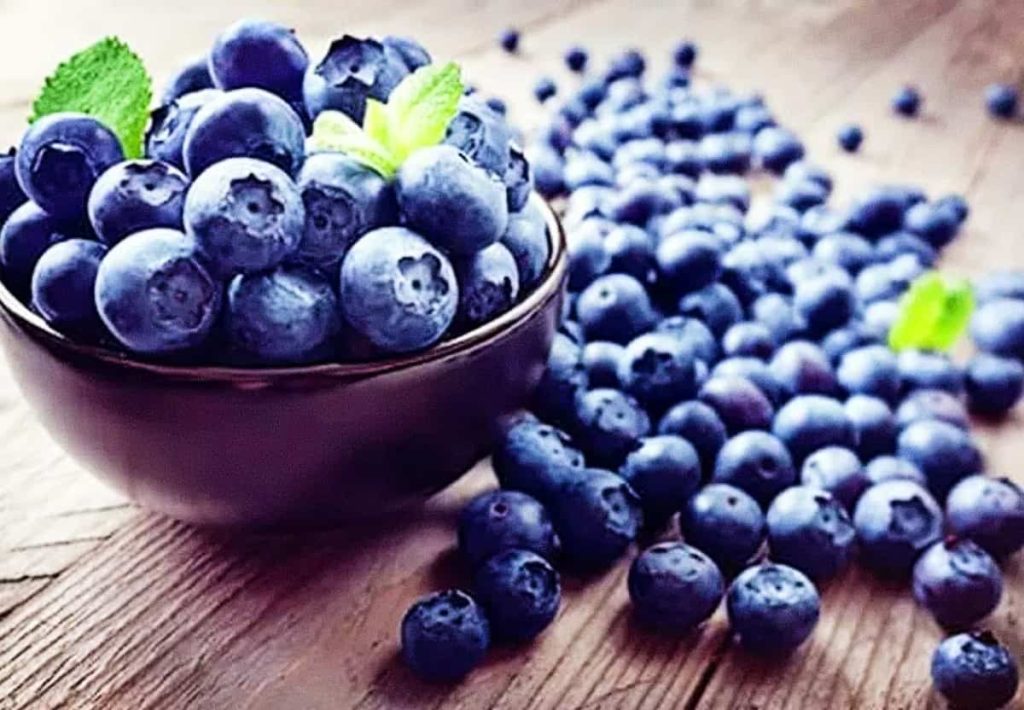
Blueberries are often called a “superfood,” but they don’t just “improve health” in a general sense. Their power lies in anthocyanins, a specific type of antioxidant that targets the cellular health of vital organs.
Based on clinical data from 2024 to 2026, here is exactly which organs benefit from a regular blueberry habit.
The Heart (Cardiovascular System)
The heart is the primary beneficiary of blueberry consumption. Anthocyanins help the endothelium (the inner lining of blood vessels) stay flexible.
- The Impact: This flexibility lowers blood pressure and prevents the oxidation of LDL cholesterol, which is the main trigger for arterial blockages.
- The Dosage: A study by Harvard Medical School found that 3 servings per week reduced heart attack risk by 34%.
The Brain (Central Nervous System)
The brain consumes a massive amount of oxygen, making it a target for oxidative stress.
- The Impact: These berries help protect the hippocampus, the organ’s memory center. Regular intake has been shown to improve memory recall and delay the onset of age-related cognitive decline.
The Liver and Pancreas (Metabolism)
- The Liver: Blueberries help reduce fat accumulation (steatosis) in the liver cells, acting as a defense against non-alcoholic fatty liver disease.
- The Pancreas: They improve insulin sensitivity, allowing the pancreas to regulate blood sugar levels without being overworked.
The Bladder and Gut
- The Bladder: Much like cranberries, blueberries contain compounds that stop E. coli bacteria from sticking to the bladder walls, preventing UTIs.
- The Gut: As a prebiotic, the parts of the berry that aren’t digested feed the “good” bacteria in your gut, strengthening your immune system.
The “Whole Food” Synergy
While supplements exist, the clinical benefits are strongest when eating the fruit itself. The combination of fiber and vitamins works in harmony with the antioxidants. However, even a superfood cannot fix a broken diet. As we discussed in our guide What is the #1 Worst Food for Vision Loss?, high sugar intake can cause vascular damage that even the strongest antioxidants struggle to repair.
For a complete breakdown of the proven health benefits, see the official Healthline Evidence-Based Guide.
Blueberries Health FAQ
Which organ benefits the most from blueberries? The heart and brain show the most significant results in clinical trials, specifically regarding blood vessel elasticity and memory preservation.
Are frozen blueberries as healthy as fresh ones? Yes. Freezing actually preserves the anthocyanins. While Vitamin C might drop slightly over several months, the main antioxidant power remains intact.
Can I mix blueberries with dairy (milk or yogurt)? For maximum benefit, eat them separately. Some research suggests that milk proteins can bind to antioxidants, potentially reducing their absorption in the blood.
Do blueberries help with weight loss? Yes. Since they are 85% water and high in fiber, they increase fullness while being very low in calories, helping to protect your metabolic health.
Can blueberries prevent Urinary Tract Infections (UTIs)? Yes. They contain anti-adhesive properties that prevent bacteria from clinging to the walls of the urinary tract, similar to the effects of cranberries.
