Weight loss on GLP-1 medications like Semaglutide (Wegovy/Ozempic) or Tirzepatide (Zepbound/Mounjaro) is the primary focus of this 90-day clinical reality check. The first three months are often described as a metabolic “reset.” While social media is flooded with overnight transformations, the clinical reality is more of a gradual, structured climb. Understanding this month-by-month breakdown is essential to know if the medication is working for your unique biology.
Disclaimer: This content is for informational purposes only and does not constitute professional medical advice, diagnosis, or treatment. Always seek the advice of your physician or other qualified health provider with any questions you may have regarding a medical condition, medication, or dietary changes.
By: Emma, Research & Metabolic Specialist Dedicated to uncovering the cellular impact of dietary patterns, Emma leads our Scientific Review Process. With a background in Nutritional Biology, she ensures every insight is grounded in evidence while addressing the inherent complexities and debates within the scientific community.
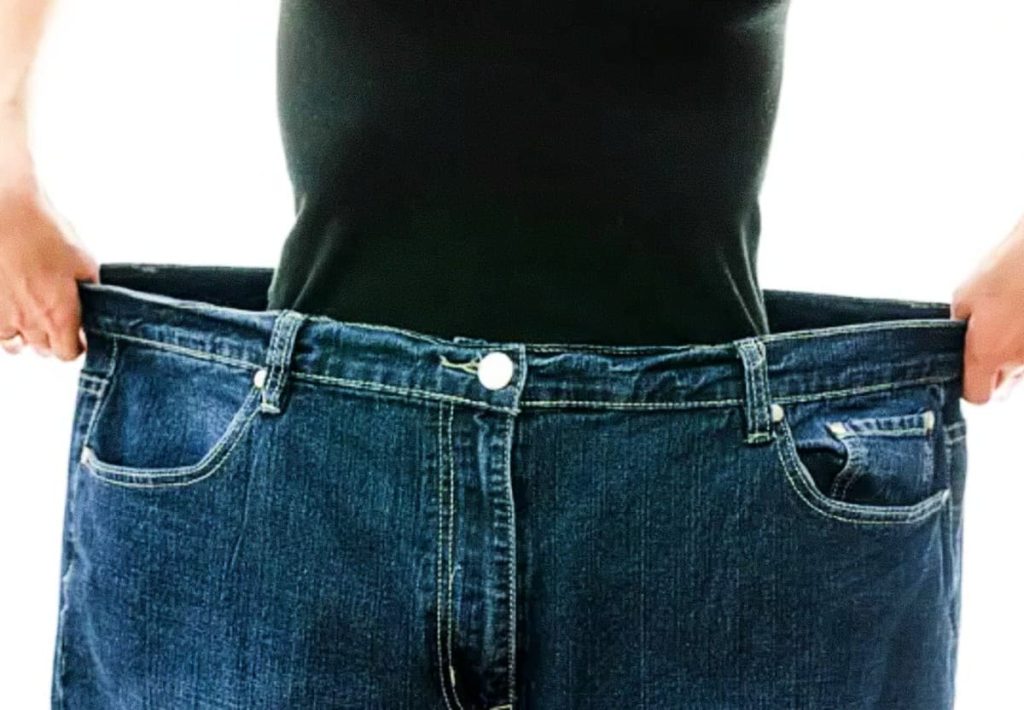
The Numbers: What Does Science Say About Weight Loss on GLP-1?
According to pooled clinical data from the STEP and SURMOUNT trials, the first 3 months are a period of rapid adaptation.
Key Metrics for Success
Tracking metrics is the most reliable way to gauge the effectiveness of weight loss on GLP-1 therapies. Clinicians generally consider the treatment successful if you achieve a reduction of at least 5% of your total body weight within the first three months of therapy.
- The 5% Rule: Clinicians consider the treatment successful if you lose at least 5% of your total body weight within the first 3 months.
- Average Weight Loss: Most patients lose between 10 and 25 pounds (4.5kg to 11kg) during this window.
- The Monthly Pace of weight loss on GLP-1: You can typically expect to lose 4–12 pounds per month, depending on your starting BMI and adherence to lifestyle changes.
For those looking to optimize these results through specific nutritional strategies, check out this resource: Anytime Fitness – GLP-1 Diet Plan.
The 90-Day Timeline: Month-by-Month
Weight loss with GLP-1s is rarely linear. It follows a specific biological curve:
Month 1: The Adjustment Phase (0–2% Loss)
During the first four weeks, your dose is typically at its lowest (e.g., 0.25mg for Semaglutide) to minimize side effects. Most of the weight lost here is a combination of water weight and reduced systemic inflammation. You will notice a “quieting” of food noise almost immediately.
Month 2: The Momentum Phase (5–10% Cumulative Loss)
By the second month, your body has adjusted to the hormone. This is where significant fat loss begins. You’ll notice your clothes fitting differently and a natural reduction in portion sizes. As your body acclimates to the medication, the weight loss on GLP-1 during this phase often becomes more visible, as the physiological reduction in fat mass begins to outpace initial water weight fluctuations.
Month 3: The Consolidation Phase
By day 90, the expected weight loss on GLP-1 reaches the “clinically meaningful” 5% milestone, and side effects like nausea usually fade, and your energy levels stabilize. This is the period where most people reach the “clinically meaningful” 5% weight loss milestone.
Why Some People Lose Less: The “Non-Responder” Paradox
It is important to note that not everyone hits the average. Research shows that people with Type 2 Diabetes often lose weight more slowly than those without it.
When to Consult Your Doctor
Understanding your unique metabolic response is vital, as individual rates of weight loss on GLP-1 can vary significantly based on underlying health conditions like insulin resistance. If you haven’t lost at least 5% of your weight by the end of month 3, you may be a “non-responder,” and your doctor might suggest switching to a different molecule or adjusting your dose.
Protecting Your Muscle: The “Protein Equation”
One of the biggest risks during the first 3 months is losing muscle mass instead of fat—a phenomenon sometimes called “Ozempic Body.” Because your appetite is suppressed, it is easy to under-eat protein, which leads to metabolic slowdown and sagging skin.
To prevent this, you must prioritize your macronutrients. For a detailed breakdown of how much protein you specifically need while on a GLP-1, read our technical guide: The Protein Equation: Decoding Individual Macronutrient Requirements.
Realistic Expectations vs. Hype
| Metric | Reality |
| First Week | Loss of 1–3 lbs (mostly water/inflammation) |
| First Month | Loss of 5–10 lbs; body is adjusting to dosage |
| Month 3 | Loss of 10–25 lbs; a “new normal” for appetite is set |
| Beyond 3 Months | Weight loss peaks at 12 months, averaging 15–22% total loss |
FAQ: Your First 3 Months
Is a plateau in weight loss on GLP-1 normal during month 2?
Yes. As your body loses weight, your metabolism attempts to compensate. This is usually when your provider will increase your dose to “titrate up” and keep the momentum going.
Can I stop the medication after 3 months if I reach my goal?
Stopping abruptly is linked to rapid weight regain. New 2024 studies suggest that gradually tapering the dose is far more effective for long-term maintenance than quitting “cold turkey.”
Will I lose more weight if I exercise?
While the medication works without exercise, resistance training is strongly recommended to ensure the weight you lose is fat, not vital muscle mass.
The Bottom Line
The first 3 months on a GLP-1 are about building a foundation. Focus on the 5% milestone, prioritize protein to protect your metabolism, and remember that consistency trumps rapid, unsustainable drops when managing weight loss on GLP-1. If you feel your progress has stalled, consult your healthcare provider to discuss dosage adjustments or lifestyle tweaks.
