Adding vinegar in rice is a secret technique that can transform your cooking, helping you achieve a perfectly fluffy texture every time. Cooking the perfect pot of rice is often considered the ‘final exam’ for home cooks, and while many blame the water ratio, the real secret used by professional chefs isn’t an expensive rice cooker—it’s vinegar in rice.
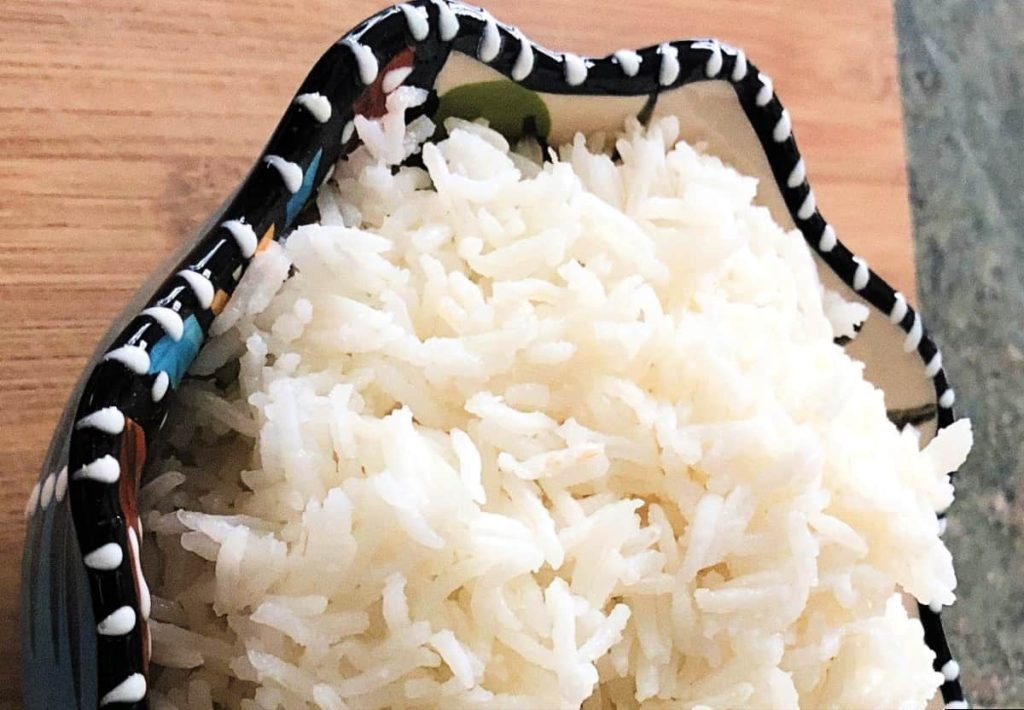
The Chemistry of “The Fluff”: Starch Management
The primary reason rice becomes gummy is the excess surface starch (amylopectin) that leaches out during cooking.
Breaking Down Starches
According to NYC Chef and restaurateur Abishek Sharma, adding vinegar is a game-changer for grain integrity. As he explained in a feature for The Takeout, the acidity helps break down surface starches, preventing grains from bonding together.
The “Firm but Tender” Texture
By consistently adding vinegar in rice, you create an acidic environment that inhibits the excessive release of surface starch, resulting in a cleaner and more distinct texture.
The Brightness Factor: A Natural Whitener
If you’ve noticed your rice looking dull or yellowish, it’s likely due to the minerals in your water.
Enzymatic Browning
According to household authority Heloise, vinegar prevents the enzymatic browning that can occur during the simmering process. The acid keeps the rice a vibrant, “creamy white,” similar to how it prevents boiled potatoes from discoloring. This is why many culinary experts suggest adding vinegar in rice as a simple, natural method to maintain a professional, visually appealing presentation for your dishes.
Beyond Flavor: Health and Preservation
Adding vinegar isn’t just about aesthetics; it offers functional benefits that extend the life of your meal.
Lowering the Glycemic Index (GI)
One of the most significant health benefits is that acetic acid can slow down the digestion of carbohydrates. This leads to a more gradual release of glucose into the bloodstream—a vital tip for blood sugar management.
Natural Preservation
Acetic acid is a natural antimicrobial. Adding it to the cooking water inhibits the growth of bacteria and mold, extending the freshness of your leftovers in the fridge for up to 4–6 days (per USDA guidelines).
Kitchen Synergy
Much like our guide on How to Properly Soak Beans to Reduce Antinutrients, managing the chemical environment of your cooking water is key to both better digestion and superior texture.
The “Rice Pro” Protocol: Ratios and Timing
To achieve “Rice Pro” status, follow this specific operational sequence derived from professional kitchen tests:
The Preparation Steps
- The Rinse (5-6 Times): Before the pot even hits the stove, rinse the rice until the water is nearly clear to remove surface starch.
- The “Plus-One” Ratio: For long-grain rice, many experts suggest the $C+1$ rule (e.g., 2 cups of rice + 3 cups of water) instead of the standard 2:1 ratio to prevent mushiness.
Execution and Resting
- The Boiling Point Addition: Add 1 teaspoon of rice vinegar per 1 cup of rice specifically when the water begins to boil.
- The 10-Minute Rest: Once the burner is off, let the rice sit covered for 10 minutes. This allows the moisture and acidity to redistribute evenly via steam. This final resting phase is crucial, as the residual heat continues to lock in the benefits of adding vinegar in rice, ensuring every serving is perfectly fluffy and light.
FAQ: The Science of Adding Vinegar in Rice
General Queries
- Will my rice taste like vinegar? No. At the recommended ratio of 1 tsp per cup of rice, the flavor is “neutralized” during the cooking process.
- Which vinegar is best?
- Rice Vinegar: Best for Asian dishes; subtle and sweet.
- White Vinegar: Best for a neutral, purely functional effect.
- Apple Cider Vinegar: Adds a very slight fruity undertone (great for pilafs).
Advanced Techniques
- Does this work for Brown Rice? Yes, but brown rice requires less rinsing (1-2 times) and a longer soaking time. The vinegar is even more helpful here as it helps soften the tough outer bran layer.
- Can I use this in an Instant Pot or Rice Cooker? Absolutely. The vinegar hack works across all cooking methods. Simply add the vinegar to the water before sealing the lid.
