When we prepare a bowl of strawberries, our instinct is to perform a “hulling”—the clinical removal of the green leafy top and the white core. We treat these parts as kitchen waste, yet botanical and nutritional science suggests we are discarding some of the most potent parts of the plant.
As noted by the experts at La Boite à Grains, strawberries have been used for medicinal purposes since the Middle Ages. Today, we are rediscovering that the “forgotten” parts—the green sepals (leaves) and the tiny seeds—are actually bioactive powerhouses.
The 81% Antioxidant Secret
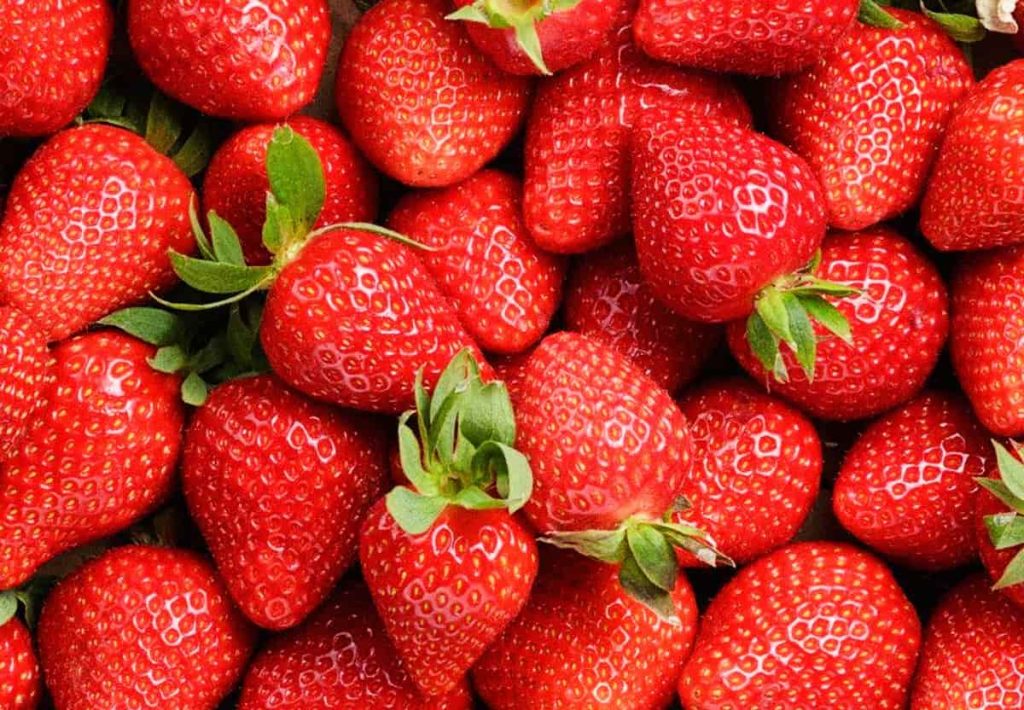
Most people eat strawberries for the sweet red flesh. However, groundbreaking research reveals that the achenes—those tiny, crunchy seeds on the surface—contain up to 81% of the fruit’s total antioxidant capacity.
While they represent less than 1% of the fruit’s weight, they are 10 times more concentrated in antioxidants than the flesh itself. These seeds are packed with ellagic acid, a polyphenol studied for its ability to support cellular detoxification, reduce systemic inflammation, and combat oxidative stress.
Don’t Toss the Crowns: The Power of Strawberry Leaf Tea
The green “crown” of the strawberry is edible and highly nutritious. The leaves contain:
- Vitamin C: Essential for immune support and collagen synthesis.
- Tannins: Known for aiding digestive health and reducing internal discomfort.
- Caffeic Acid: A compound that helps manage the body’s response to oxidative damage.
Instead of composting them, you can dry these green tops to create a delicate, earthy herbal tea that complements the fruit’s sweetness perfectly.
The Molecular Advantage of Acidity
Interestingly, the way you prepare your strawberries dictates how much of these nutrients your body actually absorbs. Science shows that a lower pH (a more acidic environment) stabilizes the anthocyanins—the pigments that give strawberries their color and health benefits.
Pro Tip: This is why culinary experts often use a splash of acid during preparation. It isn’t just for flavor; it’s chemistry. To learn how to use this to your advantage, see The Molecular Secret to Perfect Strawberries: Why Chefs Reach for the Vinegar Instead of Sugar.
How to Use the Whole Strawberry
In Smoothies (The No-Waste Method)
Stop hulling! If you have a high-powered blender, simply toss the entire strawberry—leaves and all—into your smoothie. The greens add a subtle “matcha-like” earthiness, and the blender breaks down the tough fiber of the achenes, making their antioxidants more bioavailable.
Strawberry Top “Sun Tea”
- Collect the green tops from a pint of strawberries.
- Place them in a glass jar with water and a slice of lemon.
- Let it sit in the sun for 2–4 hours or steep in boiling water for 10 minutes.
- The result is a refreshing, antioxidant-rich tonic.
Infused Vinegar for Salads
Submerge strawberry tops and a few bruised berries in white balsamic or apple cider vinegar. Let it sit for a week. The vinegar will extract the vitamins and polyphenols from the seeds and leaves, creating a gourmet, health-boosting dressing.
FAQ: Frequently Asked Questions
Q: Can I really eat the green leaves of the strawberry? A: Yes! They are entirely edible and safe. The flavor is neutral, slightly reminiscent of green tea or spinach. They provide fiber and specific antioxidants not found in the red flesh.
Q: Is strawberry leaf tea bitter? A: If the leaves are boiled for too long, the tannins can create a slight bitterness. The secret is a quick infusion (5 to 10 minutes). Adding a lemon slice can balance the flavor and increase nutrient absorption.
Q: Can strawberry seeds cause digestive issues? A: For most people, the achenes (seeds) are excellent sources of fiber. However, if you have specific conditions like diverticulitis, you should consult your doctor, as very small seeds can occasionally cause irritation.
Q: Does it have to be organic? A: Since you are consuming the exterior and the leaves—parts in direct contact with the environment—organic strawberries are highly recommended to avoid pesticide residues. If organic isn’t available, perform a rigorous wash with a baking soda solution.
Q: Does freezing strawberries with the leaves lose nutrients? A: On the contrary! Freezing immediately after harvest helps preserve Vitamin C and the antioxidants in the seeds. It’s an excellent way to keep “no-waste” smoothie ingredients ready to go.
A Critical Note on Safety
Because you are consuming the exterior of the fruit and the leaves, purity matters. Conventional strawberries often rank high on the “Dirty Dozen” list. To safely enjoy the health benefits, always prioritize organic strawberries and wash them thoroughly before consumption.
Disclaimer: This content is for educational purposes. If you are undergoing medical treatment or have specific allergies, always consult your healthcare provider before introducing new herbal infusions into your diet.
