Skip to content

Reheating spinach: 4 facts to determine if It is safe or a myth

To share

Safe spinach reheating is a topic that triggers many debates, but understanding the science is the key to safety. For years, many believed the myth that it turns poisonous, but modern science tells a different story. If you follow the correct protocol, it is perfectly safe to store and heat your greens again. When exploring the intersection of traditional culinary lore and contemporary food safety, recognizing the actual biological mechanisms at play helps dispel lingering household anxieties.
Adopting evidence-based protocols for safe spinach reheating ensures that you never have to unnecessarily discard nutritious meals, allowing you to enjoy your prepared vegetables with absolute confidence.

Safe spinach reheating: ensuring leftovers reach 70°C to neutralize bacterial risks.

The Chemistry of the Scare: Nitrates vs. Nitrites

The primary concern driving the need for safe spinach reheating lies in the nature of nitrates themselves. Nitrates are naturally occurring compounds found in soil and water, which plants absorb to grow. While the nitrate molecule is inherently stable, the enzyme-driven degradation that occurs when leaves are damaged or left at room temperature is what compromises food quality. Understanding this biological transition is the first step toward mastering safe spinach reheating at home. By controlling the environment in which these greens are stored, the risk of converting nitrates into nitrites is effectively eliminated, turning a misunderstood chemical process into a manageable kitchen task.

Mastering safe spinach reheating empowers home cooks to dismiss century-old kitchen fears by anchoring food preparation in empirical science rather than hearsay. Because modern agricultural and refrigeration standards drastically reduce potential contaminant build-up, maintaining proper temperature control ensures that every batch remains as nutritious as freshly harvested greens, perfectly aligning with principles discussed in our guide on frozen vs. fresh vegetables: the surprising science-based truth. Embracing routine protocols for safe spinach reheating transforms a historically misunderstood chore into a seamless, stress-free habit that optimizes daily meal planning.

The Conversion and Carcinogenic Link

When cooked spinach sits at room temperature, bacteria begin converting nitrates into nitrites. When these nitrites are reheated at high temperatures, they can combine with amino acids to form nitrosamines—compounds classified as potentially carcinogenic. However, understanding how to manage these risks is exactly what makes safe spinach reheating a viable practice for home cooks. By prioritizing rapid cooling and controlled temperatures, you minimize the risk of harmful chemical development.

Evaluating the biochemical pathways behind safe spinach reheating reveals that chemical risks are entirely contingent upon handling negligence rather than inherent food toxicity. When individuals prioritize rapid chilling phases and avoid excessive thermal stress during warming, they successfully prevent the conditions required for unwanted nitrosamine synthesis. Consequently, practicing safe spinach reheating guarantees that you can enjoy nutrient-dense leftovers completely free from health concerns.

The “Blue Baby” Risk

High nitrite levels can also interfere with hemoglobin’s ability to carry oxygen, a specific risk for infants known as “Blue Baby Syndrome.”

While historical medical literature highlights severe outcomes regarding infant methemoglobinemia, applying rigorous standards of safe spinach reheating renders these rare risks statistically negligible in modern households. Understanding that vulnerable populations require heightened caution simply underscores the importance of standardizing safe spinach reheating practices across all domestic and commercial kitchens. Through proper education and temperature governance, safe spinach reheating safeguards family health without sacrificing dietary variety.

The Hero Who Overturned the “Expert” Advice

One of the greatest wins for kitchen science occurred when a student successfully challenged the European Food Information Council (EUFIC). For years, the council officially advised against reheating spinach.

The Scientific Correction

After a rigorous scientific appeal, the EUFIC admitted their advice was outdated. They conceded that as long as spinach is cooled quickly and stored properly, the levels of nitrites formed are far below any toxicological threshold. In short: The dose makes the poison. This correction by the EUFIC highlights a broader trend: many common kitchen fears are rooted in outdated data rather than modern food science. We see a similar pattern when we analyze the infamous “Iron Myth,” which also relied on historical inaccuracies.

The institutional reversal regarding safe spinach reheating serves as a powerful reminder that nutritional guidelines must continuously evolve alongside empirical research. When regulatory bodies adjust their stances based on transparent chemical analysis, everyday consumers benefit from practical freedom in the kitchen. Upholding the principles of safe spinach reheating ensures you remain aligned with contemporary food science rather than antiquated administrative warnings.

Advanced Culinary Science of Safe Spinach Reheating

Optimizing Thermal Parameters for Leafy Greens

Minimizing Nutrient Loss During Safe Spinach Reheating

When applying heat to leftover vegetables, the structural breakdown of cellular walls can lead to micronutrient leaching if temperatures are kept too high for too long. Implementing precise temperature controls during safe spinach reheating ensures that heat-sensitive vitamins, such as Vitamin C and folate, remain securely bound within the plant matrix.

The “Popeye” Error: Iron vs. Reality

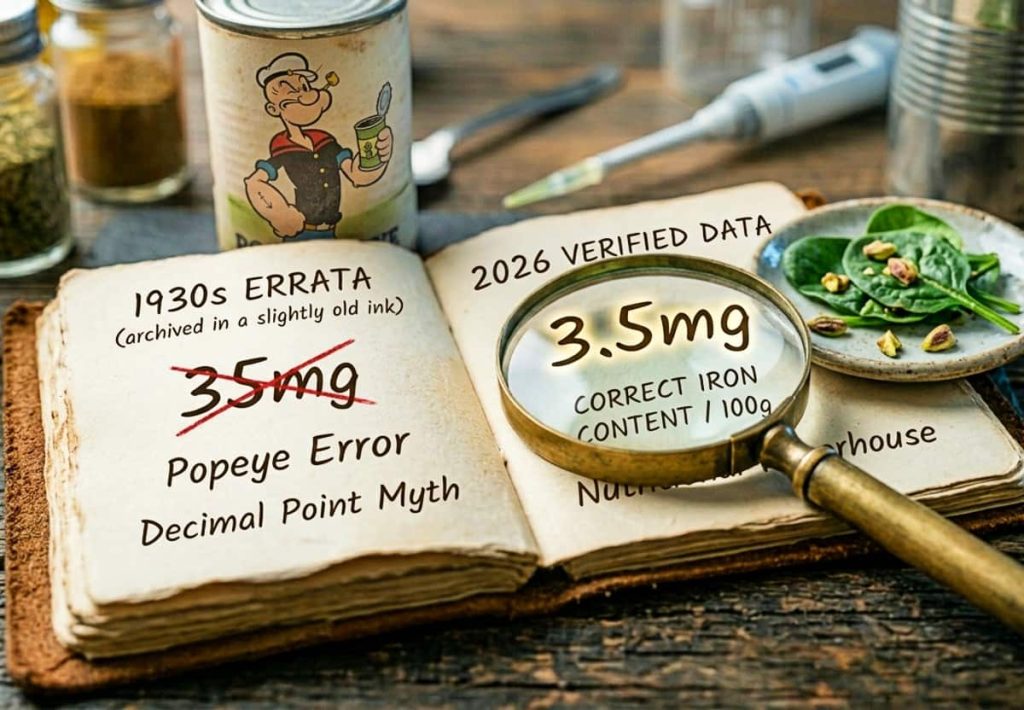
For generations, parents forced spinach on children believing it had 10x more iron than it actually does. A famous decimal point error in the 1930s suggested 35mg of iron per 100g, when the real number is 3.5mg. While still a nutritional powerhouse, this shows that much of what we “know” about spinach is based on decades-old misunderstandings. Just as we corrected the record on iron content, we are now correcting the narrative regarding safe spinach reheating.

By applying evidence-based logic rather than outdated myths, we can appreciate the true value of these greens. Implementing a protocol for safe spinach reheating allows you to reclaim spinach as a practical, healthy staple in your diet, free from the shadow of century-old calculation errors.

Correcting historical nutritional discrepancies, much like perfecting safe spinach reheating protocols, allows modern eaters to build diets grounded in accurate physiological data. Recognizing that a simple typographical error once inflated public perception should inspire greater confidence in rigorous, up-to-date food handling protocols. Embracing safe spinach reheating lets you appreciate leafy greens for their genuine vitamin and mineral contributions without leaning on fictional nutritional metrics.

The 2026 Safety Protocol: Guide to Safe Spinach Reheating

You don’t have to toss your leftovers. When it comes to safe spinach reheating, follow the “Cool Fast, Heat High” rule to ensure your meal is handled correctly. First, ensure your spinach is refrigerated within two hours of cooking; this is the most critical window to prevent bacterial growth. This foundational step is the cornerstone of safe spinach reheating, ensuring that the bacterial load remains negligible before you even consider warming the dish. Beyond the timing, the method of heat application is vital. Many home cooks overlook that aggressive, high-temperature shock can alter the molecular structure of cooked greens unnecessarily.

By focusing on safe spinach reheating—specifically using gentle, consistent heat—you preserve the integrity of the remaining nutrients while effectively neutralizing the potential for bacterial proliferation. This disciplined approach transforms a kitchen chore into a science-backed procedure, making safe spinach reheating a simple, stress-free habit. Just remember to heat the dish until it is steaming throughout, ensuring a uniform temperature that guarantees safety.

Operationalizing a strict routine for safe spinach reheating guarantees that convenience never compromises cellular health or food safety standards. By consistently adhering to the core tenets of rapid chilling and balanced thermal distribution, home cooks can eliminate micro-risks effortlessly. Prioritizing safe spinach reheating elevates everyday meal prep into a precise culinary science that protects both nutritional value and consumer well-being.

Best Practices for Storage and Reheating

  • The 2-Hour Window: Never let cooked spinach sit on the counter. Bacteria start the nitrate-to-nitrite conversion at room temperature, so move it to the fridge within two hours. If you are worried about the temperature of your leftovers, check our guide on Can You Put Hot Food in the Fridge? to see how to handle it safely.
  • The Fridge Hack: To stop bacterial growth instantly, ensure your fridge is at 5°C or lower.
  • Avoid “High Power” Nuking: Research shows that stir-frying or microwaving on “High” can accelerate nitrosamine formation. Use medium-low heat and stir frequently.
  • The 70°C Rule: Ensure your spinach reaches at least 158°F (70°C). This temperature is high enough to kill off the bacteria that drive the chemical conversion.

Implementing structured storage methodologies alongside proper safe spinach reheating techniques ensures absolute microbiological control over your weekly meal preparations. Each minor adjustment—from monitoring internal refrigerator temperatures to utilizing medium-low thermal settings—works in tandem to preserve delicate plant compounds. Mastering these best practices solidifies safe spinach reheating as an indispensable pillar of a health-conscious domestic kitchen.

Exploring Culinary Variations of Safe Spinach Reheating

Strategic Integration Into Weekly Meal Prep

Incorporating batch-cooked greens into a busy weekly schedule requires a deliberate approach to both food preservation and meal assembly. By mapping out your portions ahead of time, you can minimize unnecessary exposure to room temperatures and streamline your cooking workflow.

Successfully weaving batch-cooked vegetables into a structured meal preparation routine removes the daily guesswork from cooking. When you establish clear routines for safe spinach reheating, you ensure that high-nutrient ingredients are readily available throughout the week without compromising on safety or flavor, turning efficient kitchen management into a sustainable daily habit.

Maximizing Nutritional Retention Through Safe Spinach Reheating

Balancing convenience with dietary quality requires understanding how repeated thermal cycles impact delicate plant tissues. Incorporating disciplined protocols for safe spinach reheating allows you to seamlessly blend batch-cooked greens into diverse weekly menus without sacrificing flavor or health benefits.

Adapting your cooking schedule to include systematic methods for safe spinach reheating transforms leftover greens into a reliable, high-efficiency component of modern meal preparation. By treating each warming phase with precise temperature awareness, you successfully retain vital micronutrients while ensuring absolute safety across every serving, allowing you to optimize your weekly nutrition effortlessly.

The Verdict: Fact or Fiction?

Is it carcinogenic? Only if handled with extreme negligence (left out for days and then scorched at high heat). Is it safe? Absolutely, provided you follow a strict cold chain. For further technical guidance on safe handling and reheating, you can consult this guide on reheating spinach. Otherwise, enjoy your leftovers—just keep them cold and reheat them gently.

Dismissing sensationalized food myths in favor of empirical verification proves that safe spinach reheating is entirely viable for everyday culinary routines. When approached with appropriate respect for the cold chain and gentle thermal management, leftover greens offer maximum nutritional economy with zero biological risk. Fully embracing safe spinach reheating lets you enjoy wholesome, prepared vegetables with complete peace of mind, much like adopting a smarter approach to daily nutritional tracking found in how to choose high-quality chocolate: 7 tips for connoisseurs.

FAQ: Your Spinach Safety Check

  • How many times can I reheat spinach? Only once. Every time you heat and cool it, you invite more bacterial activity and nutrient decay.
  • Does organic spinach have fewer nitrates? Not necessarily. Nitrate levels depend more on the soil and light exposure during growth than the “organic” label.
  • Can I freeze cooked spinach to reheat later? Yes! Freezing is even more effective than refrigerating at stopping the chemical conversion of nitrates.
  • Does adding lemon juice or acid prevent nitrate conversion during safe spinach reheating? While acidic environments slow down certain bacterial processes, acid alone cannot replace a strict cold chain; proper refrigeration remains essential for safe spinach reheating.
  • Can I safely consume leftover cooked spinach raw in salads after storing it in the fridge? No. Once spinach has been cooked, it should always undergo safe spinach reheating to a uniform temperature of at least 70°C to eliminate any ambient microbial growth accumulated during storage.
  • How does microwave wattage affect safe spinach reheating? High-wattage microwaves can heat unevenly and create hot spots that accelerate chemical degradation; using medium power and stirring frequently ensures safe spinach reheating without altering the plant’s delicate structure.
  • Are canned or jarred cooked spinach products subject to the same safe spinach reheating rules? Commercial canned spinach is commercially sterilized, but once opened and exposed to oxygen, it must follow the exact same safe spinach reheating and 2-hour window storage rules as fresh home-cooked greens.! Freezing is even more effective than refrigerating at stopping the chemical conversion of nitrates.

Addressing common troubleshooting queries reinforces that successful safe spinach reheating relies on disciplined consistency rather than complicated kitchen equipment. By adhering to single-use warming cycles and utilizing freezing options for long-term storage, you maximize safety across every meal. Integrating these definitive answers into your cooking habits ensures safe spinach reheating remains a flawless part of your healthy lifestyle.

Medical Disclaimer: This content is for educational purposes only and does not constitute medical advice. Consult a healthcare professional before making any dietary changes. Reliance on this information is at your own risk.