Long before protein powders, expensive steaks, and trendy wellness diets became part of everyday conversation, entire civilizations survived on foods that were simple, filling, and remarkably nutritious. Among them, one category earned a nickname that still survives today: “poor man’s meat.”
The phrase may sound dismissive at first glance. Yet historically, it reflected something far more practical than insulting. In many parts of the world, families relied on legumes — especially lentils, beans, and chickpeas — because they delivered substantial protein at a fraction of the cost of animal meat. During difficult economic periods, these foods became nutritional lifelines.
Today, modern nutrition science is quietly validating what previous generations already understood instinctively. Furthermore, balancing your diet with nutrient-dense alternatives like 8 Foods High in Iron That Are Better Than Red Meat can help you maintain adequate iron levels without relying entirely on traditional animal sources.
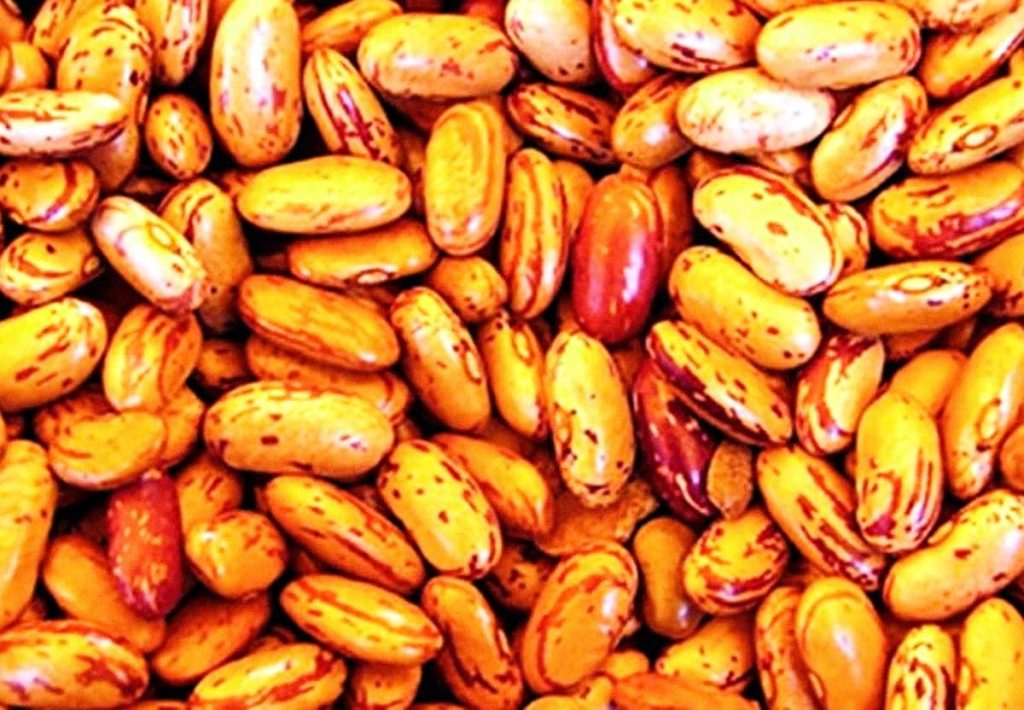
Why Legumes Became Known as “Poor Man’s Meat”
The nickname emerged from necessity rather than culinary judgment.
The Economic Driver
For centuries, meat was expensive, seasonal, or inaccessible for large portions of the population. Dried legumes, on the other hand, were affordable, easy to store, and capable of feeding entire families for days. A sack of lentils or beans could last for weeks without refrigeration, making them essential during periods of financial hardship or food scarcity.
In regions across the Middle East, South Asia, Latin America, and parts of Europe, lentils and beans became daily staples not because they were fashionable, but because they were reliable.
When examining how historical dietary patterns shaped overall health, understanding what is the poor man’s meat highlights why the unhealthiest red meat options were often avoided by working-class populations out of both financial necessity and long-term metabolic preservation.
The Nutritional Logic
Their nutritional profile also played a major role. Unlike many plant foods, legumes contain unusually high amounts of protein.
Protein and Synergy
Lentils, chickpeas, black beans, and peas typically provide between 20% and 25% protein by dry weight. When paired with grains such as rice, wheat, or corn, they form complete protein combinations containing all essential amino acids. That nutritional efficiency is one reason many cultures built entire cuisines around them.
Evaluating the amino acid profiles of these plant-based staples reveals why traditional dishes recognized as what is the poor man’s meat often rival animal alternatives in supporting sustained muscle recovery and nitrogen balance without added saturated fats.
Lentils: The Original Survival Protein
Among all legumes, lentils are perhaps the food most commonly associated with the term “poor man’s meat.” Archaeological evidence suggests lentils were consumed thousands of years ago in ancient Mesopotamia. Their popularity spread because they grew relatively easily, cooked faster than many other legumes, and offered dense nutrition in small portions.
Economy Meets Density
Even today, lentils remain one of the most economical protein sources available globally. A single cooked cup provides substantial fiber, iron, magnesium, and plant protein while containing very little fat. Their low glycemic impact also makes them attractive for people trying to stabilize blood sugar levels or improve satiety.
Many ultra-cheap processed foods deliver calories without meaningful nutrition. Lentils do the opposite.
That contrast becomes even more relevant in discussions about modern food quality and metabolic health, especially in What Is the Real Risk of Ultra-Processed Foods?. Incorporating fiber-rich legumes traditionally known as what is the poor man’s meat into weekly meal planning serves as a direct antidote to systemic inflammation often triggered by hyper-palatable industrial snacks.
The Hidden Reason Beans Keep Appearing in Longevity Research
Beans are no longer viewed simply as “budget food.” In recent years, population studies examining long-lived communities have repeatedly identified legumes as a common dietary pattern.
The Fiber Factor
Part of the explanation may involve fiber. Most modern diets are protein-heavy but fiber-poor. Legumes deliver both simultaneously. This combination supports satiety, digestive health, and more stable energy levels compared to heavily processed convenience foods.
Microbiome and Inflammation
There is also growing interest in how legumes interact with the gut microbiome. Fermentable fibers found in beans and lentils may help produce beneficial compounds linked to reduced inflammation and improved intestinal health.
Understanding Digestive Tolerance
Still, nutrition experts do not universally agree on every aspect of legume consumption. Some argue that certain people experience digestive discomfort due to naturally occurring compounds. However, proper soaking, cooking, sprouting, or fermentation significantly improves digestibility. That nuance matters because nutrition is rarely absolute. Clinical gastroenterology studies suggest that shifting toward the prebiotic-rich staples defining what is the poor man’s meat actively enhances microbial diversity and lowers systemic inflammatory markers over time.
The Great Depression and the Rise of “Poor Man’s Meals”
The phrase “poor man’s meat” also intersects with another historical concept: the “poor man’s meal.” During the Great Depression, many households built meals around potatoes, onions, beans, cabbage, and inexpensive processed meats like hot dogs.
From Survival to Sophistication
Interestingly, many of those meals survive today in altered forms. Simple bean stews evolved into gourmet soups. Rustic lentil dishes became restaurant staples. There is a deeper lesson hidden in that transformation: foods once associated with poverty are increasingly being rediscovered for their sustainability, nutrient density, and culinary versatility.
Foods once associated with poverty are increasingly being rediscovered for their sustainability, nutrient density, and culinary versatility. In some ways, modern food culture has come full circle.
That broader historical perspective is also explored in LENTILS “THE POOR MAN’S MEAT”. Analyzing how depression-era kitchens improvised without relying on expensive ingredients highlights why historical accounts of what is the poor man’s meat supply valuable insights for modern households battling inflation and rising grocery expenses.
Why Legumes Are Becoming Relevant Again
The renewed interest in legumes is not only about nutrition. Economic pressure, rising meat prices, and environmental concerns have pushed them back into mainstream conversations.
Sustainability and Soil Health
Legumes require fewer environmental resources than many animal protein systems. They also naturally enrich soil by fixing nitrogen, reducing dependence on synthetic fertilizers.
The Simplicity of Minimally Processed Foods
Modern consumers are becoming more skeptical of heavily processed meat alternatives. Traditional legumes offer a simpler alternative: they are minimally processed, widely accessible, and culturally familiar. Opting for sustainable, whole-food plant sources categorized under what is the poor man’s meat not only lowers individual carbon footprints but also protects cardiovascular function against industrial chemical additives. For those who still choose to include occasional animal protein, exploring expert guidance like 7 Healthiest Red Meat Cuts: A Nutritionist’s Definitive Ranking (Expert Guide) can provide valuable insights on making healthier selections.
The Global Evolution of Legume Consumption
Cultural Adaptations Across Continents
The way different societies embraced staple crops reflects a profound historical ingenuity in meeting daily caloric and protein requirements without relying on expensive livestock. As civilizations expanded, these foundational foods traveled across borders, transforming from emergency rations into revered culinary cornerstones.
Traditional Preparation Methods and Modern Adaptations
Throughout history, different cultures have developed unique culinary techniques to maximize the nutritional bioavailability of legumes. Understanding what is the poor man’s meat involves recognizing how ancient kitchens combined these staple crops with local spices and grains to enhance both flavor and protein absorption without modern processing aids.
When examining ancestral cooking traditions from the Mediterranean to Latin America, the deliberate pairing of seeds, legumes, and grains reveals a sophisticated empirical understanding of nutrition long before the advent of modern food science. These time-tested methods not only improved palatability but also neutralized anti-nutrients, ensuring that everyday families reaped the maximum biological benefit from the most affordable ingredients available in their local markets.
Economic Resilience in Developing Economies
Economic stability has historically depended on food systems that remain reliable during droughts, geopolitical shifts, and market inflation. Legumes have consistently provided households with an accessible financial cushion, proving that dietary security is deeply tied to agricultural simplicity.
Mitigating Food Insecurity Through Plant-Based Staples
In times of economic volatility, governments and community programs frequently promote nutrient-dense legumes as a primary buffer against malnutrition. Analyzing the economic impact reveals why what is the poor man’s meat continues to serve as an indispensable safety net for vulnerable populations worldwide.
Beyond simple calorie provision, these crops offer remarkable resistance to drought and poor soil conditions compared to delicate animal husbandry systems. Communities that embrace traditional plant-forward models are often better insulated against global supply chain disruptions, inflation, and agricultural shocks, proving that economic resilience is deeply rooted in accessible, shelf-stable food systems.
Nutritional Science and Metabolic Impact
Blood Sugar Regulation and Glycemic Index
Modern metabolic research increasingly highlights how the structural composition of whole plant foods influences endocrine health and long-term energy distribution. Shifting away from rapid-digesting carbohydrates toward complex legumes offers profound protective benefits against metabolic syndrome.
Slow-Release Carbohydrates vs. Refined Sugars
The low glycemic index of beans and lentils prevents rapid insulin spikes, making them an ideal dietary component for metabolic health. Incorporating what is the poor man’s meat into daily meal plans actively supports steady energy levels and long-term glycemic control.
Unlike refined flours and sugary convenience foods that trigger volatile glucose rollercoasters, the complex matrices of starch and viscous fiber found in whole legumes digest gradually. This slow enzymatic breakdown ensures a sustained release of cellular energy into the bloodstream, protecting pancreatic function and significantly reducing the risk of developing chronic insulin resistance over decades of consistent consumption.
Cardiovascular Protection Mechanisms
Protecting the cardiovascular system requires addressing both systemic inflammation and lipid balance through nutrient-dense dietary patterns. Plant-based proteins offer unique bioactive compounds that actively support vascular health independently of macronutrient ratios.
Phytosterols and Cholesterol Management
Regular consumption of soluble fiber found in legumes helps bind bile acids in the gut, effectively lowering LDL cholesterol levels. Embracing what is the poor man’s meat provides a natural, heart-healthy strategy to combat modern cardiovascular disease risks.
Furthermore, the rich profile of plant sterols, potassium, and magnesium present in these traditional foods works synergistically to support healthy endothelial function and blood pressure regulation. By replacing inflammatory, sodium-heavy processed ingredients with nutrient-dense legumes, individuals can proactively safeguard their vascular architecture against the cumulative wear-and-tear associated with standard modern diets.
Conclusion: The Meaning Behind the Name Has Changed
Today, the phrase “poor man’s meat” feels somewhat outdated. Not because legumes lost their affordability, but because their reputation has evolved. What was once considered a substitute for “real” protein is now increasingly viewed as a nutritionally intelligent food in its own right.
In many kitchens, lentils and beans are no longer emergency foods. They are deliberate choices tied to health, sustainability, and long-term wellness. Recognizing the historical weight of this term allows contemporary eaters to appreciate that valuing what is the poor man’s meat represents an ancient, science-backed strategy for lifelong vitality.
FAQ
Why are lentils called the poor man’s meat?
Lentils earned the nickname because they provided affordable protein for families who could not regularly afford animal meat. Historically, across civilizations facing economic hardship, these nutrient-dense legumes offered a reliable, shelf-stable alternative that kept communities nourished without straining household budgets. Furthermore, exploring what is the poor man’s meat highlights how ancient agricultural traditions relied on these crops for basic survival and sustained energy.
re beans and lentils good sources of protein?
Yes. Most legumes contain substantial amounts of plant protein along with fiber, iron, and magnesium. When paired with whole grains like rice or corn, they supply complete amino acid profiles necessary for muscle maintenance and cellular repair. This exceptional nutritional density is precisely why what is the poor man’s meat remains a cornerstone of modern plant-forward nutrition.
Is “poor man’s meat” unhealthy?
Not inherently. They are often associated with positive health outcomes when consumed as part of a balanced diet. Unlike heavily processed meats laden with sodium and chemical preservatives, whole-food legumes support cardiovascular health, metabolic stability, and digestive longevity. Integrating what is the poor man’s meat into regular meal rotation provides clean, disease-preventing macronutrients.
Why do legumes cause gas for some people?
Certain fibers can ferment in the digestive tract. Soaking, sprouting, and gradual dietary introduction often improve tolerance by breaking down complex oligosaccharides before consumption. Preparing what is the poor man’s meat using traditional culinary techniques successfully eliminates these temporary gastrointestinal side effects.
Are legumes better than meat?
There is no universal answer. Legumes provide fiber and plant compounds, while meat provides heme iron and B12. A balanced approach is often best, though emphasizing what is the poor man’s meat helps reduce overall exposure to saturated fats and industrial additives found in processed options.
What is the healthiest legume?
Variety is key. Lentils are valued for iron, chickpeas for versatility, and black beans for fiber and antioxidants. Rotating different species within the broader category of what is the poor man’s meat ensures a comprehensive intake of essential vitamins, minerals, and bioactive plant compounds
Disclaimer: This content is for educational purposes only and does not constitute medical advice. Consult a healthcare professional before making significant dietary changes.
