Let’s get real: we all love that “easy-clean” frying pan that makes eggs slide off like magic. It feels like a win for a busy life. But for decades, we’ve been sold a convenience that carries a permanent chemical price tag—one that’s likely already running through your veins.
We’re talking about PFAS forever chemicals in cookware. They got that nickname because the bond between carbon and fluorine is so strong that nature literally cannot break it down. Once these chemicals are made, they’re here to stay—in the planet, and in you.
The Myth of the “Inert” Pan
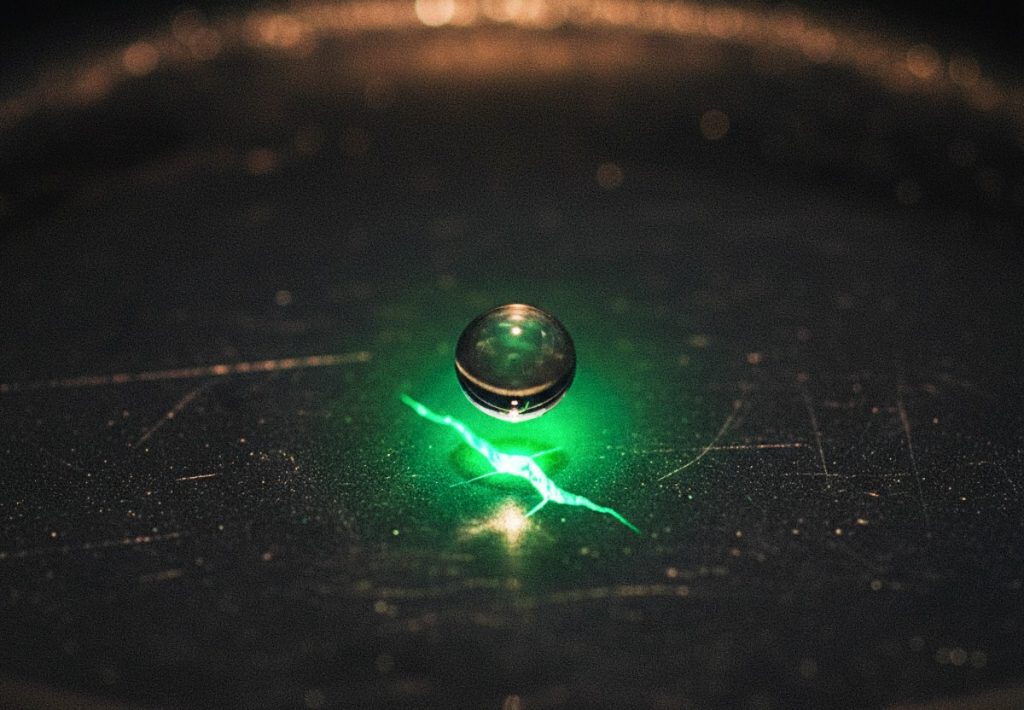
Cookware giants and even some celebrity chefs—many of whom have lucrative endorsement deals, as exposed in a 2025 investigation by Atmos and Heated—swear that PTFE (the technical name for Teflon) is “inert.” They claim it just slides through your body without reacting.
The Crisis of “Sacrifice Zones”
The production of Teflon has created “Sacrifice Zones,” contaminating the drinking water of hundreds of thousands of people. According to the CDC, nearly 98% of the global population now has detectable levels of PFAS in their blood. This isn’t just a kitchen choice anymore; it’s a systemic crisis involving PFAS forever chemicals in cookware.
The GenX Debate: Solving One Problem with Another
While the industry argues that short-chain PFAS (like GenX) are safer because they exit the human body faster, environmental toxicologists point out a hidden catch: they are much more mobile in water. It’s a classic case of “solving” a biological problem by creating a bigger environmental one.
You’re Literally Eating Plastic: The Mechanical Risk
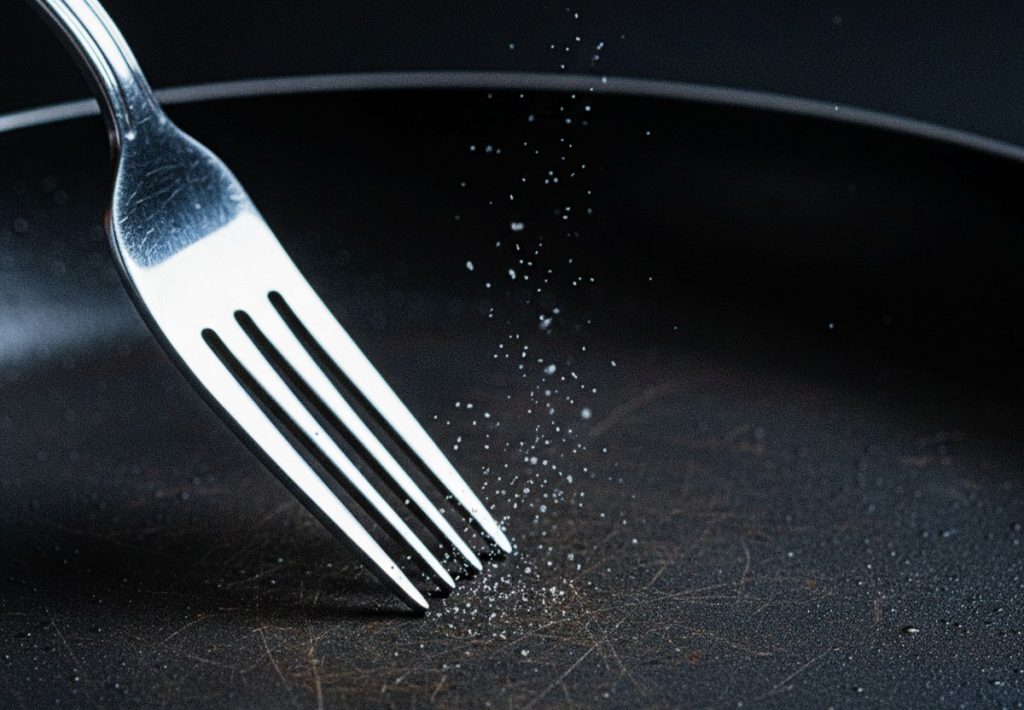
Forget just the toxic fumes from overheating. The real danger is mechanical. Recent studies show that a single scratch on your non-stick pan can release roughly 9,100 microplastic particles directly into your food.
Signs of Surface Degradation
If your pan is stained, yellowing, or has those tiny “fork marks,” it’s officially a waste factory. This invisible plastic has already been found in human lung and blood tissue. While the industry debates the “safety,” the science is shifting toward a much more alarming reality regarding PFAS forever chemicals in cookware and long-term bio-accumulation.
Going Back to Basics: The Healthier Move
The solution isn’t buying the next “high-tech” pan. The answer is moving to materials that have worked for centuries:
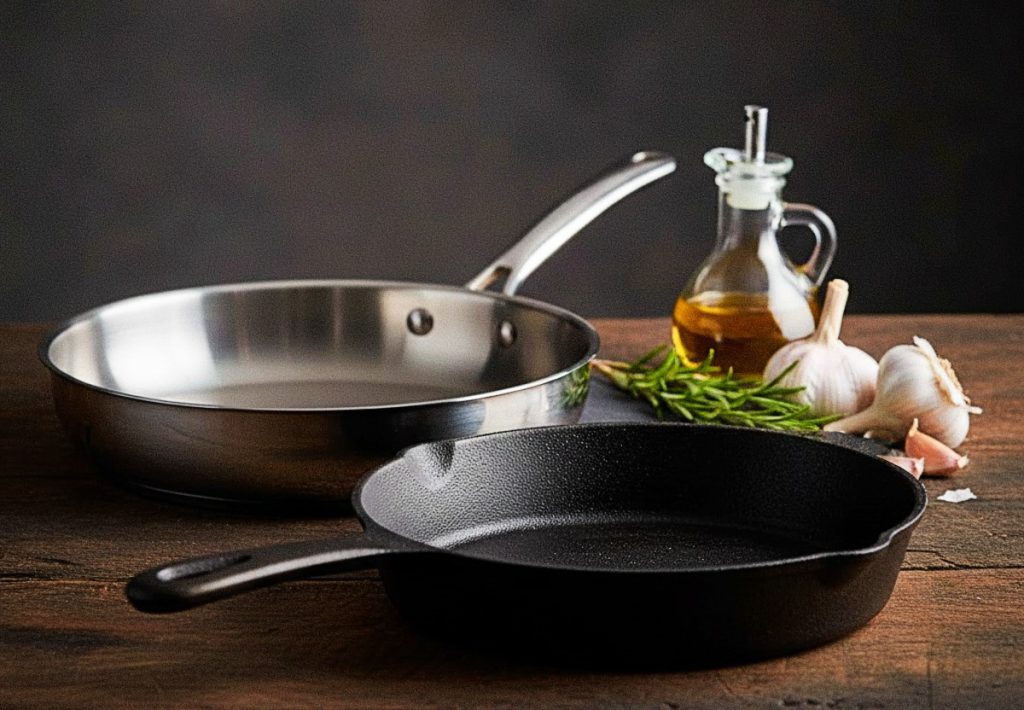
- Cast Iron: It’s basically indestructible and provides a natural non-stick surface.
- Stainless Steel: The professional’s choice. It’s non-reactive and lasts forever.
- Ceramic (True PFAS-Free): A good bridge for those who aren’t ready for steel, provided they are certified “Fluorine-Free.”
Watch Your Air Fryer Basket
If you read our breakdown on the air fryer health myth, you know that most baskets are coated in this same PTFE. If your basket is scratched, you’re just swapping oil for microplastics.
Cookware Comparison: Toxicity vs. Performance
| Material | Convenience | Toxic Risk | Longevity |
| Non-Stick (PTFE) | High (Initial) | High (Shedding/Fumes) | Disposable |
| Cast Iron | Medium | Zero | Multi-generational |
| Stainless Steel | Medium | Zero | Eternal |
FAQ: Navigating the Chemical Crisis
Does “PFOA-Free” mean the pan is safe?
Not necessarily. PFOA was often replaced by other PFAS forever chemicals in cookware (like GenX). Look for “PFAS-Free” to be sure.
What is “Teflon Flu”?
If you leave a non-stick pan on high heat while empty, the coating breaks down and releases fumes (Polymer Fume Fever).
When should I throw my pan away?
The second you see a scratch. Once the surface is compromised, the rate of chemical and microplastic shedding increases exponentially.
Final Thought: The Real Cost of Convenience
The long-term cost of cleaning up the environment and treating PFAS-linked diseases—like kidney cancer and thyroid issues—dwarfs the price of a single stainless steel pan. Stop buying, start owning.
Disclaimer: This content is for educational purposes regarding environmental toxins. Always consult with health professionals regarding PFAS exposure and follow local safety guidelines for the disposal of PFAS forever chemicals in cookware.
