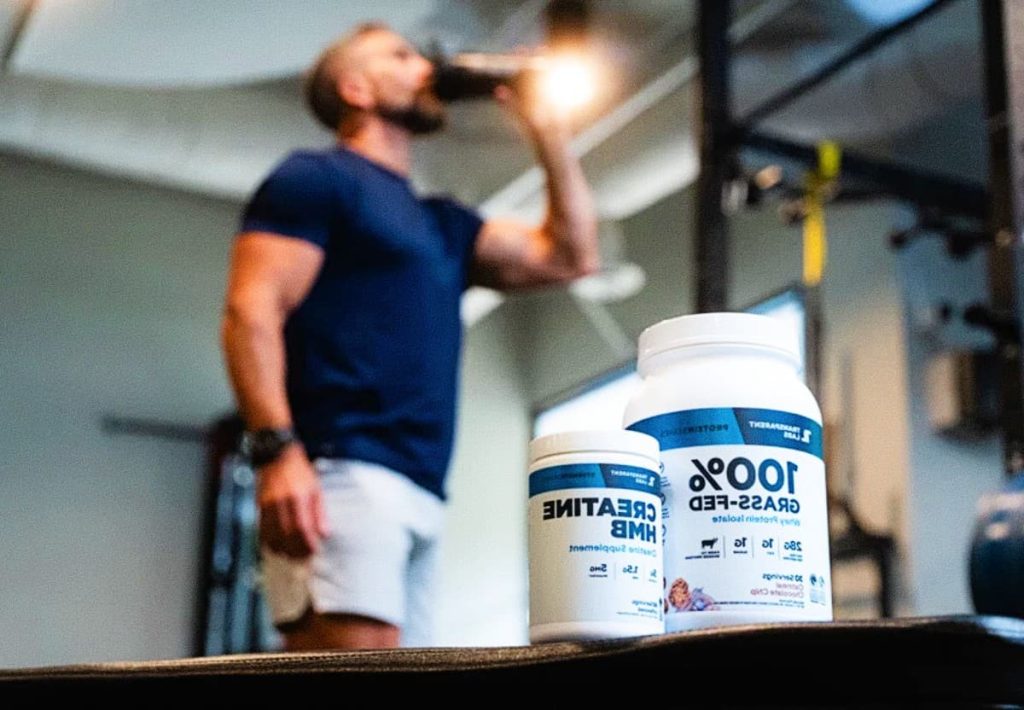
If you are looking to simplify your supplement routine, you’ve likely asked: Can I mix creatine with protein powder? The answer is a definitive yes. Not only is it safe, but combining these two powerhouses is one of the most effective “stacks” for anyone looking to build muscle and improve performance.
The Science: Why They Work Better Together
While both supplements aim for muscle growth, they operate through entirely different biological pathways. Mixing them ensures you are covering all bases of physical development.
- Creatine (The Energy Spark): It increases your stores of phosphocreatine, which helps your body regenerate ATP (the primary energy molecule). This allows you to push for that extra rep or lift a heavier set.
- Protein (The Building Blocks): Protein powder provides the essential amino acids and Leucine required for Muscle Protein Synthesis (MPS). It is the literal “raw material” used to repair the micro-tears caused by the intense training that creatine enabled.
Key Benefits of the Mixture
- Metabolic Synergy: Combining protein (and ideally some carbohydrates) with creatine triggers an insulin response. Research suggests that insulin helps “drive” creatine into the muscle cells more efficiently than taking it alone.
- Glycogen Recovery: Studies from 2026 show that taking creatine and protein together post-workout enhances the storage of muscle glycogen, which is vital for preventing overtraining and speeding up recovery.
- Convenience and Consistency: Taking them in a single shake ensures you don’t forget your daily dose. Since creatine requires saturation (taking it every day for 3–4 weeks) to work, consistency is more important than perfect timing.
How to Mix for Best Results
- The Dosage: Aim for 3–5 grams of creatine monohydrate mixed with 20–30 grams of high-quality protein (Whey, Casein, or Plant-based).
- The Texture: Creatine can sometimes feel “gritty.” Use a micronized creatine powder and shake vigorously to prevent it from settling at the bottom of your bottle.
- The Liquid: While water is standard, mixing with milk can add extra nutrients like calcium and additional protein, as long as it fits your caloric goals.
Are There Any Side Effects?
For healthy adults, there are no serious side effects to mixing these powders. Some users may experience mild bloating or digestive discomfort, which is usually a sign of low water intake. Because creatine draws water into the muscle tissue, staying hydrated is mandatory.
However, supplement quality matters. As we explored in our guide What is the #1 Worst Food for Vision Loss?, what you put into your body—whether it’s a “superfood” or a supplement—needs to be free from inflammatory fillers to truly support your long-term health.
For a deeper look into the role of phosphocreatine and ATP in muscle performance, consult the official Phlo Performance Guide.
Creatine & Protein FAQ
Does protein slow down creatine absorption? No. In fact, the insulin spike from protein (and carbs) can actually enhance the uptake of creatine into the muscles.
Can I mix them in hot coffee or tea? Yes, creatine is stable in warm liquids. However, make sure the protein powder doesn’t “clump” in high temperatures, which often happens with whey.
Should I use a “loading phase”? It is optional. You can take 20g of creatine for 5 days to see results faster, or simply stick to 3–5g daily. After 3 weeks, the muscle saturation level will be the same.
Is it better to take the mix before or after a workout? While you can take it anytime, taking it post-workout is generally preferred to kickstart the recovery process and take advantage of increased blood flow to the muscles.
