Skip to content

Is salt actually bad for you? The truth beyond the shaker

To share

Is salt actually bad for you? This is one of the most persistent questions in modern nutrition. For decades, salt has been cast as a dietary villain, directly linked to high blood pressure and heart health concerns. However, as we dive deeper into the current nutritional landscape, the answer isn’t a simple “yes” or “no.”

To understand the full picture, we must look at how our bodies process sodium and, more importantly, where that salt is coming from.
Unpacking these biochemical nuances helps clarify why evaluating is salt actually bad for you requires looking past generalized dietary guidelines and focusing on individual metabolic health, physical activity levels, and overall nutritional context. Furthermore, recognizing the historical evolution of dietary recommendations sheds light on why clinical consensus has shifted from blanket avoidance to targeted, patient-specific moderation.

When we analyze the complex relationship between systemic vascular resistance and mineral intake, it becomes evident that human physiology adapts dynamically to varying levels of dietary availability, provided that other key micronutrients—such as potassium, magnesium, and calcium—are present in adequate proportions within the daily diet. Whenever someone questions whether is salt actually bad for you in a general sense, clinical experts emphasize that sweeping declarations ignore the vital biochemistry of human hydration and cellular energy regulation. To answer is salt actually bad for you with scientific accuracy, we must examine clinical trials comparing high-sodium and low-sodium populations across diverse geographic regions.

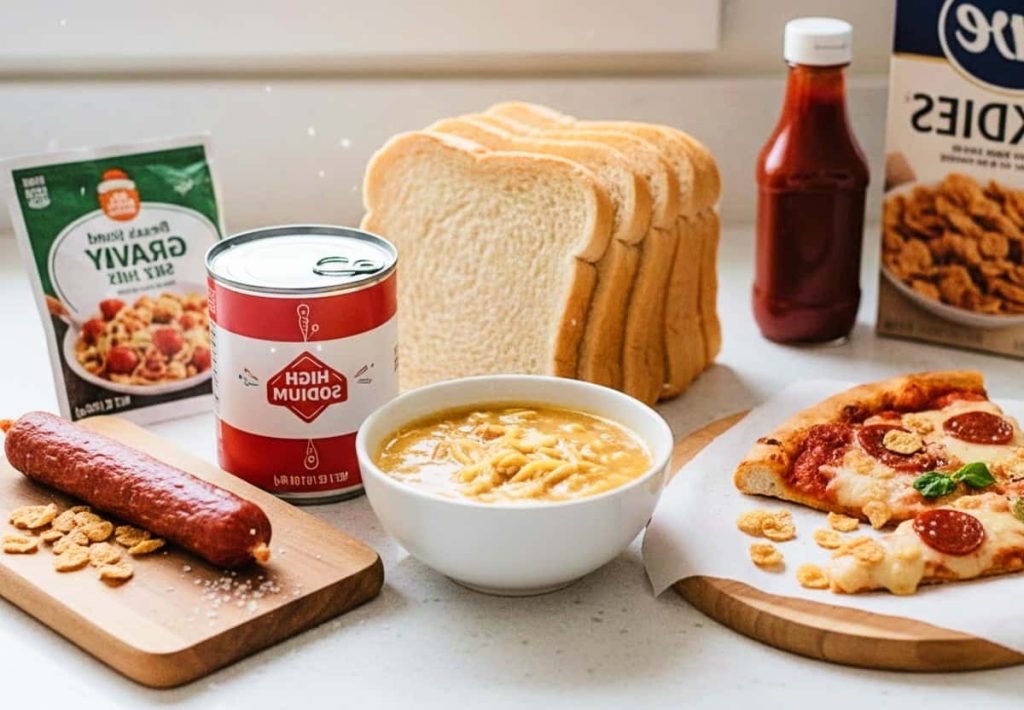
Hidden sodium sources in processed foods and the scientific debate on whether is salt actually bad for you.

The Evolutionary History of Salt: Why Our Palates Crave Sodium

Long before salt became a villain in modern dietary guidelines, it was one of the most precious commodities on Earth, driving trade routes, fueling empires, and serving as a form of currency. From an evolutionary biology perspective, our innate craving for salt is a deeply embedded survival mechanism. Early human ancestors lived in environments where sodium was scarce, forcing the body to develop intense physiological mechanisms to detect, seek out, and retain salt.

This ancient survival drive explains why our taste buds instantly light up when we consume sodium. In nature, salt signals the presence of essential minerals necessary for maintaining fluid homeostasis and preventing catastrophic cellular collapse. However, the modern food environment has completely hijacked this ancient biological adaptation.

While our hunter-gatherer ancestors rarely encountered high concentrations of sodium outside of natural game and mineral springs, today we are surrounded by hyper-palatable, industrial foods loaded with artificial sodium. Understanding this evolutionary mismatch helps reframe why asking whether salt is actually bad for you requires looking past our natural cravings and examining how our modern food supply exploits biology against us.

Why the Body Needs Sodium: Is Salt Actually Bad for You in Moderate Amounts?

Salt is made up of sodium and chloride, two minerals that are essential for survival. Sodium helps regulate fluid balance, supports nerve signaling, and plays a role in muscle movement. Because these processes are so vital, both extremely low and very high sodium levels can interfere with how the body functions.

When people ask, “is salt actually bad for you?“, they often forget that salt is a biological necessity—the problem lies in the dosage and the delivery method.

Maintaining this delicate electrolyte balance ensures optimal cellular communication, further reinforcing why asking is salt actually bad for you misses the broader point about how essential minerals sustain human physiology. At the cellular level, the sodium-potassium pump consumes a significant portion of the body’s resting energy to transport ions across cell membranes, driving nutrient absorption and electrical impulse transmission in nerve and muscle tissues.

Without a steady, reliable supply of extracellular sodium, these fundamental gradients collapse, leading to fatigue, muscle cramps, cognitive fog, and acute cellular dysfunction. Therefore, framing sodium purely as a toxic compound ignores its foundational role in maintaining homeostasis, energy metabolism, and overall physical vitality across every organ system in the human body.

The Hidden Sources of Sodium

A significant portion of sodium is hidden in foods we might not even consider “salty.” Common culprits include:

  • Processed Breads and Cereals: Often contain salt for texture and preservation.
  • Cured Meats: High concentrations are used to prevent spoilage.
  • Canned Goods: Soups and vegetables often sit in sodium-rich liquids.

Choosing lower-sodium versions of common products can make a massive difference. For example, check out Chicken Soup vs. Tomato Soup: Which One Is Actually Healthier? to learn how different soups compare in sodium content and overall nutrition.

Analyzing the full scope of ingredient labels reveals how easily daily intake can creep upward without consumer awareness, emphasizing why evaluating is salt actually bad for you depends heavily on what you buy off supermarket shelves. Beyond the obvious canned goods and cured meats, stealth sodium frequently lurks in seemingly healthy products like commercial salad dressings, bottled marinades, cottage cheese, and even pre-packaged plant-based meat substitutes.

These items use sodium compounds not just for taste, but to extend shelf life and offset the blandness introduced by flash-pasteurization and heavy industrial processing. By learning to scrutinize ingredient lists for hidden sodium derivatives—such as monosodium glutamate, disodium phosphate, and sodium benzoate—consumers can regain control over their daily intake without sacrificing culinary enjoyment or falling victim to deceptive marketing labels.

The Electrolyte Equilibrium: How Potassium and Sodium Work Together

When evaluating the health impacts of sodium, looking at salt in total isolation is one of the biggest mistakes in nutritional science. Sodium does not function inside the human body by itself; it operates in a delicate, continuous biochemical partnership with potassium. These two electrolytes act as the primary regulators of fluid balance both inside and outside our cells, governing everything from blood volume to cardiac muscle contraction.

Historically, human diets featured a ratio heavily skewed toward potassium, with people consuming massive amounts of leafy greens, tubers, and fresh fruits alongside modest amounts of sodium. In contrast, the modern Western diet flips this ratio upside down, flooding the body with excess sodium while severely starving it of potassium.

This chronic imbalance is what triggers vascular strain and elevates blood pressure, rather than sodium intake alone. Clinical studies increasingly show that when dietary potassium is abundant—originating from whole-food sources—the body can efficiently excrete excess sodium and maintain healthy vascular tone. Therefore, before condemning salt entirely, we must evaluate whether the real dietary crisis is an excess of sodium or a drastic deficiency in potassium.

How Much Salt Do People Actually Eat?

In many countries, average intake is higher than recommended. But here is the surprise: most salt does not come from your salt shaker at home. A large share of daily sodium intake comes from packaged, processed, and fast foods.

Recognizing the prevalence of hidden additives in modern diets highlights the structural challenges of managing sodium consumption, shedding more light on is salt actually bad for you in the context of hyper-processed food environments. Modern industrial food manufacturing relies heavily on sodium not only for flavor enhancement, but also as a cheap preservative, texturizer, and moisture binder.

Because processed formulations mask the natural sensory profiles of ingredients, manufacturers frequently double down on sodium and refined sugars to stimulate palate satisfaction. This systemic integration of sodium into everyday convenience items means that individuals attempting to lower their intake often struggle, as the vast majority of their daily load is consumed passively without ever touching a kitchen seasoning jar.

Salt, Blood Pressure, and Individual Response

Research consistently shows a link between higher sodium intake and increased blood pressure in some individuals. Elevated blood pressure is a known risk factor for cardiovascular conditions, which is why salt reduction strategies are often discussed at a population level.

Considering the wide variance in genetic predisposition and vascular health among different populations offers a clearer perspective when questioning is salt actually bad for you on an individual clinical level.

The Role of Salt Sensitivity

Some individuals are “salt-sensitive,” meaning their blood pressure responds significantly to sodium changes. For others, the impact is minimal. So, is salt actually bad for you if you are healthy and active? Not necessarily. For active individuals or those with a diet rich in whole fruits and vegetables, the body often handles sodium more efficiently.

Evaluating genetic differences in vascular reactivity uncovers why blanket sodium restrictions often fail to yield universal health outcomes, proving once again that addressing is salt actually bad for you demands a personalized approach rather than a one-size-fits-all medical mandate.

Considering the wide variance in genetic predisposition and vascular health among different populations offers a clearer perspective when questioning is salt actually bad for you on an individual clinical level. Furthermore, physiological factors such as renal function, autonomic nervous system tone, and baseline physical conditioning dictate how effectively the kidneys excrete excess sodium.

Endurance athletes or individuals engaging in heavy manual labor lose substantial amounts of sodium through perspiration daily, meaning their physiological requirement for salt far exceeds standard public health guidelines. For this active demographic, restrictive low-sodium diets can trigger hyponatremia, muscle weakness, and impaired cardiovascular performance, highlighting the danger of applying population-wide averages to active, metabolically unique individuals. This clinical variance explains why medical professionals often hesitate when patients ask is salt actually bad for you without providing context about their personal lifestyle.

Reducing Salt Without Eliminating Flavor

If you want to be more mindful of your intake, focus on awareness rather than total restriction. Small changes can have a noticeable impact on your health.

Embracing nutrient-dense, whole-food culinary techniques allows you to enjoy robust flavors naturally, bringing a sustainable resolution to worries about is salt actually bad for you in everyday cooking.

Smart Flavor Substitutes

Using herbs, spices, garlic, or citrus can enhance your meals naturally. For instance, pairing savory dishes with clever aromatics like those explored in Onion or Garlic first? The science and technique behind the right order can maximize taste profiles without relying heavily on the salt shaker. This approach shifts the focus from what you are removing to what you are adding, ensuring you don’t lose the joy of eating.

Experimenting with aromatic acids, fresh herbs, and botanical seasonings not only elevates culinary craftsmanship but also retrains the palate over time, offering a practical solution for anyone still wondering is salt actually bad for you when trying to maintain a heart-healthy diet.

Reading Labels Beyond Sodium

Paying attention to food labels on sauces and dressings is vital. Many “low-fat” options compensate for flavor by adding more salt or sugar. Being a conscious consumer is the first step toward a balanced diet.

Furthermore, when evaluating how broader lifestyle and hydration habits interact with mineral balance, you can explore insights like Best time to drink water: 5 Metabolic hydration hacks to better support your daily wellness goals.

Navigating complex ingredient disclosures empowers consumers to look past deceptive marketing claims on processed packaging, bringing much-needed clarity to the ongoing debate over is salt actually bad for you in modern commercial food supply chains.

Embracing nutrient-dense, whole-food culinary techniques allows you to enjoy robust flavors naturally, bringing a sustainable resolution to worries about is salt actually bad for you in everyday cooking. When we deliberately construct meals using umami-rich whole ingredients—such as mushrooms, tomatoes, nutritional yeast, and toasted seeds—we trigger the same sensory receptors as sodium chloride, making flavor reduction feel effortless and deeply satisfying.

This culinary shift transforms the kitchen from a place of dietary restriction into an arena of sensory discovery, proving that wholesome cooking can rival any processed food product in taste and complexity. Through these kitchen practices, the anxiety surrounding is salt actually bad for you fades away naturally.

FAQ – Is Salt Actually Bad for You?

Is salt bad for everyone?

The Context of Individual Health

No. Salt is essential for fluid balance and nerve function. The concern is usually regarding excessive intake from ultra-processed sources rather than moderate home cooking.

Does reducing salt always lower blood pressure?

Genetics and Diet Quality

Not for everyone. While it helps many, responses vary based on genetics, age, and whether the diet includes enough potassium to balance the sodium.

Is salt from home cooking different from processed food salt?

The Nutrient Matrix

Yes. Home-cooked salt is usually paired with whole foods, whereas salt in processed foods often comes with unhealthy fats, refined sugars, and additives that worsen the impact on health.

Ultimately, understanding is salt actually bad for you requires looking at the total dietary picture, focusing on fresh ingredients and personal health needs.

Addressing these nuanced clinical questions provides a well-rounded foundation for making informed dietary choices, successfully wrapping up our comprehensive look at is salt actually bad for you.

Disclaimer: This content is for informational purposes only and does not constitute medical advice. Always consult with a healthcare professional or a registered dietitian before making significant changes to your diet, especially if you have underlying health conditions such as hypertension or kidney issues.