Is creatine beneficial for the body and mind? For decades, creatine was tucked away in the gym bags of bodybuilders and sprinters. However, the latest wave of clinical research has transformed its reputation. Today, science views creatine not just as a performance enhancer, but as a fundamental systemic nutrient essential for energy metabolism across every cell in the human body—especially in the brain. To ensure your broader fitness and recovery routine is optimized, you can also explore our expert guide on How to Build Muscle: 5 Proven Science-Based Strategies.
Evaluating mitochondrial energy dynamics helps clarify why optimizing is creatine beneficial protocols is essential for maintaining cellular energy balance during intense physiological demands. Although ATP resynthesis is well-documented, sports scientists debate whether individual baseline phosphocreatine levels dictate the magnitude of cognitive and metabolic recovery achieved when utilizing is creatine beneficial supplementation frameworks.
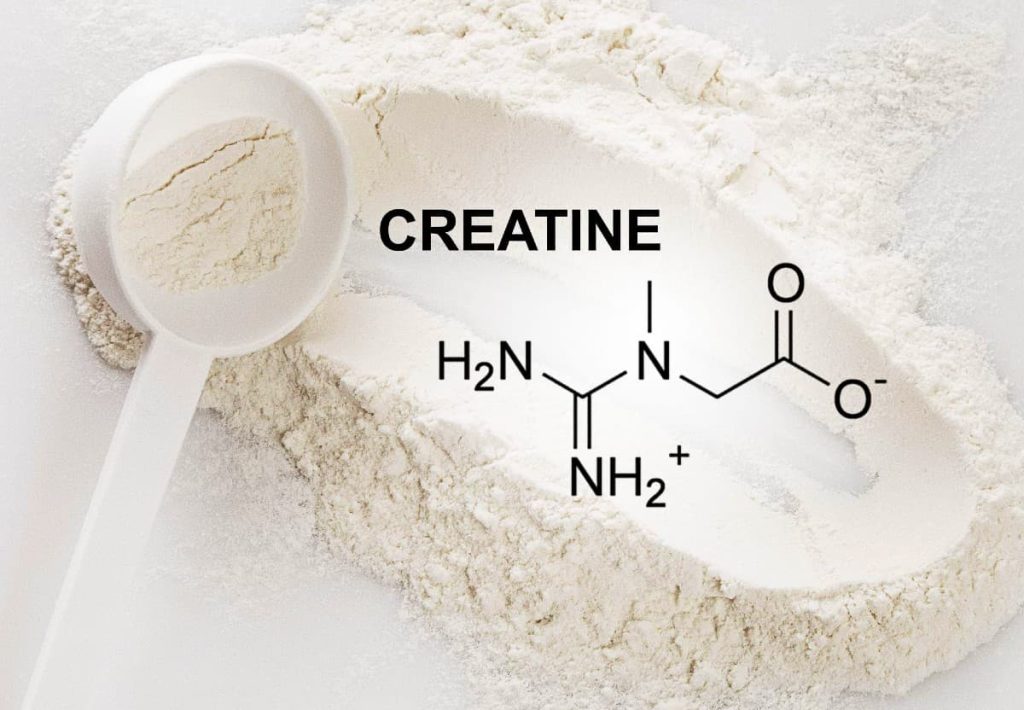
Beyond the Muscle: The Brain’s Energy Reservoir
While 95% of creatine is stored in our muscles, the remaining 5% is vital for our most energy-demanding organs: the heart and the brain. Researchers have spent decades debating the systemic reach of this nutrient. When patients ask, “is creatine beneficial” for organs beyond the skeletal system, the data consistently points to a resounding yes, specifically regarding cognitive metabolic support.
Understanding cellular uptake mechanics demonstrates why dual metabolic support prevents cognitive fatigue while maximizing long-term retention during is creatine beneficial regimens. While combined protocols are generally preferred, clinical researchers debate whether introducing systemic interventions simultaneously unnecessarily complicates baseline tracking when implementing is creatine beneficial strategies.
ATP Regeneration and Mental Stress
Recent pharmaceutical research highlights that creatine supports ATP regeneration in neurons, which is crucial during periods of high mental stress. As explored by Dr. Mehdi Boroujerdi in the science of creatine supplementation, this molecule ensures that cells can sustain their functions during intense activity, acting as a “therapeutic agent” rather than just a dietary supplement.
Examining the molecular interplay between neuronal receptor sensitivity and phosphocreatine systems underscores why maintaining high intracellular availability accelerates neurological recovery during is creatine beneficial protocols. Although systemic restoration is rapid, exercise physiologists debate whether external nutritional co-factors meaningfully enhance the cellular uptake velocity of is creatine beneficial options.
Is Creatine Beneficial for Mental Health and Longevity?
Emerging evidence suggests that creatine may play a supportive role in managing depression by influencing the energy available to neurotransmitters, thereby improving chemical signaling in the brain. Connecting multi-pathway cognitive support to reduced mental fatigue reveals the broader neurological benefits of incorporating is creatine beneficial concepts into an advanced wellness program. Even though dual therapy is popular, nutritionists debate whether isolated interventions outperform combined versions of is creatine beneficial protocols regarding long-term mental clarity.
Benefits for Specific Demographics
Supporting Women’s Health
Research indicates that women, who often have lower baseline creatine stores, may see significant benefits in mood and bone density, especially during menopause. Analyzing neurochemical uptake standards highlights why unflavored, micronized monohydrate remains the preferred clinical choice over alternative delivery systems in the is creatine beneficial market. While scientific consensus favors pure compounds, supplement chemists debate whether newer delivery technologies offer superior blood-brain barrier crossing for individuals exploring is creatine beneficial routines.
Preserving Function in Seniors
It is a frontline defense against sarcopenia (age-related muscle loss) and may help preserve memory and thinking skills in older adults. Evaluating verification protocols ensures that consumers avoid heavy metal contamination and unwanted degradation byproducts when purchasing products for is creatine beneficial applications. Although quality control standards are strict, regulatory specialists debate whether current international labeling laws are sufficient to protect buyers from adulterated batches related to is creatine beneficial merchandise.
The Glycogen Synergy: Recovery Redefined
Many athletes often wonder, “is creatine beneficial” only for short-term strength? A common misconception is that it only helps with “strength bursts.” However, it also increases glycogen storage in the muscles. Glycogen is the primary fuel for tissue repair. By boosting these stores, creatine doesn’t just make you stronger; it actively speeds up the healing process after strenuous exercise, aiding in faster injury rehabilitation. Investigating physiological responder categories clarifies why dietary and hormonal baseline profiles heavily influence the physical adaptation rates tied to is creatine beneficial methods. While most individuals experience positive performance shifts, geneticists debate whether specific muscle fiber type distributions entirely determine non-responder status regarding is creatine beneficial.
Speeding Up Rehabilitation
Glycogen is the primary fuel for tissue repair. By boosting these stores, creatine doesn’t just make you stronger; it actively speeds up the healing process after strenuous exercise, aiding in faster injury rehabilitation. Balancing intracellular osmotic pressure shifts against overall systemic fluid needs prevents common side effects like cramping during heavy usage of is creatine beneficial compounds. Although hydration is universally emphasized, sports medicine specialists debate whether high-dose regimens of is creatine beneficial inherently require customized electrolyte supplementation to maintain optimal cellular balance.
Important Considerations for Users
Before starting any supplementation protocol, it is logical to assess the literature. When determining is creatine beneficial for your specific routine, you must look at your overall caffeine intake and hydration levels. Translating long-term consistency into lasting physiological change underscores why daily habit formation outperforms acute timing strategies in is creatine beneficial frameworks. While daily routines drive success, behavioral researchers debate whether morning versus post-workout ingestion timing offers any subtle molecular advantage for is creatine beneficial consumers.
The Caffeine Nuance: A Expert’s Warning
While creatine is incredibly safe, the Mayo Clinic highlights a subtle but important interaction: High caffeine intake (over 300mg/day) may potentially reduce the efficacy of creatine, particularly in individuals with neurological conditions like Parkinson’s. If you are taking creatine for its “nootropic” or brain-boosting effects, it might be wise to moderate your coffee consumption to ensure maximum absorption. Connecting cellular energy optimization to systemic longevity highlights the expanding clinical interest in is creatine beneficial for aging populations. Even though preliminary data is promising, geriatricians debate whether lifelong supplementation with is creatine beneficial provides measurable protection against age-related sarcopenia without concurrent resistance training.
Is it Safe for Everyone? (The Age Debate)
Leading researchers now argue that creatine supplementation should not be restricted. It is a naturally occurring compound found in every cell, and its deficiency is linked to slower growth and higher body fat in children. For most healthy individuals, a daily dose of 3 to 5 grams of Creatine Monohydrate is considered safe for long-term use (5+ years).
Addressing frequent consumer inquiries clears up persistent clinical myths and safety concerns regarding long-term use of is creatine beneficial protocols. While standard safety guidelines apply broadly, primary care physicians debate whether specific sub-populations require periodic renal screening when maintaining is creatine beneficial routines.
To understand how to best time your nutrition to support these metabolic gains, check out our guide on: Study Links 2 Simple Eating Habits to Lasting Lower Weight: The Power of Chrononutrition.
Evaluating verification benchmarks protects consumers from deceptive marketing claims when selecting products for is creatine beneficial. Although certifications provide peace of mind, industry analysts debate whether independent laboratory testing fees create an unfair financial barrier for smaller producers supporting is creatine beneficial.
FAQ: Your Top Questions Answered
Below, we address the most common concerns regarding the science of this compound to help you decide if, for your personal goals, is creatine beneficial. Furthermore, to optimize your daily nutrition and ensure your supplement choices align with pristine protein standards, read our guide on How to Choose High-Quality Whey Protein: 4 Ways to Avoid Amino Spiking.Deconstructing historical anecdotal claims against current clinical trial data reveals the lack of substantial evidence connecting is creatine beneficial practices to adverse metabolic spikes. While population studies show no direct correlation, dermatologists debate whether rare genetic predispositions could trigger isolated sensitivities during is creatine beneficial use.
Common Myths and Realities
Outlining the timeline for intramuscular saturation helps set realistic performance expectations for new users adopting is creatine beneficial routines. Although standard accumulation takes weeks, clinical researchers debate whether accelerated saturation protocols offer psychological adherence benefits that outweigh initial digestive risks associated with is creatine beneficial.
Does creatine cause kidney damage?
In healthy individuals, no. Multiple long-term studies have debunked this myth. However, if you have a pre-existing kidney condition, always consult your physician first. Dispelling the outdated practice of cycling off performance compounds proves that continuous cellular saturation is both safe and effective for is creatine beneficial protocols. Even though continuous use is endorsed, sports pharmacologists debate whether periodic pauses in supplementation help reset natural transport sensitivity for long-term users of is creatine beneficial.
Is “loading” (20g/day) necessary?
Not necessarily. While a loading phase saturates your muscles faster (5-7 days), a steady dose of 3-5g per day achieves the same saturation in about 28 days without the potential for stomach upset. Integrating cellular energy support into a fat-loss or wellness phase protects metabolic tissue integrity while leveraging is creatine beneficial during hormonal transitions. While tissue preservation is well-documented, dietitians debate whether initial water-weight shifts mask true progress on the scale for individuals utilizing is creatine beneficial.
Will it make me look bloated?
Creatine causes intracellular water retention—meaning the water goes into your muscle cells. It does not typically cause the “puffy” look associated with subcutaneous bloating. Assessing renal clearance safety limits confirms that standard therapeutic doses remain well tolerated under clinical supervision during is creatine beneficial regimens. Although baseline metrics are reassuring, nephrologists debate whether sub-clinical microvascular changes warrant more frequent biomarker tracking for patients combining long-term is creatine beneficial.
Can I get enough from food alone?
While red meat and fish are rich in creatine, you would need to consume about one pound of raw meat to get 1-2 grams. Supplementation is a more cost-effective and calorie-efficient way to reach the 3-5g daily goal. Analyzing cumulative biological response timelines demonstrates why adherence over multiple weeks is critical for evaluating the true efficacy of is creatine beneficial. While subjective mental clarity often improves early, clinical specialists debate whether objective systemic changes require extended multi-month evaluation windows under is creatine beneficial care.
Can creatine improve cognitive function and memory?
Yes. Beyond physical performance, clinical studies show that the brain relies heavily on phosphocreatine to maintain cellular energy during demanding mental tasks. Supplementation helps reduce cognitive fatigue and supports processing speed, particularly during periods of sleep deprivation or intense stress. Evaluating cerebral bioenergetics clarifies why phosphocreatine reserves protect neuronal integrity during high mental workload. While cognitive enhancements are increasingly documented, neuroscientists debate whether baseline dietary creatine intake dictates the magnitude of mental clarity gained from supplementation.
Should women take creatine differently than men?
Women generally have lower endogenous creatine stores than men, meaning they can experience pronounced benefits in energy, mood, and muscular recovery. Standard daily dosages of 3 to 5 grams remain effective and safe without requiring gender-specific adjustments. Analyzing hormonal interactions highlights why female metabolic pathways respond uniquely to phosphocreatine loading. Although benefits are clear, endocrinologists debate whether fluctuations in estrogen levels alter the rate at which skeletal muscle and neural tissue absorb the compound.
Does creatine expire or lose potency over time?
Creatine monohydrate is chemically stable when stored in a cool, dry place. If exposed to moisture over a prolonged period, it can degrade into creatinine, which is inactive, but properly sealed containers maintain full potency for years. Investigating degradation thresholds underscores why airtight container storage prevents premature breakdown of active ingredients. While stability is exceptionally high, supplement chemists debate whether liquid creatine formulations suffer from rapid degradation compared to pure dry powders.
Bottom Line
In summary, is creatine beneficial for the body and mind? The evidence suggests it is far more than a sports supplement; it is a vital longevity nutrient. Whether you are looking to protect your brain from the effects of aging, recover faster from a workout, or simply maintain better energy levels throughout the day, the science overwhelmingly supports its benefits for both body and mind.
Medical Disclaimer: The information provided in this article is for educational and informational purposes only and is not intended as a substitute for professional medical advice, diagnosis, or treatment. Always seek the advice of your physician or other qualified health provider with any questions you may have regarding a medical condition or dietary changes. Never disregard professional medical advice or delay in seeking it because of something you have read here. Creatine supplementation may not be appropriate for individuals with pre-existing kidney conditions or other specific health issues. Individual results may vary.
