Skip to content

5 Science-backed hacks: How to stop oil splatter while frying

To share

If you are wondering how to stop oil splatter, the secret lies in the physics of moisture and fat. We have all been there: you drop a piece of protein into a pan and are immediately met with a violent barrage of hot grease. It’s messy, it’s painful, and it often feels like an inevitable tax on a good meal. However, oil splattering isn’t a random occurrence—it is a specific physical reaction between moisture and fat. By understanding the “why,” you can use a few simple pantry staples to turn your kitchen into a splash-free zone.
Navigating stovetop safety requires an appreciation for fluid dynamics and thermal volatility. When hot fat interacts with trapped moisture, understanding how to stop oil splatter transforms your cooking routine from a high-stress hazard into a controlled, clean science. Mastering these fundamental principles ensures that your culinary experiments remain both delicious and safe every time you apply methods on how to stop oil splatter, avoiding the common pitfalls often detailed in guides like Why your “easy-clean” pans are actually ruining your dinner.

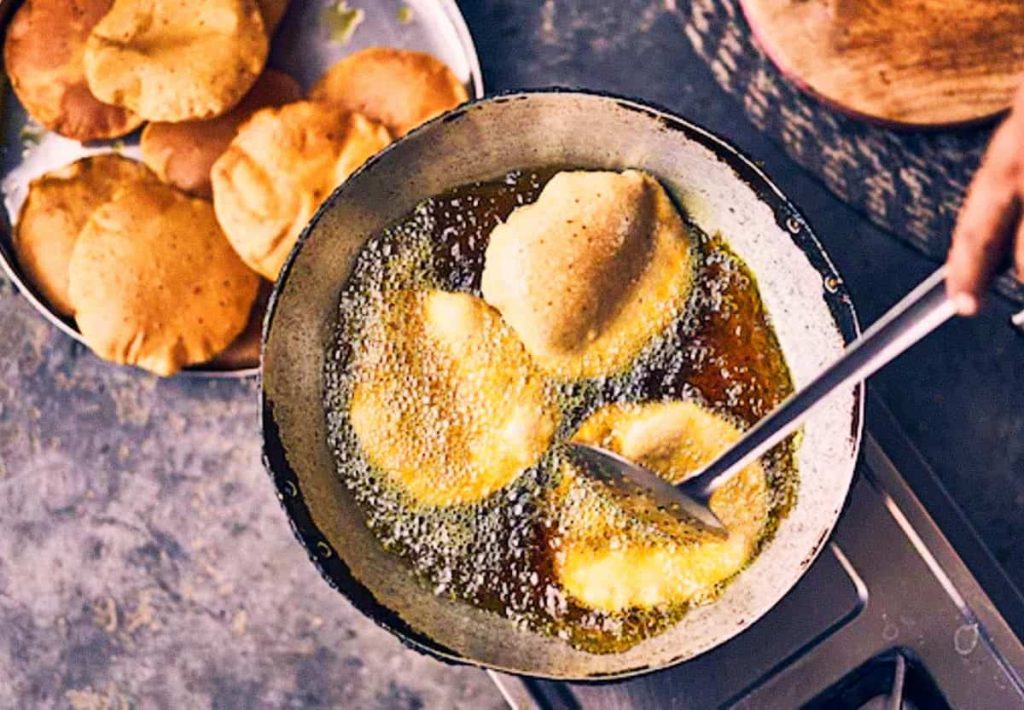
Professional chef demonstrating how to stop oil splatter while frying protein in a pan

The “Explosive” Physics: Why Oil Pops

The villain in every splatter story is water. When moisture—whether from washed vegetables or the internal juices of a steak—hits hot oil, it instantly vaporizes into steam. Because steam expands rapidly and oil is hydrophobic, the rising water vapor “explodes” through the surface, carrying droplets of hot fat with it. To stop the mess, you must control the steam.

The rapid phase transition from liquid water to gaseous steam is the primary catalyst for kitchen accidents. Knowing how to stop oil splatter means recognizing that water molecules trapped beneath a layer of dense oil have nowhere to go but up, propelling scalding grease into the surrounding air. Managing this physical reaction is the key to maintaining a pristine stovetop through effective techniques on how to stop oil splatter.

1. The “Anchor” Hacks: Salt, Flour, and Cinnamon

Applying these molecular anchors is the most effective way how to stop oil splatter when you are sautéing proteins, as they stabilize the oil’s surface tension immediately.

The Salt Trick

Popularized by culinary experts and viral home hacks, adding a pinch of salt to the pan before the food absorbs surface moisture and stabilizes the oil’s tension. This simple technique for preventing oil splatter has proven to be a game-changer for reducing stovetop cleanup. Applying these molecular anchors is the most effective way how to stop oil splatter when you are sautéing proteins, as they stabilize the oil’s surface tension immediately.

The Flour/Cornstarch Shield

The Flour/Cornstarch Shield: A light dusting of flour or cornstarch on your food creates a dry barrier. Professional kitchens often use this to lock in juices while neutralizing the steam reaction at the point of contact.

The Cinnamon Secret

Specifically for fish, a pinch of cinnamon acts as a moisture sponge. It soaks up excess oil and acts as a barrier for that moisture-induced popping, without drastically altering the flavor profile.

Leveraging chemical additions like fine starches or mineral salts alters the surface tension and viscosity of the cooking medium. When implementing these strategies for how to stop oil splatter, you create an effective molecular barrier that neutralizes expanding steam before it can breach the surface of the fat, mastering how to stop oil splatter once and for all.

2. Thermal and Batch Management

Temperature stability is the Beyond managing grease, professional control is key to any side dish—just as understanding starch gelatinization is essential for mastering other staples, such as in our guide on It’s not the onion, nor the oil: The chef’s secret to professional rice. line of defense.

The Shimmer Rule

Oil should shimmer, not smoke. If it’s smoking, any drop of water will turn into explosive steam.

Batching Physics

Overcrowding a pan traps steam between the pieces of food. This steam builds pressure until it “pops” out violently. Mastering thermal stability is fundamental when you are learning how to stop oil splatter, as the intensity of the popping is directly tied to the oil’s temperature and consistency.

Optimal Venting

Leave enough space for steam to vent vertically without taking oil with it.

The “Off-Heat” Entry

If you are frying delicate or high-moisture items, turn the heat OFF for 30 seconds while you place the food. Once the initial “sizzle” settles, turn the burner back on.

Preventing thermal shock and controlling pan density are critical skills for any home cook. Applying proper heat regulation when exploring how to stop oil splatter prevents sudden temperature drops that lead to uneven cooking and chaotic grease explosions, reinforcing the best practices of how to stop oil splatter and ensuring proper equipment care like understanding Why food sticks to stainless steel — And how to make It stop.

3. Professional Safety Protocols

Home cooks often drop food from a height to stay away from the pan, but this is a mistake.

The “Away” Drop

Using tongs or a “spider” (mesh skimmer), place the food gently into the oil, aiming the drop away from your body.

The Dry Primer

This is a non-negotiable step. Use paper towels to pat your ingredients completely dry. Removing surface water is essential not just for safety, but for achieving the perfect sear, as we explain in our guide on Why You Should Never Wash Raw Chicken. When you keep your kitchen tools and ingredients completely dry, you are utilizing the most reliable professional method how to stop oil splatter before it even begins.

Adopting professional-grade handling habits drastically minimizes the risk of accidental burns and oil splashes. Incorporating these rigorous physical techniques for how to stop oil splatter ensures your cooking environment remains safe, orderly, and professional from start to finish while practicing how to stop oil splatter.

Advanced Thermal Management and Surface Physics

Understanding Droplet Kinetics During High-Heat Frying

When hot cooking oil meets moisture, the molecular reaction is swift and volatile. Mastering an how to stop oil splatter technique requires recognizing how thermal energy transfers through different cooking mediums. When water drops become trapped beneath dense lipids, they instantly convert into steam pockets, creating micro-explosions that breach the surface tension of the fat.

At a microscopic level, when aqueous droplets plunge beneath the oil’s surface, they become insulated by a hydrophobic boundary of hot fat. As conductive heat penetrates this boundary, the water reaches its boiling point instantaneously, creating localized superheated steam. Because the vapor pressure inside these microscopic pockets exceeds the external hydrostatic pressure and surface tension of the oil, a violent rupture occurs. Analyzing these physical forces highlights why controlling moisture content is vital for anyone searching for reliable solutions on how to stop oil splatter.

The Role of Pan Material in Heat Distribution

Different cookware materials conduct heat at varying rates, which directly impacts how violently your oil reacts. Using heavy-bottomed pans helps stabilize the thermal environment, minimizing sudden temperature fluctuations that contribute to unexpected grease popping while applying methods on how to stop oil splatter.

The thermal conductivity and heat capacity of your cookware dictate how evenly energy is transferred to the oil. Thin, low-quality pans often develop dangerous hot spots, causing localized overheating where oil degradation accelerates and splashing becomes erratic. In contrast, multi-clad stainless steel or heavy cast-iron skillets store and distribute thermal energy uniformly across the entire cooking surface. This stable thermal baseline prevents sudden temperature crashes when food is added, acting as an indispensable mechanical advantage when mastering how to stop oil splatter.

Viscosity Control and Fat Stability

Selecting High-Smoke-Point Oils for Clean Cooking

The chemical structure of your cooking fat dictates how well it handles high temperatures. Unrefined oils break down rapidly under heat, releasing free fatty acids that increase surface agitation. Switching to stable fats is a fundamental pillar of any effective strategy for how to stop oil splatter.

Choosing the correct cooking medium involves understanding the chemical makeup of saturated versus unsaturated fats and their respective smoke points. When you use unstable, low-smoke-point oils like unrefined flaxseed or extra virgin olive oil for high-heat applications, the fat molecules break down well below standard frying temperatures. This thermal degradation not only produces off-flavors and harmful free radicals but also creates an unstable surface prone to violent bubbling. Transitioning to robust, highly refined oils with structured molecular stability prevents this breakdown, ensuring a calm, safe cooking environment every time you apply methods on how to stop oil splatter.

Maintaining Optimal Viscosity in Commercial Kitchens

Professional chefs rely on consistent fat viscosity to prevent excessive bubbling and splashing. By managing the oil’s temperature and filtering out food particulates regularly, you maintain a stable cooking medium that naturally supports your efforts on how to stop oil splatter.

In high-volume culinary settings, the integrity of the frying medium degrades over time due to repeated thermal stress and the accumulation of burnt food debris. These microscopic particles act as nucleation sites, lowering the activation energy required for water vapor to violently escape and cause grease explosions. By implementing rigorous professional protocols—such as continuous temperature monitoring, skimming out debris between batches, and properly filtering or cycling out used oil—you preserve the ideal fluid viscosity. This meticulous maintenance minimizes surface agitation, giving you absolute control over how to stop oil splatter during intensive food preparation.

4. Splatter-Free FAQ

While many home cooks use lids, the true scientific method how to stop oil splatter is to use a fine-mesh screen that allows steam to escape while trapping the grease droplets.

Common Questions

  • Should I use a lid to stop the mess? Using a solid lid is actually counterproductive. A lid traps steam, which eventually condenses back into water droplets and falls into the hot oil, causing even more splattering. While many home cooks use lids, the true scientific method how to stop oil splatter is to use a fine-mesh screen that allows steam to escape while trapping the grease droplets.
  • Does the salt trick work for deep frying? No. The salt trick is most effective for shallow frying and sautéing. For deep frying, your best defense is a high-sided pot and ensuring the food is perfectly dry and at room temperature before it hits the oil.
  • Can I fry frozen foods directly if I want to save time? Doing this is one of the quickest ways to cause a major grease hazard. Frozen foods are packed with microscopic ice crystals that instantly vaporize upon contact with hot oil. If you want to know how to stop oil splatter, always thaw and thoroughly pat your ingredients completely dry before introducing them to the pan.
  • Does a splatter screen completely solve the problem on its own? A fine-mesh screen is exceptionally effective at catching airborne grease droplets, but it works best as part of a multi-step defense system. Combining a screen with proper moisture control, appropriate pan spacing, and stable oil temperatures is the ultimate blueprint for how to stop oil splatter successfully.
  • Why does wet-battered food pop more aggressively than dry-breaded food? Wet batters contain high amounts of free water that immediately interact with the hot oil surface, causing instant steam expansion. To master how to stop oil splatter when working with wet batters, ensure your oil temperature is carefully regulated and use a fine flour or starch dusting as an initial barrier before frying.

Choosing the Right Fats

  • Which oil splatters the least? Oils with high “smoke points” like Rice Bran, Sunflower, or Avocado oil are structurally more stable. Unstable fats (like butter or unrefined oils) break down faster, making them prone to more erratic “sneezing.”

Addressing common misconceptions about kitchen equipment and fat selection empowers you to make informed, science-based decisions. Understanding the core answers behind how to stop oil splatter elevates your culinary confidence and protects your kitchen workspace from unnecessary messes through reliable knowledge on how to stop oil splatter.

Safety Disclaimer: This content is for educational purposes only. Frying with hot oil involves risks of burns and fire hazards. Always use proper protective gear, keep the area clear, and never leave hot oil unattended. You assume full responsibility for your actions in the kitchen; this information does not replace professional safety training.