How many bananas per day is the perfect amount? Bananas are often called “nature’s perfect snack,” and for good reason. They are portable, pre-packaged, and loaded with essential nutrients like potassium and Vitamin B6. But as with any healthy food, the dose makes the medicine. If you are asking yourself how many bananas per day you should consume, the answer depends on your unique metabolic needs.
According to a detailed nutritional breakdown from Healthline, most healthy adults can thrive on 1 to 2 bananas per day. However, the “ideal” number depends heavily on your activity level, kidney health, and how you pair the fruit.
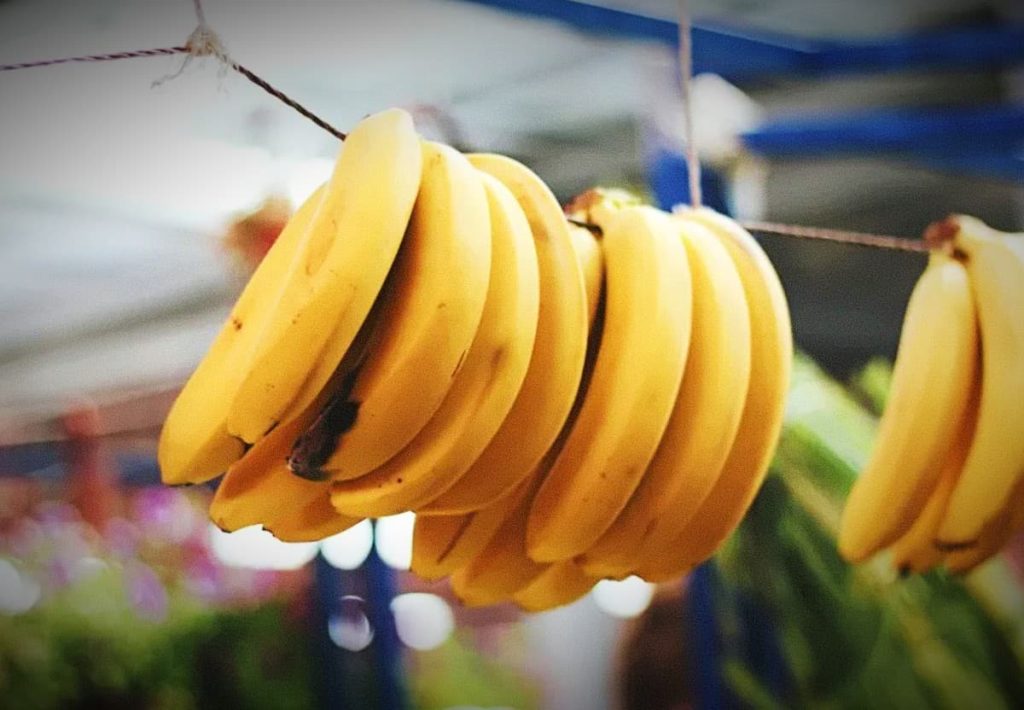
Determining How Many Bananas Per Day is Right for You
A medium banana contains about 27g of carbohydrates. While this is high-quality fuel, understanding how many bananas per day fit your lifestyle requires looking at your daily activity. To better understand how your overall carbohydrate and macronutrient intake impacts your daily wellness, explore our comprehensive guide on [How Much Protein Per Day? 5 Proven Science-Backed Steps for Optimal Health].
Evaluating your daily caloric expenditure and carbohydrate requirements is the foundation of effective nutritional planning. Because physical movement directly dictates how efficiently your muscles uptake circulating glucose, aligning your dietary intake with your activity levels ensures that every bite serves as purposeful physiological fuel rather than unburned storage.
For The Active Individual
For those with high energy demands, bananas act as “nature’s energy food,” providing quick-access glucose to fuel muscles and the brain during intense physical activity.
Athletes and physically active individuals can comfortably accommodate a higher fruit intake because their contracting skeletal muscles rapidly clear glucose from the bloodstream to replenish glycogen stores. This metabolic efficiency means that factoring how many bananas per day you consume around training windows can significantly enhance endurance, accelerate post-workout recovery, and prevent performance slumps.
For The Sedentary Desk Worker
If you spend most of your day sitting, one banana is likely enough. Excessive intake without physical activity can lead to a caloric surplus and gradual weight gain.
Adjusting your intake based on daily energy expenditure ensures that you harness the full nutritional value of the fruit without triggering surplus energy storage. Because metabolic efficiency fluctuates according to movement patterns, tailoring how many bananas per day you consume prevents unintended caloric creep and optimizes your overall energy balance.
The Maturation Hack: Green vs. Yellow
Not all bananas are created equal. Their biological composition changes significantly as they ripen:
Green Bananas (Less Ripe)
These are high in resistant starch and pectin. They act as prebiotics, feeding the beneficial bacteria in your gut. They have a lower glycemic index, making them a better choice for blood sugar control.
Because resistant starch resists enzymatic breakdown in the small intestine, it reaches the colon largely intact where fermentative bacteria transform it into short-chain fatty acids like butyrate. This crucial microbial nourishment strengthens the gut mucosal barrier and dampens systemic inflammation, proving that factoring how many bananas per day are less ripe can deliver profound gastrointestinal and metabolic advantages.
Yellow Bananas (Ripe)
As the fruit ripens, starch converts into simple sugars. These provide quicker energy but can cause sharper insulin spikes if eaten alone.
Recognizing how starch degradation impacts glycemic response empowers you to choose the ideal ripeness stage for your specific metabolic goals. Whether you prefer the prebiotic benefits of green varieties or the rapid digestion of yellow ones, monitoring how many bananas per day you eat at each stage helps maintain steady daily energy levels.
Smart Pairing: Avoiding the “Sugar Crash”
Because bananas lack significant protein and fat (less than 8% of their calories), eating them solo can lead to a quick energy boost followed by a crash.
Without the presence of satiating macronutrients to slow down the gastric emptying process, the naturally occurring sugars in a banana move rapidly into the bloodstream. This creates an immediate glycemic surge that forces the pancreas to secrete large amounts of insulin, potentially leading to a reactive hypoglycemic dip that leaves you feeling more fatigued than before you ate, regardless of how many bananas per day you consume.
Applying the “Pairing Rule”
To stabilize your blood sugar, nutritionists recommend the “Pairing Rule”: combine your banana with healthy fats or proteins.
Incorporating high-quality fats or complete proteins acts as a physical buffer, significantly decelerating the rate at which your digestive system processes the fruit’s carbohydrates. By integrating this simple strategic habit, you effectively mitigate insulin spikes and achieve long-lasting satiety, allowing you to seamlessly integrate how many bananas per day you desire into a sustainable, blood-sugar-conscious lifestyle.
Recommended Pairings
- Almond Butter: Adds healthy fats to slow down digestion.
- Greek Yogurt: Provides a protein punch to keep you fuller for longer.
- Walnuts: Offers omega-3 fatty acids and fiber for better satiety.
- Chia Seeds: Delivers a powerful blend of soluble fiber and plant-based omega-3s that form a gel-like consistency in the gut, further stabilizing glucose absorption.
- Cottage Cheese: Supplies a high concentration of slow-digesting casein protein, creating an ideal sustained-release matrix when paired with your fruit.
- Raw Pumpkin Seeds: Boosts your intake of essential minerals like magnesium and zinc while offering a satisfying crunch and extra healthy fats.
Introducing macronutrient balance to your snack time prevents the sharp insulin spikes that typically follow the consumption of high-carbohydrate fruits alone. By integrating fats or proteins into your routine alongside how many bananas per day you choose, you ensure prolonged satiety and protect your system from fatigue.
Clinical Precautions: When to Limit Intake
While safe for most, two specific groups should exercise caution regarding how many bananas per day they consume:
Kidney Health
A single banana packs about 422mg of potassium. For those with chronic kidney disease, the body may struggle to filter excess potassium, leading to Hyperkalemia (high blood potassium), which can interfere with heart rhythms.
When renal function is compromised, the kidneys lose their delicate ability to maintain electrolyte homeostasis, making dietary mineral management a matter of clinical urgency. Exceeding safe thresholds can lead to dangerous cardiac arrhythmias, highlighting why strict medical oversight regarding how many bananas per day are consumed is non-negotiable for anyone managing renal impairments.
Digestive Sensitivity
If you suffer from IBS, tracking how many bananas per day you eat is important, as they are a High-FODMAP food.
Respecting clinical boundaries and mineral thresholds is essential for individuals managing underlying renal or gastrointestinal conditions. Consulting a healthcare professional regarding how many bananas per day are safe ensures that your nutritional choices support therapeutic recovery rather than adding unnecessary physiological stress.
Strategy: Beyond the Banana
While bananas are nutritional powerhouses, a diverse diet is the foundation of health. After balancing your fruit intake, it is equally important to look at other morning rituals. For instance, understanding the effects of different morning beverages on your digestion can help you decide how to layer your nutrients for maximum impact.
To see how this fits into a broader health strategy, compare these tips with our guide on What Fasting Lemon Does to the Liver and Digestion. Furthermore, ensuring that your overall fruit and fiber intake aligns with your nutritional goals can be cross-referenced with our detailed insights on [5 Incredible Fruits Rich in Fiber for Gut Health & Digestion].
Diversifying your dietary architecture ensures you receive a broad spectrum of micronutrients that work synergistically across your body’s biological pathways. Balancing how many bananas per day you eat with other whole foods creates an optimal environment for sustained wellness, cellular defense, and metabolic longevity.
Navigating Dietary Choices Around How Many Bananas Per Day
The Impact of Glycemic Loads on Daily Energy
Nutritional experts frequently debate whether the natural sugars present in tropical fruits can trigger unwanted insulin fluctuations during sedentary periods. While some specialists emphasize the rapid availability of cellular fuel, the clinical consensus indicates that monitoring how many bananas per day you consume ensures a balanced glycemic load that protects long-term metabolic health.
Evaluating Individual Metabolic Adaptation Rates
Assessing how your body processes high-carbohydrate snacks requires a careful look at your baseline metabolic rate and overall physical conditioning. Because metabolic flexibility varies significantly from one person to another based on genetics, muscle mass, and daily activity levels, two individuals can process the exact same fruit serving with entirely different physiological outcomes. Recognizing your unique metabolic adaptation rate allows you to fine-tune how many bananas per day you ingest, ensuring your body efficiently utilizes the carbohydrates for cellular energy rather than storing them as excess fat.
Integrating Whole Foods Into Modern Diets
Balancing daily fruit consumption with other micronutrient-dense options creates a resilient nutritional framework, proving that understanding how many bananas per day fit your lifestyle is essential for lifelong vitality.
The Evolutionary Perspective on How Many Bananas Per Day
Ancestral Foraging Versus Modern Sedentary Habits
Anthropologists and clinical dietitians often analyze how our physiology adapted to seasonal fruit availability compared to our current year-round access in modern supermarkets. While some researchers argue that our biology remains optimized for high-carbohydrate foraging, modern lifestyles require stricter regulation regarding how many bananas per day to prevent chronic caloric surplus.
Understanding Cellular Utilization of Micronutrients
Ensuring that your daily cellular machinery receives adequate potassium and vitamins without overburdening your digestive system is a cornerstone of preventative medicine.
Optimizing Daily Nutritional Synergy
Pairing potassium-rich foods with healthy fats and lean proteins allows you to maximize nutrient absorption, reinforcing why calculating how many bananas per day you ingest transforms a simple snack into a strategic health choice.
FAQ: Quick Banana Facts
Is the sugar in bananas bad for you?
No. The 14g of sugar in a medium banana is intrinsic sugar, meaning it is naturally contained within the fruit’s fiber matrix. This is fundamentally different from the “added sugars” found in processed snacks.
Because the natural sugars are bound within a dense network of dietary fiber, they enter the bloodstream at a much slower and more controlled rate than refined sweeteners. Understanding how this matrix functions helps you evaluate how many bananas per day you can safely enjoy without risking rapid glycemic volatility.
Can I eat bananas at night?
Yes. Bananas contain Vitamin B6, which aids in the production of serotonin and dopamine, neurotransmitters that help regulate mood and can contribute to a more restful sleep.
Additionally, the natural magnesium and potassium found in bananas act as mild muscle relaxants, helping to calm your nervous system before bedtime. Incorporating an evening banana into your daily calculation of how many bananas per day you consume can surprisingly support better sleep hygiene.
Are frozen bananas less nutritious?
Freezing preserves most of the nutrients. Using frozen bananas for “nice cream” or smoothies is an excellent way to satisfy a sweet tooth while maintaining your fiber and potassium intake.
Flash-freezing harvested fruit locks in nearly all of its core vitamins and minerals at peak ripeness, ensuring zero nutritional degradation over time. This makes frozen storage a fantastic, convenient option when budgeting how many bananas per day you need for quick post-workout recovery or healthy meal prep.
Can diabetics safely eat bananas?
Yes, in moderation. Diabetics can incorporate bananas into their diet by choosing slightly less ripe, greenish fruit and pairing it with healthy fats or proteins to blunt any potential blood sugar spikes.
Careful portion control and carbohydrate tracking are paramount for anyone managing insulin resistance or diabetes. Monitoring how many bananas per day you consume—and opting for the higher resistant-starch green varieties—allows individuals with blood sugar concerns to enjoy the fruit safely.
Do bananas cause constipation or help prevent it?
Ripe bananas generally help prevent constipation due to their high fiber content, whereas unripe, green bananas contain higher levels of resistant starch and tannins, which can sometimes have a binding effect.
The maturation stage of the fruit dictates its impact on gastrointestinal transit time, making ripeness just as important as overall quantity. Keeping this detail in mind ensures that tracking how many bananas per day you eat aligns perfectly with your digestive health goals.
Medical Disclaimer: This content is for educational purposes only and does not constitute medical, nutritional, or professional advice. Always consult with a qualified healthcare provider before making any changes to your diet, health, or supplement routine. Use of any information provided on this site is solely at your own risk.
