Bananas are often called “nature’s perfect snack,” and for good reason. They are portable, pre-packaged, and loaded with essential nutrients like potassium and Vitamin B6. But as with any healthy food, the dose makes the medicine. If you are reaching for your third or fourth banana of the day, you might be curious: is there a limit?
According to a detailed nutritional breakdown from Healthline, most healthy adults can thrive on 1 to 2 bananas per day. However, the “ideal” number depends heavily on your activity level, kidney health, and how you pair the fruit.
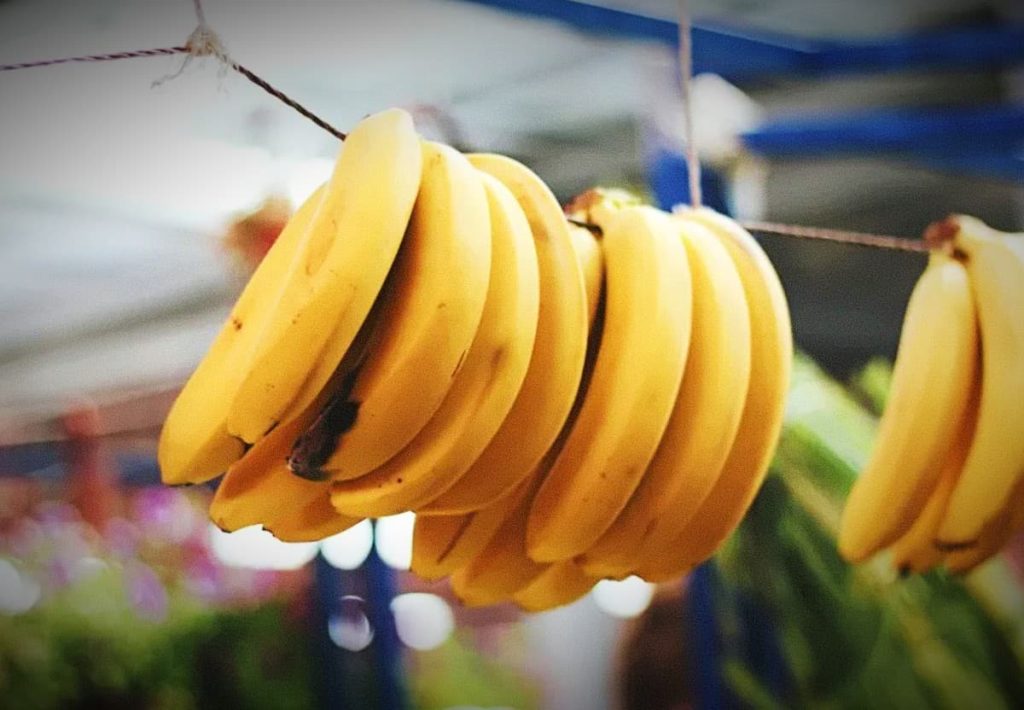
The Energy Equation: Matching Fruit to Movement
A medium banana contains about 27g of carbohydrates. While this is high-quality fuel, its impact on your body changes based on your lifestyle:
- The Active Individual: For those with high energy demands, bananas act as “nature’s energy food,” providing glucose to fuel muscles and the brain.
- The Sedentary Desk Worker: If you spend most of your day sitting, one banana is likely enough. Excessive intake without physical activity can lead to a caloric surplus and gradual weight gain.
The Maturation Hack: Green vs. Yellow
Not all bananas are created equal. Their biological composition changes as they ripen:
- Green (Less Ripe): These are high in resistant starch and pectin. They act as prebiotics, feeding the beneficial bacteria in your gut. They have a lower glycemic index, making them better for blood sugar control.
- Yellow (Ripe): As the fruit ripens, starch converts into simple sugars. These provide quicker energy but can cause sharper insulin spikes if eaten alone.
Smart Pairing: Avoiding the “Sugar Crash”
Because bananas lack significant protein and fat (less than 8% of their calories), eating them solo can lead to a quick energy boost followed by a crash. To stabilize your blood sugar, nutritionists recommend the “Pairing Rule”:
- Combine your banana with healthy fats or proteins, such as almond butter, Greek yogurt, or a handful of walnuts. This slows down the absorption of sugar and keeps you fuller for longer.
Clinical Precautions: When to Limit Intake
While safe for most, two specific groups should exercise caution:
- Kidney Health: A single banana packs about 422mg of potassium. For those with chronic kidney disease, the body may struggle to filter excess potassium, leading to Hyperkalemia (high blood potassium), which can interfere with heart rhythms.
- Digestive Sensitivity: Bananas are considered a High-FODMAP food. If you suffer from IBS or bloating, eating multiple bananas daily might cause gas or GI discomfort.
Strategy: Beyond the Banana
While bananas are nutritional powerhouses, a diverse diet is the foundation of health. After balancing your fruit intake, it is equally important to look at other morning rituals. For instance, understanding “What Fasting Lemon Does to the Liver and Digestion“ can help you decide how to layer your morning nutrients for maximum impact.
FAQ: Quick Banana Facts
Is the sugar in bananas bad for you? No. The 14g of sugar in a medium banana is intrinsic sugar, meaning it is naturally contained within the fruit’s fiber matrix. This is fundamentally different from the “added sugars” found in processed snacks.
Can I eat bananas at night? Yes. Bananas contain Vitamin B6, which aids in the production of serotonin and dopamine, neurotransmitters that help regulate mood and can contribute to a more restful sleep.
Are frozen bananas less nutritious? Freezing preserves most of the nutrients. Using frozen bananas for “nice cream” or smoothies is an excellent way to satisfy a sweet tooth while maintaining your fiber and potassium intake.
