In the world of nutrition, few elements are as transformative for the human body as dietary fiber. Often celebrated for its ability to “keep things moving,” fiber’s impact extends far beyond simple digestion. From stabilizing blood sugar and lowering cholesterol to supporting hormone metabolism and feeding the gut microbiome, fiber-rich fruits are nutritional powerhouses.
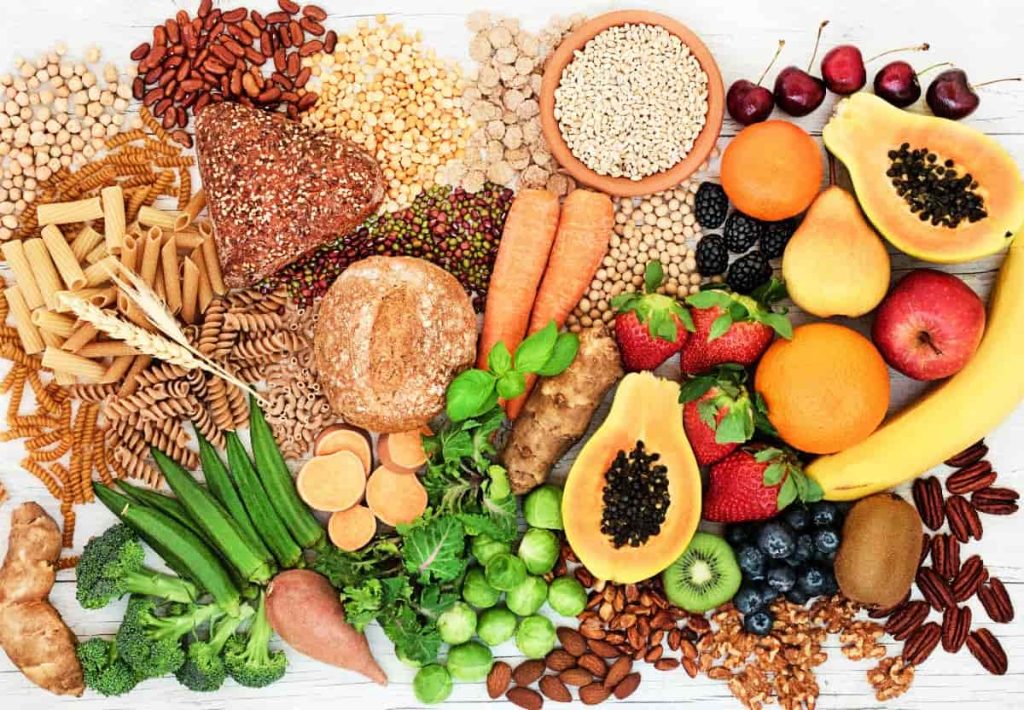
The Science of Fiber: Why Your Body Needs It
Unlike other carbohydrates that the body breaks down into glucose for energy, fiber remains largely undigested. It passes through the stomach and small intestine relatively intact until it reaches the colon. According to the Mayo Clinic’s guide on dietary fiber, this nutrient is categorized into two main types:
- Soluble Fiber: Dissolves in water to form a gel-like substance. It is instrumental in lowering blood cholesterol and glucose levels. You can find high concentrations in apples, citrus fruits, and bananas.
- Insoluble Fiber: Does not dissolve in water. It promotes the movement of material through your digestive system and increases stool bulk, making it a primary remedy for constipation. This type is prevalent in fruit skins and seeds, such as those in pears and berries.
The 2026 “Fiber Gap”
Despite its benefits, most adults consume only about 15 grams of fiber daily. However, the National Academy of Medicine recommends 25 to 38 grams per day depending on age and biological sex. Incorporating just two cups of high-fiber fruit daily can cover more than 50% of this requirement.
Top High-Fiber Fruits for Your Daily Routine
Not all fruits are created equal when it comes to fiber content. If you are looking to optimize your gut health, prioritize these “fiber champions”:
| Fruit | Serving Size | Fiber Content | Key Benefit |
| Passion Fruit | 1 Cup | 24g | Highest fiber density; rich in antioxidants. |
| Avocado | 1 Medium | 10g | High in healthy fats and potassium. |
| Guava | 1 Cup | 9g | Massive Vitamin C boost alongside fiber. |
| Raspberries | 1 Cup | 8g | Low sugar; high in quercetin and anthocyanins. |
| Blackberries | 1 Cup | 7.5g | Excellent for gut microbiome diversity. |
| Pear (with skin) | 1 Medium | 6g | Perfect balance of soluble and insoluble fiber. |
Beyond Digestion: Heart Health and Hormones
The benefits of a high-fiber fruit diet are systemic. Harvard Health Research explains that soluble fiber interferes with bile acid production. By binding to these acids and excreting them, the liver is forced to pull cholesterol from the blood to create more, effectively lowering your “bad” LDL cholesterol.
Furthermore, fiber plays a critical role in hormonal balance. It aids in the detoxification of estrogen, which is particularly beneficial for those managing conditions like PCOS or navigating perimenopause. By preventing insulin spikes, fiber also helps manage appetite and reduces the risk of Type 2 diabetes.
Strategic Pairings for Maximum Absorption
To turn your fruit bowl into a medical-grade meal, consider adding these boosters:
- Chia Seeds: One tablespoon adds 4.1g of fiber.
- Almonds: One ounce provides 3.5g of fiber and healthy proteins.
- Internal Link: If you want to dive deeper into how these nutrients interact with other food groups, check out our guide on 8 foods with more iron than red meat to see how plant-based diets can fully sustain your energy levels.
Important Safety Tip: The “Slow and Steady” Rule
While it may be tempting to overhaul your diet overnight, nutritionists warn against increasing fiber too quickly. A sudden surge can lead to bloating, gas, and abdominal cramping.
- Increase Gradually: Add one serving of high-fiber fruit every few days over a two-week period.
- Hydrate, Hydrate, Hydrate: Fiber acts like a sponge. Without adequate water, it can actually cause constipation instead of relieving it.
- Keep the Skin: Whenever possible, eat the peel. A peeled apple or pear loses nearly half of its fiber content and most of its insoluble benefits.
FAQ: Common Questions
Does fruit juice provide the same fiber as whole fruit?
No. The juicing process removes the pulp and skin, where the vast majority of fiber resides. Juice provides the sugar (fructose) without the “fiber brake” that slows its absorption.
Are frozen fruits as healthy as fresh ones?
Yes! Frozen fruits like raspberries and blackberries are picked at peak ripeness and flash-frozen, preserving both their fiber and antioxidant levels.
I have diverticulosis; can I eat berries with seeds?
Recent clinical data has largely debunked the myth that seeds cause diverticulitis. In fact, the fiber found in berry seeds is now considered protective for the colon wall, though you should always consult your doctor during an active flare-up.
