Most people believe a great tomato sauce depends on rare ingredients or some hidden Italian technique. The truth is much simpler — and far more interesting.
A memorable tomato sauce is built on balance, not complexity. Balance between acidity, fat, and, most importantly, time. That’s why two sauces made with nearly identical ingredients can taste completely different.
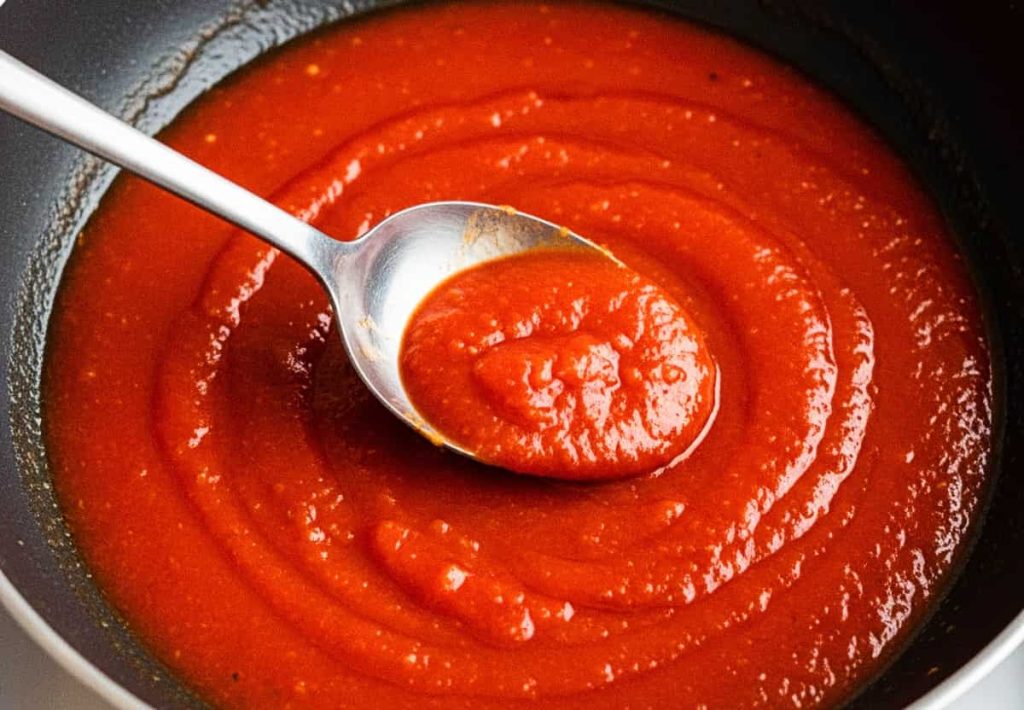
Choosing the Right Tomatoes (It’s Not What You Think)
Fresh tomatoes, when in season, deliver brightness and aroma that canned tomatoes can’t fully replicate. They bring a lively acidity that makes a sauce feel fresh and vibrant. Canned tomatoes, especially whole peeled varieties, offer consistency and depth.
The real mistake isn’t choosing fresh or canned — it’s not adjusting the cooking time to match the tomatoes you’re using.
Why Starting with Oil, Garlic, and Onion Matters
Before tomatoes ever hit the pot, garlic and onion should gently soften in olive oil. This isn’t about browning. It’s about releasing natural sugars without creating bitterness. When this base is done right, the entire sauce gains depth.
A splash of white wine or a small spoon of tomato paste can help build complexity, but neither should overpower the tomato itself.
The One Thing Most Recipes Never Explain: Time Changes Flavor
Here’s the detail almost no one talks about: time is a chemical ingredient. The duration of your simmer doesn’t just change the thickness; it fundamentally alters how your brain perceives the flavor profile of the tomatoes.
- Short-simmered sauces taste sharper and more acidic because organic acids remain volatile and bright. This is ideal for light pasta dishes where you want a “fresh” tomato hit.
- Long-simmered sauces taste naturally sweeter, even without added sugar, as water evaporates and sugars concentrate. This chemical transformation is exactly what makes the best slow-cooked Italian-American tomato sauces so rich and addictive—the extended time allows the tomatoes to move past their raw acidity into a deep, jammy sweetness.
The Specialist’s Nuance: The “Umami” Boost
While everyone focuses on acidity, professional chefs look for Umami. Tomatoes are naturally rich in glutamates, but there is a secret to intensifying this “savory” depth without adding heavy spices.
The Pro Tip: Add a small parmesan rind (the hard end of the cheese) to the sauce while it simmers. The rind doesn’t melt, but it releases deep, savory notes that balance the tomato’s acidity perfectly. Just remember to remove it before serving! This is why a sauce simmered for 40 minutes with a rind often beats a 4-hour sauce made without one.
This is also why pizza sauces benefit from longer cooking, while light pasta sauces shine with shorter simmer times. If you find yourself making a large batch of long-simmered sauce to save for later, understanding the cooling process is key. Make sure to check our safe guide to cooling and freezing hot food to ensure that concentrated sweetness doesn’t develop “off” flavors during storage.
📱 Visual Guide: See how time transforms your sauce.
Olive Oil or Butter? It’s About Texture, Not Rules
Olive oil brings freshness and aroma.
Butter, used sparingly, softens acidity and creates a silkier texture.
There’s no right or wrong choice — only intention.
When You Add Herbs Changes Everything
Fresh herbs like basil should be added at the very end. Extended cooking destroys their aromatic oils and dulls flavor. Dried herbs, such as oregano, perform better earlier in the process, slowly releasing flavor as the sauce simmers.
One Sauce, Endless Possibilities
This tomato sauce works as a base for:
- pasta
- lasagna
- pizza
- meat dishes
- or simply bread and olive oil
It freezes well, adapts easily, and improves with practice. A great tomato sauce isn’t a rigid recipe — it’s a flexible foundation.
What Really Makes a Tomato Sauce Unforgettable
It’s not the ingredient list.
It’s not the tomato variety.
It’s not even tradition.
It’s knowing when to stop, when to wait, and when to adjust.
And then letting the tomatoes do the rest.
FAQ — What Really Makes a Great Tomato Sauce?
What is the most important factor in a great tomato sauce?
Balance. A memorable tomato sauce depends on the balance between acidity, fat, and cooking time. Time, in particular, plays a crucial role in transforming sharp acidity into natural sweetness.
Do fresh tomatoes make better sauce than canned tomatoes?
Not necessarily. Fresh tomatoes offer brightness and aroma when in season, while canned tomatoes provide consistency and depth. The key is adjusting cooking time to suit the type of tomato used.
Why does simmering time change the flavor so much?
Short simmer times preserve acidity, making the sauce taste brighter and sharper. Longer simmering reduces water content and concentrates natural sugars, resulting in a sweeter, deeper flavor without adding sugar.
Is adding sugar to tomato sauce necessary?
Usually no. Sugar is only helpful in fast-cooked sauces where acidity hasn’t had time to mellow. Long-simmered sauces naturally develop sweetness through evaporation and sugar concentration.
Why start tomato sauce with oil, garlic, and onion?
Gently cooking garlic and onion in olive oil releases natural sugars and builds a flavorful base. This step adds depth to the sauce without introducing bitterness from browning.
Should tomato sauce be cooked with olive oil or butter?
Both work. Olive oil adds freshness and aroma, while a small amount of butter softens acidity and creates a silkier texture. The choice depends on the desired mouthfeel, not strict rules.
When should herbs be added to tomato sauce?
Fresh herbs like basil should be added at the end to preserve aroma. Dried herbs perform better earlier in the cooking process, slowly releasing flavor during the simmer.
Why do two sauces with the same ingredients taste different?
Differences in heat, cooking time, fat choice, and when ingredients are added dramatically affect flavor perception — even if the ingredient list is nearly identical.
Is a great tomato sauce about tradition or technique?
Technique matters more than tradition. Understanding timing, balance, and sensory changes allows the tomatoes themselves to shine, regardless of regional style.
