When taking GLP-1 receptor agonists, the conversation often centers on what you can’t eat. However, clinical success in 2026 isn’t just about calorie restriction—it’s about nutrient density. Because these medications slow gastric emptying and quiet “food noise,” you will be eating significantly less. This makes every bite a critical medical decision for your muscle mass, skin elasticity, and energy levels.
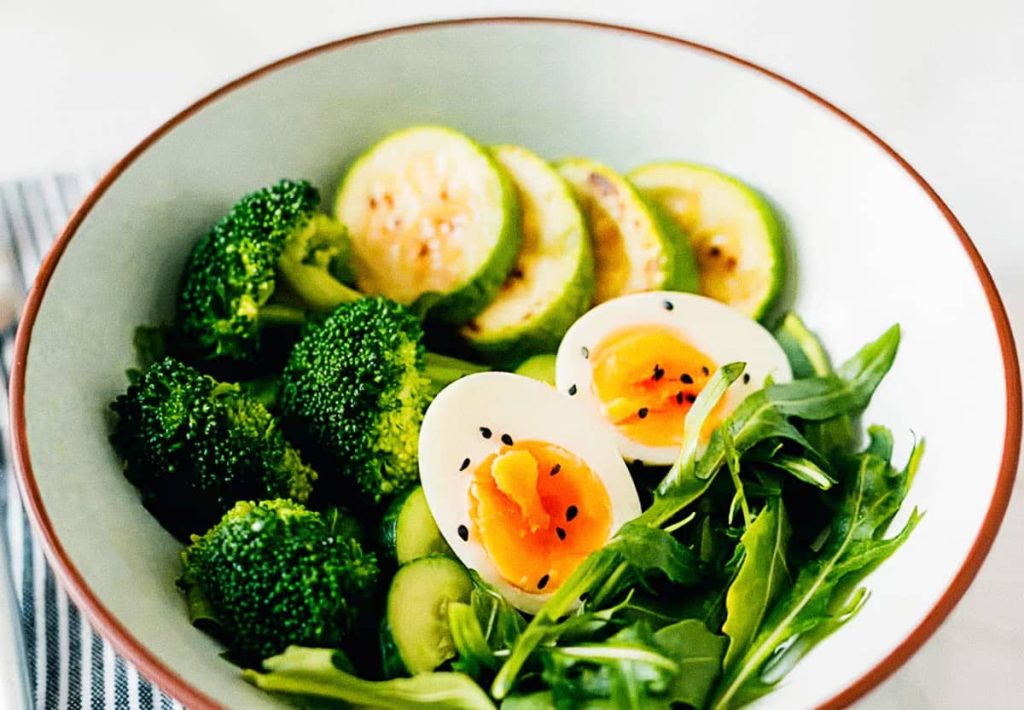
The Hierarchy of the Plate: Eat in This Order
To maximize absorption before you feel full, follow this sequence at every meal. This ensures your body receives vital nutrients before the medication’s satiety signal kicks in:
- Proteins First: Aim for 1.0 to 1.5g of protein per kg of body weight. This is the only way to prevent “Ozempic Face” and muscle wasting.
- Non-Starchy Vegetables: Fiber is your best defense against the common side effect of constipation.
- Healthy Fats: Necessary for brain health and hormone production.
- Complex Carbs: Last, and only if you are still hungry.
For a comprehensive list of exactly which foods to prioritize and which to avoid to minimize nausea and bloating, refer to this clinical guide: GLP-1: Foods to Limit and Prioritize.
The MEAL Plan: A 4-Pillar Strategy
Medical experts from JAMA suggest the MEAL framework to navigate your first few months:
- M — Muscle Maintenance: Prioritize 20–30g of protein per meal. If your appetite is too low for solid food, utilize high-quality protein shakes with at least 20g of protein.
- E — Energy Balance: Avoid “crashes” by choosing slow-digesting carbohydrates like sweet potatoes or steel-cut oats. These provide steady energy without the glucose spikes that interfere with the medication.
- A — Avoid Side Effects: To prevent heartburn and “sulfur burps,” avoid lying down for 2 to 3 hours after eating. Steer clear of deep-fried, spicy, or highly acidic foods.
- L — Liquid Intake: GLP-1s can blunt your thirst mechanism. Aim for 2 to 3 liters of water daily. Include water-rich foods like cucumber and watermelon to stay hydrated.
Protecting Your Metabolism
A common mistake is falling into “accidental starvation.” If you eat fewer than 1,200 calories daily, you risk hair loss, fatigue, and gallstones. Even if you aren’t hungry, focus on small, nutrient-dense snacks like Greek yogurt, a handful of almonds, or a hard-boiled egg.
Understanding your specific protein needs is the most important part of this journey. To calculate your personalized targets, see our guide: The Protein Equation: Decoding Individual Macronutrient Requirements.
GLP-1 Survival Checklist
| Goal | The Strategy | Why? |
| Beat Nausea | Ginger tea & cold, bland foods | Reduces gastric irritation. |
| Prevent Muscle Loss | 100g+ Protein & Strength Training | GLP-1s target both fat and muscle equally. |
| Avoid Bloating | Limit carbonation and sugar alcohols | Slow digestion traps gas in the GI tract. |
| Manage Constipation | 35g+ Fiber & consistent hydration | Keeps the digestive system moving. |
FAQ: Navigating Your New Diet
1. Can I drink alcohol on GLP-1s?
It is best to limit intake. Both alcohol and GLP-1s affect liver metabolism, and many patients find their tolerance for alcohol drops significantly, often causing increased nausea or “hangxiety.”
2. Are “Zero-Carb” diets recommended?
Not necessarily. While refined carbs are discouraged, complex carbs are essential for the fiber they provide. Total elimination can lead to severe constipation.
3. What if I’m a vegetarian?
It is possible, but you must be diligent. Prioritize tofu, tempeh, and seitan. Since plant proteins are often less dense, you may need a high-quality pea or soy protein supplement to reach your 1.5g/kg goal.
The Bottom Line: Your diet on a GLP-1 should be a “pro-muscle” and “pro-gut” protocol. By prioritizing protein and staying hydrated, you transform the medication from a temporary weight-loss tool into a long-term metabolic upgrade. Focus on quality, eat slowly, and listen to your body’s new, quieter signals.
