I used to think that fresh vegetables were always the gold standard. But after digging into the science—and testing frozen vegetables in my own kitchen—I realized things aren’t quite that simple. When we analyze frozen vs fresh vegetables, the “freshness” we see in supermarkets is often a nutritional illusion. Depending on timing, storage, and preparation, frozen veggies can sometimes outshine fresh ones. Let’s explore what this means for your metabolic health.
Why Fresh Isn’t Always Fresh
When we grab vegetables from the grocery store, it’s easy to assume they’re at peak nutrition. In reality, fresh produce often travels hundreds of miles before reaching your fridge. This is where the debate of frozen vs fresh vegetables begins to lean in favor of the freezer due to the long supply chain and the time spent on transport.
The Nutrient Degradation Timeline
During transit and storage, key nutrients like vitamin C and folate start to degrade. For example, broccoli and spinach can lose up to 75% of their vitamin C within just a week after harvest. Unless you are eating local, freshly harvested vegetables consumed quickly after picking, you are likely consuming a “fading” nutritional profile.
The Nutritional Edge of Frozen Vegetables
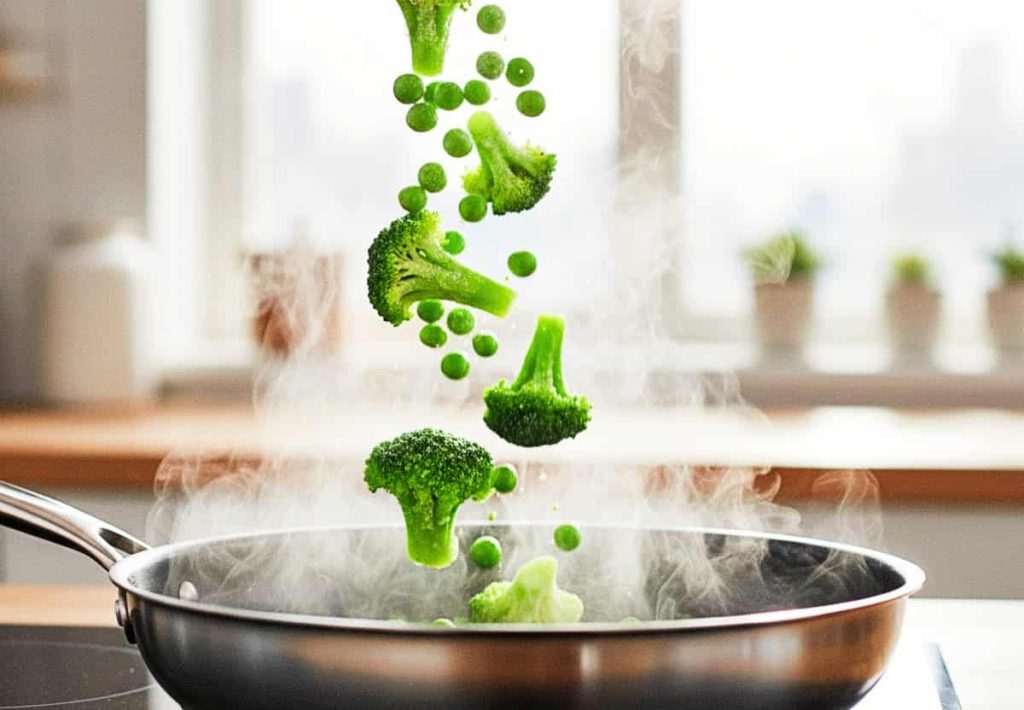
Frozen vegetables are harvested at peak ripeness, cleaned, and flash-frozen almost immediately. This process locks in nutrients, color, and flavor.
Extensive research comparing fresh and frozen produce shows that frozen green beans, carrots, peas, and spinach often retain more vitamin C and folate than fresh produce that’s been stored for several days. (Insira seu link externo nesta frase em negrito).
Better Retention of Vitamins
Extensive research comparing frozen vs fresh vegetables shows that frozen green beans, carrots, peas, and spinach often retain more vitamin C and folate than fresh produce that’s been stored for several days.
Convenience and Waste Reduction
Frozen vegetables also offer convenience: they’re pre-washed, chopped, and ready to cook. This reduces food waste and makes it easier to hit the recommended daily servings of fiber and micronutrients.
The Specialist’s Nuance: The “Blanching” Paradox
Most people don’t realize that almost all frozen vegetables undergo a process called blanching before being frozen. They are briefly plunged into boiling water and then icy water.
The Pro Tip for Maximum Nutrition
As a nutritional biologist, I focus on enzymatic stabilization. While blanching causes a minor initial loss of water-soluble vitamins, it deactivates the enzymes that would otherwise destroy flavor and nutrition during storage. To maximize your health ROI, avoid boiling frozen veggies at home. Instead, microwave them with a tablespoon of water or steam them. This prevents a “double loss” of nutrients!
Canned Vegetables: An Often Overlooked Option
Canned vegetables get a bad rap, but they can be surprisingly nutritious. While the focus of metabolic health is usually on frozen vs fresh vegetables, canned options also offer unique nutritional benefits, such as increased bioavailability of lycopene in tomatoes due to the heat processing. Just watch for added salt or sugar and prioritize low-sodium options.
Cooking Techniques and Metabolic Impact
How you cook vegetables has a huge impact on nutrition.
- Frozen vegetables: They cook faster because they are pre-blanched. Add them toward the end of cooking for the best results.
- Safety Note: If you like to meal prep, check out our safe guide to freezing hot food to ensure you maintain the best flavor and safety standards.
FAQ – Frozen vs. Fresh Vegetables
1. Are frozen vegetables as nutritious as fresh vegetables?
Yes! In many cases, because they are flash-frozen at the source, they retain higher levels of vitamins than “fresh” produce that has spent days in transport.
2. Do frozen vegetables taste worse than fresh?
Not necessarily. Flash-freezing preserves cellular structure. Bitterness or “mushiness” is usually a result of overcooking at home rather than the freezing process itself.
3. Is one type of vegetable always better than the others?
No. The best diet involves variety. Use fresh for seasonal salads and frozen for consistent, year-round nutrition in soups and stir-fries.
The Bottom Line: It’s About Balance
The frozen vs fresh vegetables debate shouldn’t be about guilt, but about making informed choices for your lifestyle and health goals. Science shows that frozen options are nutritionally strong, convenient, and cost-effective. Whether fresh, frozen, or canned, the goal is plating up your vegetables and eating them regularly.
Medical Disclaimer: The information on The NutriDeep is for educational purposes only. Nutrition science is an evolving field; always consult a healthcare professional for personalized dietary advice.
