Does whey protein cause acne? For many fitness enthusiasts, the journey to a stronger physique often comes with an unwanted passenger: persistent skin breakouts. While whey protein is widely regarded as a staple for muscle protein synthesis, a growing body of dermatological research suggests it may be a primary trigger for adult acne. If you’ve noticed a correlation between your post-workout shake and new flare-ups, you aren’t imagining it. Here is the science behind the hormonal connection.
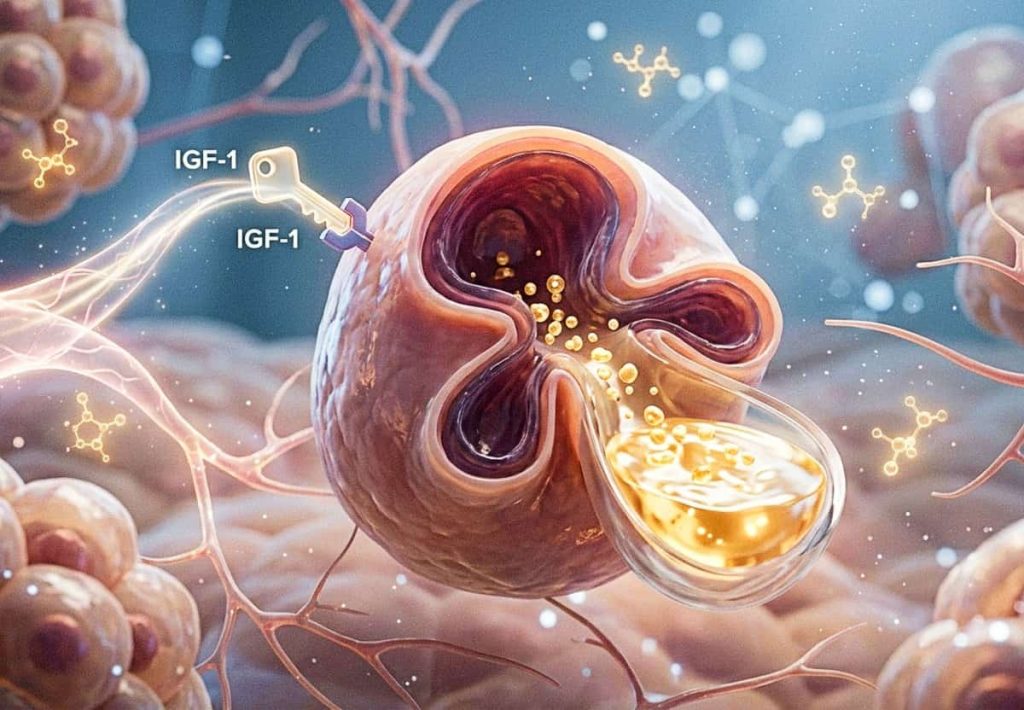
1. The Hormonal Hijack: IGF-1 and Sebum Overdrive
Many readers come to us asking: does whey protein cause acne definitively, or only in specific cases? The answer lies in individual hormonal sensitivity. When whey consumption is frequent, it keeps IGF-1 levels constantly elevated, preventing the skin from completing its natural regeneration cycle and effectively turning a fitness supplement into a persistent inflammatory trigger.
How Insulin Spikes Affect Your Skin
According to clinical reviews, whey protein is highly insulinotropic. This means it causes a rapid spike in insulin, which subsequently raises IGF-1 levels. While IGF-1 is excellent for repairing muscle tissue, it acts as a “chemical green light” for your skin’s sebaceous glands.
The Mechanism of Clogging
- Oil Overproduction: High IGF-1 levels signal your pores to produce excessive sebum (oil).
- Hyperkeratinization: It accelerates the production of skin cells (keratinocytes), which mix with excess oil to plug your pores.
2. The Androgen Spike: Fueling the Fire
Beyond insulin, whey protein has been observed to influence androgens—the hormones like testosterone that govern oil gland activity.
Impact on Hormonal Sensitivities
Clinical observations indicate that whey can stimulate the adrenal glands to produce more androgens. This is particularly problematic for individuals with hormonal sensitivities, such as those with PCOS, as it shifts the skin’s chemistry into a pro-acne state that topical treatments often struggle to combat.
3. The “Genetic Loaded Gun” Theory
Not everyone who consumes whey will experience breakouts. Genetics play a massive role; nearly 81% of acne sufferers have a family history of the condition.
When analyzing family history, it becomes clear that genetic predisposition is the determining factor. If you are wondering does whey protein cause acne in people with no history of skin issues, the answer is that, for them, the metabolic system can neutralize insulin spikes more efficiently. However, for the majority of the population with a predisposition, the risk remains both real and measurable.
Triggering Pre-existing Conditions
Think of your genetics as a loaded gun and whey protein as the trigger. If your skin is naturally prone to clogged pores, the hormonal surge from dairy-based proteins provides the exact biological environment needed for severe breakouts.
4. The Gut-Skin Axis: Inflammation from Within
Modern research into the Gut-Skin Axis suggests that acne is rarely just a surface issue.
Dysbiosis and Systemic Inflammation
For the 65% of the population with some level of dairy or lactose sensitivity, whey protein can cause low-grade intestinal inflammation, known as dysbiosis. This systemic inflammation “leaks” into the bloodstream and manifests on the face, back, and shoulders as painful, cystic acne.
5. The Hidden Risk: Adulterated Supplements
A major concern in the supplement industry is protein spiking or contamination.
The Dangers of Steroid Contamination
Some products marketed for rapid muscle gain have been found to contain unlisted anabolic steroids or precursors. These substances skyrocket androgen levels, leading to what dermatologists call “steroid acne”—aggressive, widespread breakouts that are resistant to standard treatments.
Strategic Alternatives for Clearer Skin
If you suspect whey is ruining your complexion, you don’t have to sacrifice your gains. Consider these alternatives that do not trigger the same IGF-1 spike:
- Beef Protein Isolate: Offers a high DIAAS Score without dairy-derived hormonal triggers.
- Egg White Protein: A complete, bioavailable source that is naturally lactose and hormone-free.
- Pea & Rice Blends: Hypoallergenic options that support muscle growth while keeping insulin levels stable.
Before concluding, it is important to emphasize that the common question does whey protein cause acne should not discourage you from pursuing high-performance nutrition, but rather encourage you to select protein sources that respect your individual biology.
Frequently Asked Questions (FAQ)
Does “Whey Isolate” cause less acne than “Concentrate”?
Not necessarily. While Isolate has less lactose, it still contains the bioactive proteins that spike IGF-1. If your acne is hormonal, Isolate will likely cause the same breakouts as Concentrate.
How long after stopping whey will my skin clear up?
Most users report a noticeable reduction in inflammation within 2 to 3 weeks of elimination, though deep cystic acne may take a full skin cycle (28–40 days) to heal completely.
Can I counteract whey-induced acne with better skincare?
Skincare helps manage the surface, but it cannot “turn off” the internal hormonal signal sent by IGF-1. For most, removing the trigger is significantly more effective than using expensive topical serums.
Does Whey Protein Cause Acne? Unraveling the Hormonal Connection
Disclaimer: The information provided in this article is for educational purposes only and is based on dermatological and nutritional research. This content does not constitute medical advice, diagnosis, or treatment. Always seek the advice of your dermatologist, physician, or a qualified healthcare provider regarding acne or any other medical conditions. Do not disregard professional medical advice because of information read here.
For many fitness enthusiasts, the journey to a stronger physique often comes with an unwanted passenger: persistent skin breakouts. While whey protein is widely regarded as a staple for muscle protein synthesis, a growing body of dermatological research suggests it may be a primary trigger for adult acne. If you’ve noticed a correlation between your post-workout shake and new flare-ups, you aren’t imagining it. Here is the science behind the “Whey-Acne” connection.
