Does heat destroy protein? This is a question many fitness enthusiasts ask, but the truth is that while the nutritional integrity remains largely intact, the physical properties change significantly when introduced to high temperatures.
The belief that heat “destroys” protein is one of the most persistent myths in the fitness world. If heat rendered protein useless, a cooked steak would have the same nutritional value as a glass of water.
However, while heat won’t steal your gains, it can absolutely ruin your breakfast. When you mix protein powder with hot liquids, you aren’t facing a nutritional crisis, but a physical and sensory one.
As noted in the comprehensive guide by Javvy, commercial protein powders are designed to withstand temperatures up to 180°F (82°C). Understanding the science of what happens above that threshold will help you save your supplements from becoming a clumpy, “cardboard-flavored” mess.
As noted in the comprehensive guide by Javvy, commercial protein powders are designed to withstand temperatures up to 180°F (82°C). However, understanding the science of what happens above that threshold can help you save your supplements from becoming a clumpy, “cardboard-flavored” mess.
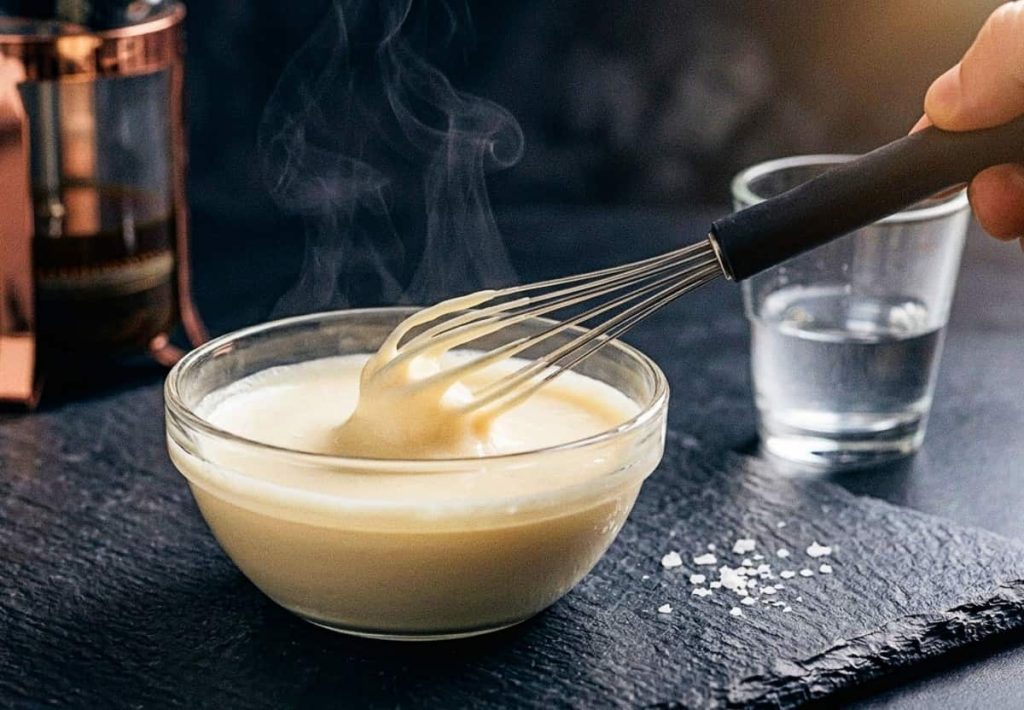
Does Heat Destroy Protein? The Science of Denaturation
Protein molecules are like complex, 3D origami structures. When you add heat, these structures “unfold”—a process scientists call denaturation.
Decoding the Molecular Shift
- The Molecule: Think of a protein as a knotted rope. The “knots” are amino acids.
- The Effect: Heating the protein unties the knots (the 3D shape), but it does not break the peptide bonds of the rope itself.
Digestion Benefits
Your body still receives the exact amino acid profile it needs. In fact, denatured protein is often easier to digest because the “unfolding” has already done part of the preparatory work for your digestive enzymes.
The “Wallpaper Paste” Effect and Solubility Issues
The real danger is not nutritional loss, but solubility. Whey protein is highly sensitive to rapid temperature changes.
The 167°F Pivot Point
Research in the Journal of Dairy Research suggests whey begins to lose its ability to stay smoothly dissolved once it crosses 167°F (75°C).
Avoiding the Clump of Doom
When you drop a scoop of whey into boiling water, the outer layer denatures instantly. This creates a waterproof “shell” around the dry powder inside, leading to rubbery clumps that feel like wallpaper paste.
Flavor Forensics: Sulfur, Lecithin, and Acid
Heat often hijacks the intended flavor profile of your supplements through chemical reactions.
Oxidization and Off-Flavors
Professional studies show that heating Whey Protein Isolate (WPI) to 185°F consistently increases sulfur and “eggy” notes. Furthermore, many powders are “instantized” with lecithin; when heated, this fat can oxidize, producing off-flavors that taste like wet hay or cucumber.
The Acid-Protein Clash
Adding protein to highly acidic hot coffee can trigger the production of Dimethyl Disulfide (DMDS), creating a “brothy” savory taste that clashes severely with your vanilla or chocolate flavoring.
Debunking the Myth: Does Heat Destroy Protein Bioavailability?
A common point of confusion for athletes is whether the process of denaturation negatively impacts how the body absorbs amino acids. When we ask, does heat destroy protein bioavailability, we must distinguish between the physical structure and the chemical content.
From a nutritional standpoint, your digestive system is designed to denature proteins anyway. When protein reaches the acidic environment of your stomach, the acid causes the protein to unfold, much like heat does on the stove. Therefore, when you wonder, does heat destroy protein to the point of making it useless, the answer is a definitive “no.” In many cases, heating your protein sources—whether through cooking or mixing into warm liquids—acts as a pre-digestion step. Your body still gets the full spectrum of essential amino acids required for muscle protein synthesis, provided you haven’t burned the protein to a crisp, which would degrade the nutrient profile through excessive carbonization.
How to Mix Hot Protein Like a Pro
To keep your macros intact and your drink smooth, follow these evidence-based techniques:
- The Slurry Method: Never add powder directly to hot liquid. Mix your scoop with 2 tablespoons of room-temperature water or milk first to create a smooth “paste.” Then, slowly stir that paste into your hot coffee.
- The “Off-the-Boil” Rule: For protein oatmeal, cook the oats first. Take them off the heat, let them cool for at least 60 seconds, and then fold the powder in.
- Baking Protocol: Bake protein bars at 225°F (107°C) instead of 350°F. It takes longer, but prevents the protein from becoming rubbery and dry.\
Understanding the nuances of temperature control is key to consistent supplementation. Many people mistakenly conclude that heat causes a massive loss in quality, leading them to ask, does heat destroy protein before they even attempt to mix it into their morning coffee. By utilizing the “slurry method” or the “off-the-boil” rule, you maintain the structural integrity of your supplement while enjoying the sensory benefits of a warm beverage. Mastering these techniques ensures that you are optimizing your intake without sacrificing the flavor or texture of your preferred protein source.
FAQ: Keeping Your Supplements Smooth
1. Does heat destroy protein or lower the biological value of my whey? No. You would need to heat whey at 250°F (121°C) for over 80 minutes before the amino acid profile takes a significant hit.
2. Can I microwave my protein shake? Yes, but do it in 30-second bursts and stir in between. This prevents “hot spots” from reaching the clumping threshold.
3. Is Casein better for hot recipes than Whey? Yes. Casein is more heat-stable and acts as a creamy thickener (ideal for soups), whereas whey tends to turn into rubbery balls when overheated.
4. Why does my protein coffee taste like cardboard? This is likely due to the combination of heat and acidity accelerating lipid oxidation. Using a Whey Isolate instead of a concentrate can reduce this, as isolates have fewer fats and minerals to react with.
5. How do my protein needs change with my activity level? While heat doesn’t change the protein count, your training intensity does. To see how to calculate your specific requirements, refer to our guide: The Protein Equation: Decoding Individual Macronutrient Requirements.
6. Final Considerations on Nutritional Integrity Many readers still hesitate, wondering does heat destroy protein during the baking or heating process. Scientific consensus confirms that for standard culinary temperatures, the answer remains a firm no. As long as you avoid extreme, prolonged temperatures, the macronutrient content stays stable. If you ever find yourself questioning, does heat destroy protein while preparing a post-workout meal, remember that consistency in your total daily intake far outweighs the minor temperature-related changes in your whey structure. Finally, regarding the common debate—does heat destroy protein more in isolates than concentrates—the differences are negligible for the average athlete.
Advanced Manufacturing: Why Modern Proteins Resist Heat
When fitness enthusiasts ask, does heat destroy protein, they often base their fears on older, lower-quality supplement production methods. However, the industry has evolved.
The Evolution of Whey Processing
Modern filtration techniques, such as Cross-Flow Microfiltration (CFM), have fundamentally changed the landscape. Unlike older ion-exchange methods that used harsh chemicals and extreme pH changes, CFM uses cold-temperature ceramic membranes.
- Structural Integrity: By using cold processing, manufacturers ensure the protein remains in its native state before it ever reaches your shaker bottle.
- Thermal Tolerance: Because these proteins start as “undamaged” structures, they possess a higher threshold for thermal stress.
This is why, when you wonder, does heat destroy protein while you are stirring your morning coffee, you are actually utilizing a high-performance, cold-processed nutrient that was specifically engineered for better stability than the products available a decade ago.
Disclaimer: The information provided in this article is for educational purposes only and does not constitute medical or nutritional advice. Always consult with a healthcare professional before making significant changes to your nutrition.
