Understanding creatine water temperature is essential for any athlete looking to optimize their supplement routine. Whether you are mixing your daily dose in a shaker bottle at the gym or stirring it into a morning beverage, the liquid’s thermal state plays a role in solubility. In this guide, we break down why your choice of creatine water temperature—cold, hot, or warm—matters, and how the 15-minute rule ensures you get the most out of every scoop.
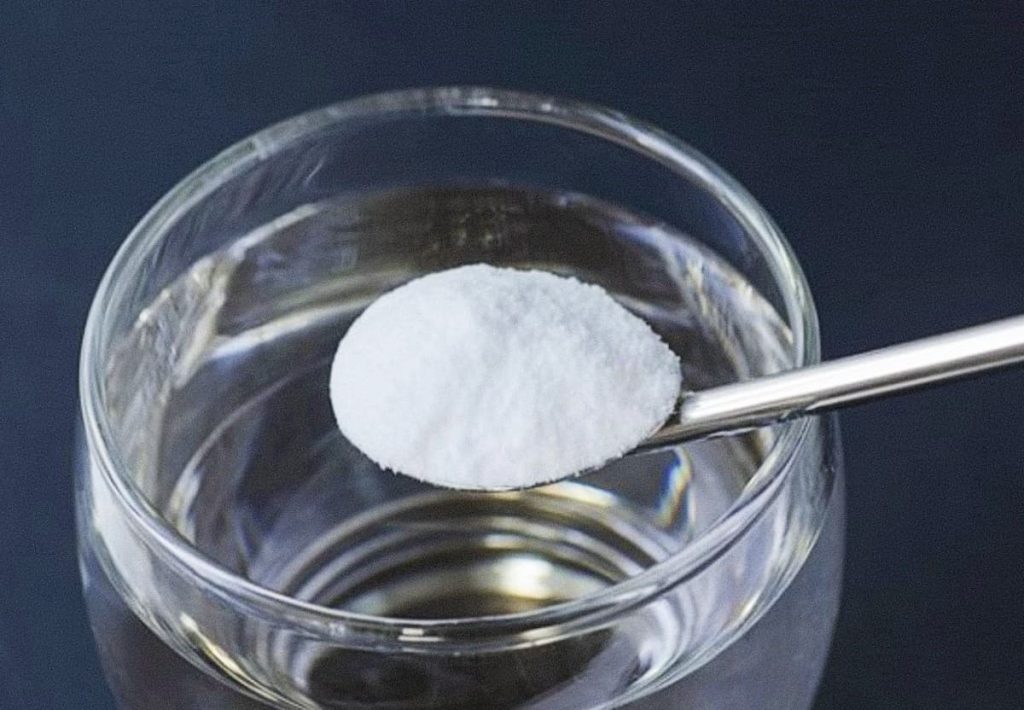
Should Creatine Be Taken With Cold, Hot, or Warm Water? Understanding Solubility vs. Stability
While many athletes focus on workout timing, the impact of creatine water temperature on solubility is often overlooked. Research indicates that while cold water may require more agitation for the powder to dissolve, warm water speeds up this process significantly. However, regardless of the creatine water temperature you choose, the molecular stability remains constant for a short duration, provided you consume the drink promptly.
Solubility (The Mix)
Hotter water has more kinetic energy, breaking down creatine crystals almost instantly. In cold water (5–10°C), creatine often remains “gritty” and settles at the bottom of the glass.
Stability (The Potency)
While heat helps it dissolve, it can also be a double-edged sword. Once dissolved, creatine can undergo “intramolecular cyclization,” converting into creatinine—a metabolic waste product that offers no performance benefits.
The Temperature Breakdown
Understanding how temperature impacts your supplement is key to getting the most value out of every scoop.
Cold Water
Perfectly safe but takes longer to stir. You might need to “swirl” the glass repeatedly to catch the sandy residue at the bottom.
Warm/Hot Water (Up to 80°C)
Considered the “sweet spot” for many athletes. It creates a silky-smooth texture without triggering immediate degradation.
Boiling Water (100°C)
This is where risks increase. Exposure to boiling temperatures for more than 10 minutes significantly accelerates the breakdown into creatinine.
Does Heat Destroy Creatine?
According to pharmacological insights on creatine drinks and stability, creatine in powder form is incredibly resilient, even at high temperatures. However, the biological clock starts ticking once it hits hot liquid.
The “15-Minute Rule”
Many bodybuilders ignore that timing is just as critical as the creatine water temperature. If you leave the mixture sitting for hours, the thermal environment can accelerate the degradation of creatine into creatinine. Therefore, regardless of whether you have adjusted the creatine water temperature to a warmer or colder setting, the golden rule remains: consume the drink within 15 minutes to ensure the compound’s full integrity.
Pros and Cons of Different Temperatures
Because personal preference plays a significant role in long-term consistency, many athletes debate should creatine be taken with cold, hot, or warm water. If you find that cold water leads to GI discomfort or bloating, swapping to a warmer liquid might be the solution. Remember, the effectiveness of the supplement is tied to your daily intake, so the most important answer to should creatine be taken with cold, hot, or warm water is: whichever one ensures you never miss a dose.
| Temperature | Pros | Cons |
| Cold | Refreshing post-workout; zero risk of degradation. | Gritty texture; powder settles quickly. |
| Room Temp | Practical; easiest for daily consistency. | May still require extra stirring. |
| Warm/Hot | Dissolves instantly; “gut-friendly” for some. | Risk of potency loss if left to sit too long. |
Best Practices for Maximum Absorption
Beyond temperature, how you take your creatine can influence its overall effectiveness.
Ultimately, your choice depends on your daily habits. There is no ‘wrong’ way to consume it, but there is a most convenient way. By consistently evaluating should creatine be taken with cold, hot, or warm water relative to your pre-workout or post-workout meals, you ensure that your supplementation is not just an afterthought, but a scientifically optimized part of your athletic recovery.
The Insulin Factor
Taking creatine with simple carbohydrates (like fruit juice) or a protein-carb mix stimulates insulin. This hormone acts as a “shuttle,” driving the creatine into your muscle cells more efficiently.
Timing over Temperature
Whether the water is cold or warm, consistency is king. Saturating your muscle stores requires a daily dose of 3–5g, regardless of the time of day.
Internal Synergy
If you’re already mixing your creatine with warm liquids like coffee, you’re likely looking for efficiency. Check out our previous guide on Can You Mix Creatine With Coffee? to see how caffeine affects your strength gains.
Frequently Asked Questions (FAQ)
1. Does hot water make creatine work faster?
No. While it dissolves faster in the glass, your body absorbs it with the same high bioavailability (over 95%) regardless of the initial water temperature.
2. Is creatinine (the byproduct of heat) harmful?
No. Creatinine is a natural waste product already found in your body. If some creatine degrades due to heat, it simply becomes ineffective for your workout, but it is not toxic.
3. Can I mix creatine in my tea?
Yes, as long as the tea isn’t boiling. Mixing it into warm tea is a common practice that helps with solubility. Just avoid letting it sit for hours.
4. Why does my creatine settle at the bottom of cold water?
Creatine monohydrate has low solubility in cold liquids. This is normal. Simply add a bit more water, stir, and drink the residue to ensure you get your full dose.
5. Can I prepare my creatine drink the night before?
It’s not ideal. While the cold slows down degradation, creatine is most stable in its powder form. For maximum potency, mix it fresh every day.
6. Does the season of the year change how should creatine be taken?
Not biologically. Your muscle cells do not change their absorption capacity based on ambient temperature. When considering the ideal creatine water temperature during different seasons, prioritize your comfort and consistency above all else.
7. Can I use tea or coffee to bypass the creatine water temperature debate?
Yes, you can, but be mindful that the acidity in coffee can influence the overall solution stability. While the creatine water temperature of your coffee is usually high enough to dissolve the powder instantly, the chemical interaction between caffeine and creatine is a separate topic. If you prefer this method, prioritize speed of consumption to ensure that the creatine water temperature does not negatively impact your gains.
Disclaimer: The content provided on this website is for informational and educational purposes only and is not intended as medical advice, diagnosis, or treatment. Always seek the advice of your physician or other qualified health provider with any questions you may have regarding a medical condition or before starting any new supplement regimen. Never disregard professional medical advice or delay in seeking it because of something you have read on this site. Individual results may vary based on health status, diet, and training intensity.
