Boiled vs fried eggs is a classic breakfast debate, but the choice you make can significantly influence your satiety levels and metabolic response throughout the day. In the quest for the ultimate breakfast, eggs are the undisputed champions. They are packed with high-quality protein, healthy fats, and essential vitamins. But a long-standing debate persists in the fitness community: does the way you cook your eggs actually change how full you feel? If you’ve ever noticed that two fried eggs leave you looking for a snack by 11:00 AM, while two boiled eggs keep you powered until lunch, you aren’t imagining things. Science and satiety metrics suggest that the cooking method is just as important as the ingredient itself.
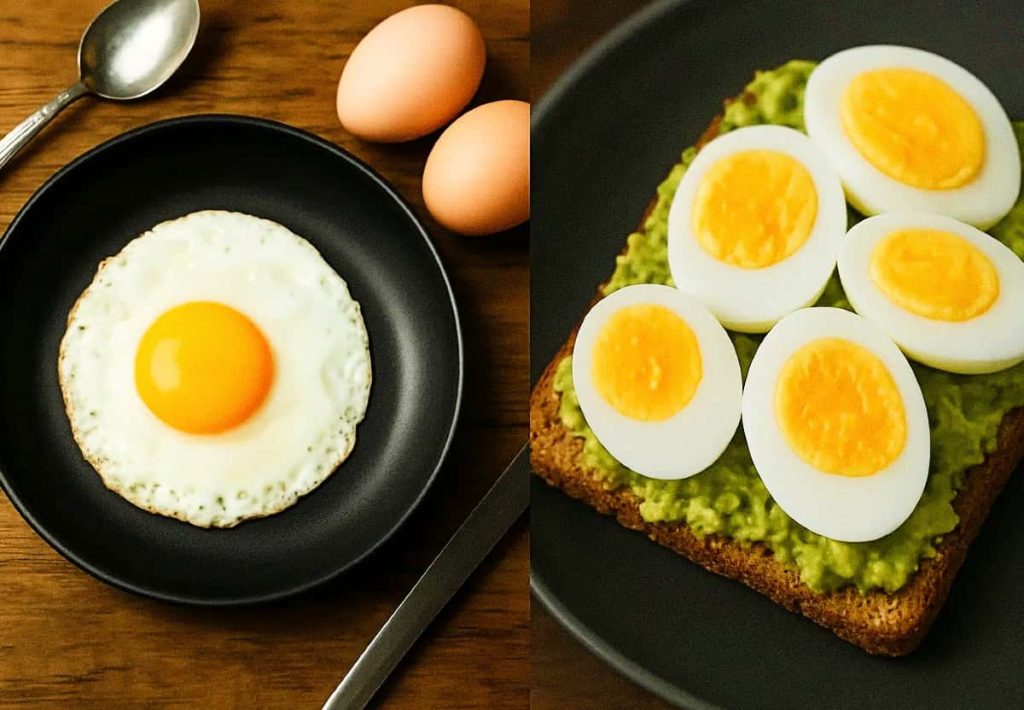
The Satiety Factor: Why Boiling Wins
When it comes to suppressing appetite, the hard-boiled egg is the superior tool. Comparing boiled vs fried eggs highlights how the physical state of the food influences your body’s hunger signals throughout the morning. There are three mechanical and biological reasons for this:
1. Physical Density and Chewing
Hard-boiled eggs are a dense, solid food. According to nutritional insights from InstaPilau / Nutrition, the solid structure of a boiled egg requires more chewing than a soft, fried egg. This increased mastication signals your brain that you are consuming a substantial meal, triggering satiety hormones earlier in the process. Because the texture differs significantly when comparing boiled vs fried eggs, the effort required to chew a hard-boiled egg provides a greater “satiety signal” to your brain.
2. The “Grease” Trap
Fried eggs are typically prepared with butter or oil, adding roughly 20–30 extra calories per egg. While fat is generally satiating, the type of fat matters. Some evidence suggests that the heated oils used in frying can sometimes interfere with ghrelin (the hunger hormone) regulation, whereas the clean protein in a boiled egg keeps hormone levels stable.
3. Digestibility and Energy Levels
Many people report feeling a “post-breakfast slump” after eating eggs fried in heavy butter.
Avoiding Digestive Tax
This lethargy occurs because the body must divert significant energy to process the added saturated fats. In contrast, boiled or poached eggs provide a steady stream of energy without the digestive tax, making them a better choice for high-performance days.
Nutritional Comparison: By the Numbers
A direct look at the boiled vs fried eggs nutritional profile reveals that while protein content remains stable, the calorie density varies based on the cooking fat used. When we break down the boiled vs fried eggs data, it becomes clear that the method of cooking is a critical variable in any caloric-deficit strategy.
| Feature | Boiled Egg (Large) | Fried Egg (Large) |
| Calories | ~70–78 kcal | ~90–110 kcal |
| Added Fats | 0 g | 2–5 g (varies by oil) |
| Vitamin Retention | High (protected by shell) | Lower (sensitive to heat/light) |
| Portability | Excellent (Meal Prep King) | Low (must eat immediately) |
The Biological “Synergy”
To maximize the benefits of your eggs, think about what you pair them with. In our previous guide, Foods with More Calcium Than Milk, we highlighted how nutrients work in teams. Understanding the boiled vs fried eggs synergy with other foods is essential to complete your nutritional strategy.
Maximizing Nutrient Absorption
The egg yolk is naturally rich in Vitamin D, which is the essential “key” your body needs to absorb calcium. Pairing a hard-boiled egg with a high-calcium source—like a slice of Parmesan or a side of sautéed collard greens—creates a nutritional powerhouse that supports both bone density and muscle maintenance.
Practical Strategy: The 80/20 Rule
You don’t have to give up your sunny-side-up eggs forever, but you should choose your method based on your daily goals. In the boiled vs fried eggs spectrum, both have a place in a balanced diet, provided you understand their impact on your weight loss journey.
- For Weight Loss & Workdays: Stick to Boiled Eggs. They are lower in calories, provide higher satiety, and can be prepped in batches for the entire week.
- For Performance & Focus: Choose Boiled or Poached. They avoid the “fat fatigue” often associated with frying, keeping your mind sharp.
- For Culinary Enjoyment: Enjoy Fried Eggs on weekends. If you do fry, use a high-quality oil like extra virgin olive oil and keep the temperature moderate to preserve the egg’s delicate antioxidants.
The Bottom Line
Ultimately, the debate regarding boiled vs fried eggs confirms that if your primary goal is to manage hunger and lose weight, the boiled option is the undisputed winner. They provide a dense, pure protein source that takes longer to break down, keeping you fuller for longer with fewer calories. By consistently choosing boiled vs fried eggs as your primary protein source, you gain better control over your daily caloric intake and metabolic health.
FAQ
Are scrambled eggs the same as fried?
Nutritionally, yes. Because scrambled eggs are often made with added milk, butter, or oil, and are broken down into a softer texture, they typically offer less “chewing satiety” than a hard-boiled egg. Many readers debating boiled vs fried eggs often overlook that scrambled eggs share the same lipid-heavy pitfalls as fried versions.
Is it safe to eat the yolk?
Yes! The yolk contains almost all of the egg’s vitamins (A, D, E, B12) and antioxidants. Unless directed otherwise by a doctor for specific cholesterol concerns, the whole egg is the most nutritious choice.
Does a “soft-boiled” egg have the same satiety as hard-boiled?
Close, but not quite. The firmer the white and yolk, the more work your digestive system has to do to break it down, which generally extends the feeling of fullness.
Disclaimer: The information provided in this article is for educational and informational purposes only and does not constitute medical or nutritional advice. Individual responses to food, including satiety and energy levels, can vary significantly based on personal health status, metabolic rate, and underlying medical conditions. This content is not intended to diagnose, treat, or prevent any health issue. Always consult with a qualified healthcare professional or a registered dietitian before making significant changes to your diet, especially if you have existing health conditions such as high cholesterol, digestive disorders, or specific nutritional requirements. The author and publisher assume no responsibility for any health outcomes resulting from the use of this information.
