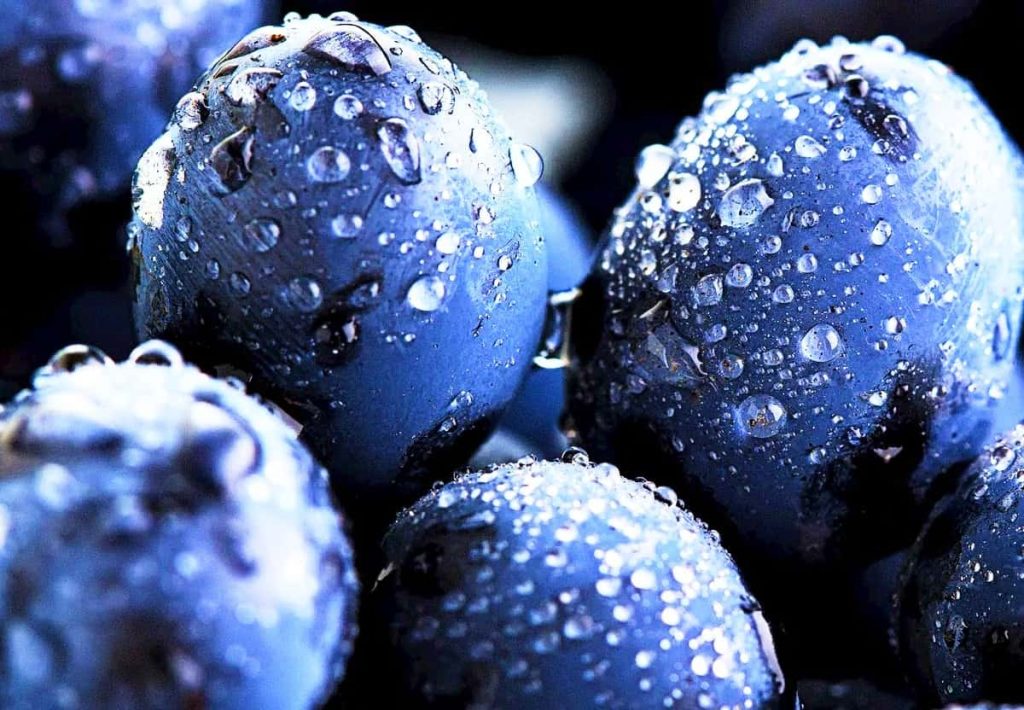
Summertime often brings a renewed focus on freshness, and nothing defines the season quite like the appearance of plump, organic blueberries. While the palate finds satisfaction in that perfect balance of sweetness and a mild sour note, the true value of this fruit lies beneath its deep blue skin. Science has long crowned it the “King of Antioxidants,” not merely for its flavor, but for its unique ability to defend the human body from the inside out.
The Rise of Cellular Anti-Aging
In a modern health landscape often dominated by expensive skincare and cosmetic interventions, a shift toward “inner beauty” through nutrition has gained significant momentum. Aging is essentially the cumulative result of metabolic leftovers—unstable molecules known as free radicals. These molecules attempt to stabilize themselves by stealing electrons from healthy cells, including DNA and nerve cells.
Antioxidants act as a protective shield, donating the necessary electrons to neutralize these free radicals before they can cause the cellular damage that leads to sagging skin, wrinkles, or systemic inflammation. While many fruits offer protection, the blueberry stands at the top of the hierarchy due to its massive concentration of specific flavonoids.
The Anthocyanin Advantage
What sets this fruit apart is a group of compounds called anthocyanins. These pigments are responsible for the deep color of the berry and are the primary drivers of its medicinal properties. Beyond basic nutrition, these molecules have shown a remarkable ability to lower the risk of cardiovascular issues and improve insulin sensitivity.
A fascinating nuance in the scientific community involves how these berries are sourced and consumed. While many appreciate them for their succulent and savory sweetness, as highlighted in the foundational perspective of King of Antioxidants – The Unbearably Delicious Blueberry, there is an ongoing debate about the effects of storage. Some experts argue that freezing may reduce certain phytonutrient levels, while others point out that berries frozen immediately after harvest can actually retain higher antioxidant values than “fresh” berries that have spent days in transit or on supermarket shelves.
Maintaining Cognitive Function
The brain is particularly susceptible to oxidative stress, which can accelerate the aging of neurons. Evidence suggests that the antioxidants in berries can cross the blood-brain barrier, directly affecting brain function. By reducing inflammation in the nervous system, regular consumption has been linked to improvements in memory and the slowing of cognitive decline—potentially adding years of “mental youth.”
This neuroprotection is a vital component of a long-term wellness strategy. For those focused on structural health alongside cognitive sharpness, understanding the synergy between antioxidants and metabolic proteins is essential, such as identifying the best collagen to take after age 40 to support skin and joint integrity from the inside out.
Metabolic Harmony and Digestion
Beyond the brain, these “tiny balls of goodness” play a critical role in metabolic health. Despite their natural sugar content, the high fiber levels in berries slow down the absorption of glucose, helping to regulate blood sugar.
Furthermore, the impact on cholesterol is significant. Antioxidants are strongly linked to reduced levels of oxidized LDL—the “bad” cholesterol that contributes to heart disease. By preventing this oxidation, berries help keep the cardiovascular system resilient, acting as a natural preventative measure against the stressors of a highly processed modern diet.
Practical Integration: Fresh vs. Prepared
While many enjoy blueberries in baked goods, the intense heat of cooking can alter their chemical profile. To maximize the biological benefits, consumption in their whole, raw form is generally recommended. This preserves the fiber and the delicate anthocyanins that provide the “Superfood” effect.
The Nuance of Dosage: Specialists rarely agree on a single “perfect” dose, but the consensus points toward a daily serving of approximately 1 cup (150 grams). Consistency appears to be more important than quantity; regular, smaller intakes provide a steady stream of protective electrons to the bloodstream rather than occasional “megadoses.”
FAQ: Common Questions About the King of Antioxidants
Are frozen blueberries as healthy as fresh ones?
In many cases, yes. Berries frozen immediately after harvest often retain more nutrients than fresh berries that have been stored or transported over long distances. However, for the best flavor and texture, fresh, organic options remain the gold standard.
Do blueberries help with weight loss?
Yes, indirectly. Their high fiber content increases satiety, or the feeling of being full. This naturally reduces overall caloric intake without the need for restrictive dieting.
Can blueberries affect blood sugar levels?
While they contain natural sugar, their fiber and anthocyanins actually improve insulin sensitivity and glucose metabolism, making them a safe and beneficial choice for those managing blood sugar.
Why are they called the “fruit of youth”?
This title comes from their high antioxidant ranking. By neutralizing free radicals that cause cellular aging, they help protect everything from skin elasticity to brain function, effectively slowing the biological clock.
Is it better to eat blueberries alone or with other foods?
While they are excellent on their own, mixing them with other berries—like strawberries or raspberries—provides a wider spectrum of phytochemicals that work synergistically to boost the immune system and fight inflammation.
