The fitness world has a long-standing obsession with protein. From 30-egg challenges to massive scoops of whey, the prevailing narrative suggests that if you want to grow, you just need to “up the protein.” However, the latest nutritional science tells a more nuanced story: while protein provides the bricks, your diet’s overall balance provides the mortar and the energy to build the wall.
Relying solely on protein for muscle hypertrophy is like trying to build a house with plenty of materials but no power for the tools. Here is why a balanced diet is the true “secret weapon” for consistent gains.
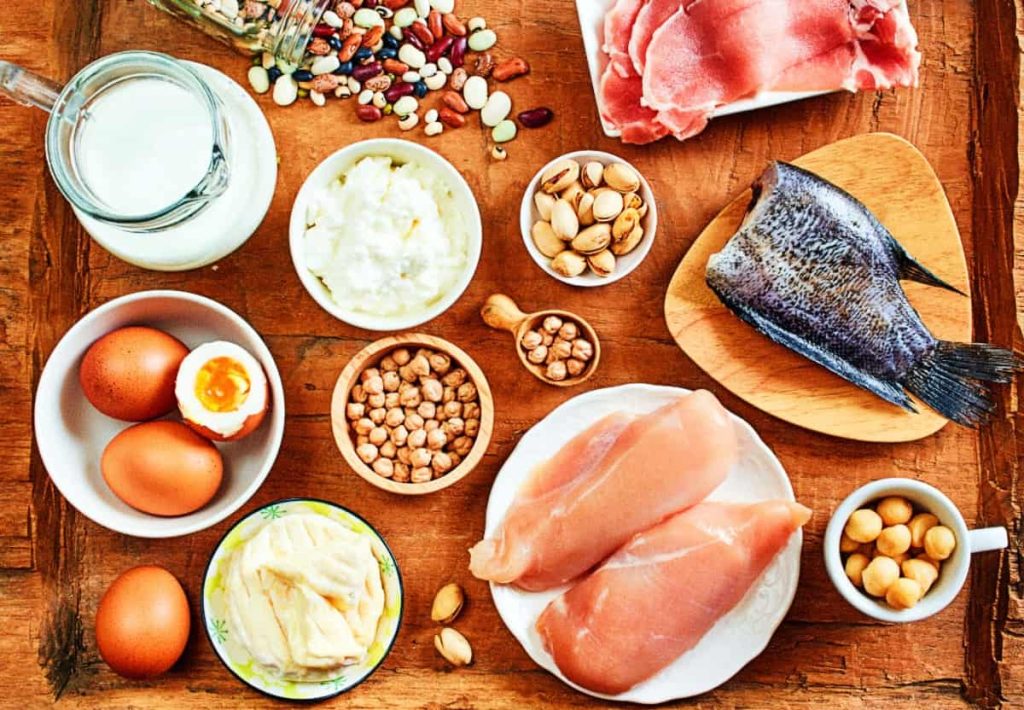
The Myth of “More is Always Better”
Many enthusiasts believe that if 1.5g of protein per kg of body weight is good, then 3g must be twice as effective. Research suggests otherwise. A landmark study published by Harvard Health – Extra protein does not build more muscle found that in older men, increasing protein intake beyond the recommended amounts made no significant difference in lean body mass or muscle performance.
The body has a “leucine trigger”—a threshold of amino acids needed to initiate Muscle Protein Synthesis (MPS). Once this trigger is pulled (typically with 20–40g of high-quality protein), additional protein doesn’t necessarily speed up the process. Instead, it is oxidized for energy or stored as fat.
Carbohydrates: The “Protein-Sparing” Hero
Carbohydrates often get a bad reputation in fitness circles, but they are essential for muscle growth due to the protein-sparing effect.
When you consume enough complex carbohydrates (like oats, brown rice, or potatoes), your body uses them as its primary fuel source (glycogen). If you cut carbs too low, your body is forced to break down protein—either from your diet or your existing muscle tissue—to create energy. In short: eating enough carbs ensures that the protein you eat can actually be used for its intended purpose: repairing muscle fibers.
The Role of Healthy Fats and Micronutrients
Muscle growth isn’t just about calories; it’s about hormones. Healthy fats, particularly unsaturated fats from avocados, nuts, and oily fish, are crucial for the production of testosterone and other anabolic hormones. Furthermore, these fats aid in the absorption of Vitamin D, which is directly linked to muscle strength and bone density.
Key Nutrients for Muscle Function:
- Zinc & Iron: Essential for oxygen transport and protein synthesis.
- Leucine: The “switch” that starts muscle repair (found in dairy, eggs, and soy).
- Electrolytes: Sodium and potassium are required for the electrical signals that cause muscle contractions.
The Importance of Timing and Distribution
Rather than having one massive protein-heavy meal, research suggests that distribution is key. Spreading your protein intake every 3 to 4 hours keeps your body in an “anabolic state” (building) rather than a “catabolic state” (breaking down).
To understand how to calculate your specific needs without overdoing it, check out our guide on The Protein Equation: Decoding Individual Macronutrient Requirements.
FAQ: Common Questions on Balanced Muscle Growth
Can I build muscle on a low-carb diet? It is possible, but significantly harder. Without carbohydrates, your intensity in the gym may drop, and your body may use protein for energy instead of repair. For most people, a moderate-carb approach is more efficient for hypertrophy.
How many extra calories do I really need? Building muscle requires a caloric surplus, but it doesn’t need to be huge. Aiming for an extra 300–500 calories per day is usually enough to support growth without excessive fat gain.
Is plant-based protein as effective as animal protein? Yes, provided you account for the amino acid profile. Animal proteins are “complete,” meaning they have all 9 essential amino acids. Plant-based eaters can achieve the same results by combining sources (like beans and rice) or choosing soy and quinoa.
Should I eat immediately after my workout? While the “anabolic window” isn’t as narrow as once thought, having a balanced meal with protein and carbs within 2 hours of training helps kickstart recovery and replenishes glycogen stores.
Do I need protein shakes? No. Supplements are just “convenience food.” If you can meet your requirements through whole foods like lean meats, eggs, lentils, and dairy, you will get the same, if not better, nutritional benefits.
