Mastering an authentic carbonara recipe is more than just following a list of ingredients; it is an exercise in thermal management. While the internet is flooded with “shortcuts” involving heavy cream, the culinary gold standard relies on the Triple-Fat Emulsion. By understanding the coagulation threshold of eggs and the starch chemistry of pasta water, you can achieve a sauce more luxurious than any dairy-based alternative through this authentic carbonara recipe.
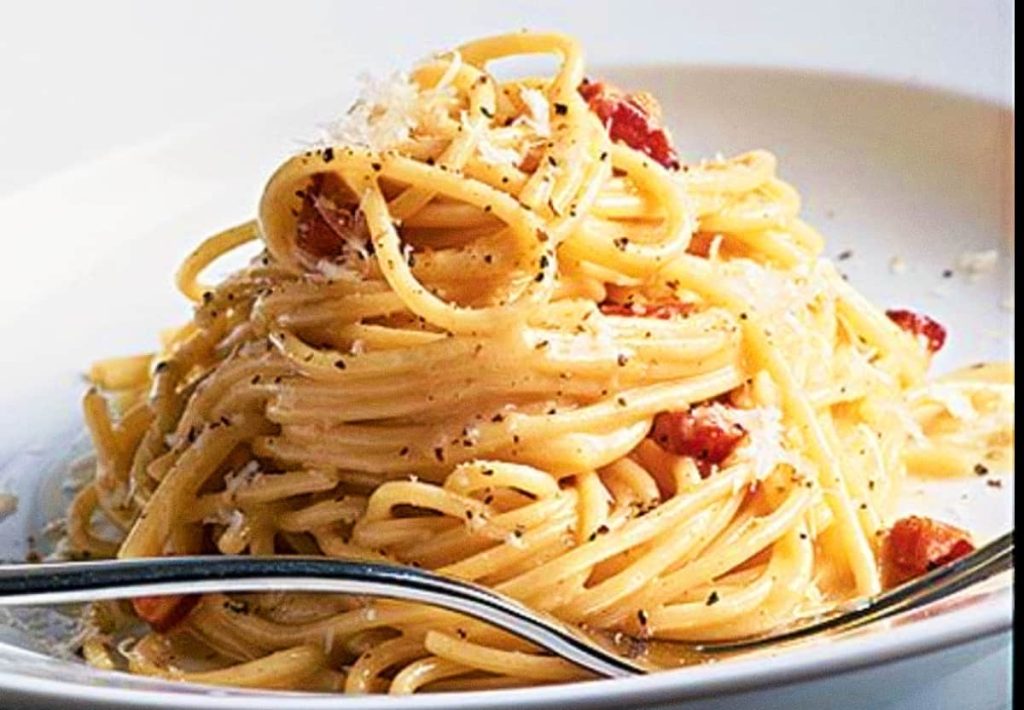
1. The Chemistry of the “Cremina”
The creaminess of an authentic Carbonara is a mechanical emulsion of three specific components: rendered pork fat, egg yolks, and starchy pasta water. When attempting an authentic carbonara recipe at home, many fail because they treat the eggs like a scramble rather than an emulsion. The secret lies in the temperature gap; egg yolks begin to coagulate at approximately 70°C (158°F). To execute this authentic carbonara recipe successfully, the pasta must be hot enough to melt the cheese and bind the fat without crossing that thermal threshold.
When attempting an authentic carbonara recipe at home, many fail because they treat the eggs like a scramble rather than an emulsion. The secret lies in the temperature gap. Egg yolks begin to coagulate (scramble) at approximately 70°C (158°F). However, the pasta must be hot enough to melt the cheese and bind the fat.
The Double Tempering Technique
To master this, use the “Double Tempering” technique: Whisk a small ladle of hot pasta water into your cheese and egg mixture before it hits the pan. This raises the thermal floor of the eggs, creating a buffer that makes it significantly harder for them to scramble when they contact the hot pasta. This method is the gold standard for achieving a luscious, creamy carbonara sauce without relying on “cheat” ingredients like heavy cream. By relying on physics rather than dairy, the sauce remains rich yet clean on the palate.
2. The Ingredient Hierarchy: Guanciale vs. The World
The choice of pork dictates the fat profile and the stability of your emulsion.Your choice of ingredients serves as the foundation for the entire dish. Before you begin your authentic carbonara recipe, ensure your pork and cheese are high-quality, as these fats will provide the necessary structure for the emulsion that separates a basic meal from a professional result.
Selecting Your Pork
- Guanciale: Technically superior because its fat renders at a lower temperature and carries an intense flavor from the cured pork cheek.
The Skin Hack
If you buy your pork in one piece, never discard the hard rind. Rub the skin over the base of the cold frying pan before heating. This coats the surface in a “flavor primer” that traditional oil cannot replicate.
The Cheese Balance
While purists demand 100% Pecorino Romano, it can be aggressively salty. A 50/50 split with Parmigiano Reggiano offers a balanced, nutty profile that complements the black pepper without masking the eggs.
3. The Modern Pivot: The Aerated Carbonara
A technique favored by high-end chefs involves separating the eggs and whisking the whites to soft peaks before folding them into the finished pasta off the heat. This creates a “mousse-like” sauce that feels lighter on the palate while maintaining the signature richness of the yolks. While this is a modern variation, it remains a valid path to mastering an authentic carbonara recipe if you prefer a lighter, more ethereal texture that still honors the classic flavor profile.
4. Master Hacks for the Perfect Plate
H3: Flavor Foundations
- The “Bruised” Garlic Infusion: If you want depth without the bite, crush 2–3 garlic cloves with the palm of your hand. Fry them whole in the pork fat for 60 seconds to release their oils, then discard them. This avoids the bitter notes of burnt minced garlic.
- Toast Your Pepper: Black pepper is a foundational flavor, not a garnish. Toast your freshly cracked peppercorns in the rendered pork fat for one minute before adding the pasta. This “blooms” the piperine, making the aroma more complex and the heat less sharp.
Remember that patience is the hidden ingredient in any authentic carbonara recipe. If you rush the toasting of the pepper or the rendering of the fat, the dish loses its complexity.
Technical Execution
- The “Bowl-Security” Method: If you are a beginner, skip the pan for the final stage. Toss the hot pasta into a large, pre-warmed ceramic bowl containing your egg mixture. The residual heat of the pasta alone is enough to cook the eggs into a glossy silk without the risk of stove-induced scrambling.
5. Carbonara Troubleshooting FAQ
Consistency and Texture
- Why is my sauce watery? It likely needs more “agitation.” Use the wooden spoon handle trick: spin the pasta vigorously in a circular motion. This creates the mechanical friction necessary for the fat and starch to bind. If it is still thin, add more finely grated cheese—the proteins in the cheese act as a natural thickener.
- How do I fix a sauce that is starting to “clump”? This is a sign of overheating. Immediately add a tablespoon of lukewarm pasta water (not boiling) and remove the pan from the heat source. Much like the principles in our guide to why food sticks to stainless steel, temperature control is everything.
Safety and Variations
- Can I add lemon or herbs? While not traditional, a touch of lemon zest and fresh arugula added at the very end can cut through the heavy fats, providing a bright contrast that balances the dish, especially if you are using bacon instead of guanciale.
- Is there a risk with “raw” eggs? When the hot pasta hits the egg mixture, the temperature typically hovers between 60–65°C, which is enough to pasteurize the eggs without solidifying them. For maximum safety, always choose pasture-raised eggs, which tend to have stronger shells and higher nutrient density.
The Bottom Line
Great Carbonara is about the physics of the emulsion. Render your fat, toast your pepper, and remember: heat is your tool, but also your enemy.
Want to master more technical kitchen skills? Check out our guide on Onion or Garlic First? The Science Behind the Right Order.
Disclaimer: This content is for educational purposes only. Consuming raw or undercooked eggs carries a risk of foodborne illness; always use high-quality, pasteurized, or pathogen-free eggs. This information is not a substitute for professional medical or nutritional advice. Always consult with a qualified healthcare provider before making significant dietary changes, especially if managing specific health conditions.
