While expensive serums and masks treat the surface, true skin longevity is built from the inside out. Your skin is a “barometer” of your internal health; when you fuel your body with specific antioxidants and healthy fats, you aren’t just eating—you are building a biological barrier against time.
Based on insights from the latest clinical reviews (2026), here is your definitive guide to anti-aging nutrition.
The Collagen Architects: Vitamin C & Copper
To keep skin “bright and tight,” you must support collagen synthesis. Collagen is the protein responsible for skin’s structural integrity, but its production drops as we age.
- Red Bell Peppers & Papaya: These are significantly richer in Vitamin C than oranges. Vitamin C is the essential cofactor for collagen production.
- Watercress (Agrião): Acting as an internal skin antiseptic, it increases circulation and the delivery of minerals to all cells, resulting in improved oxygenation of the skin.
- Broccoli: Packed with vitamins C and K, fiber, and lutein. Your body needs these for collagen strength and to maintain skin elasticity.
The UV Shield: Carotenoids & Lycopene
Think of these as “internal sunscreen.” While they don’t replace topical SPF, they increase your skin’s natural resilience against environmental toxins and sun damage.
- Cooked Tomatoes: The lycopene in tomatoes is more bioavailable when heated. It helps neutralize free radicals triggered by sun exposure that cause sun spots and deep wrinkles.
- Sweet Potatoes: The orange color comes from beta-carotene, which the body converts into Vitamin A (Retinol). This promotes skin cell turnover, contributing to soft, youthful-looking skin.
The Hydration Guard: Healthy Fats & Vitamin E
Wrinkles often appear deeper due to dehydration and a compromised lipid barrier. These foods reinforce your skin’s natural moisture and oil barrier.
- Avocados: High in inflammation-fighting fatty acids and glutathione. These nutrients help maintain skin elasticity and promote a natural, supple glow.
- Nuts (Almonds & Walnuts): A great source of Vitamin E, which helps repair skin tissue, retain moisture, and protect the skin from damaging UV rays.
The Age-Defiers: Anthocyanins & Punicalagins
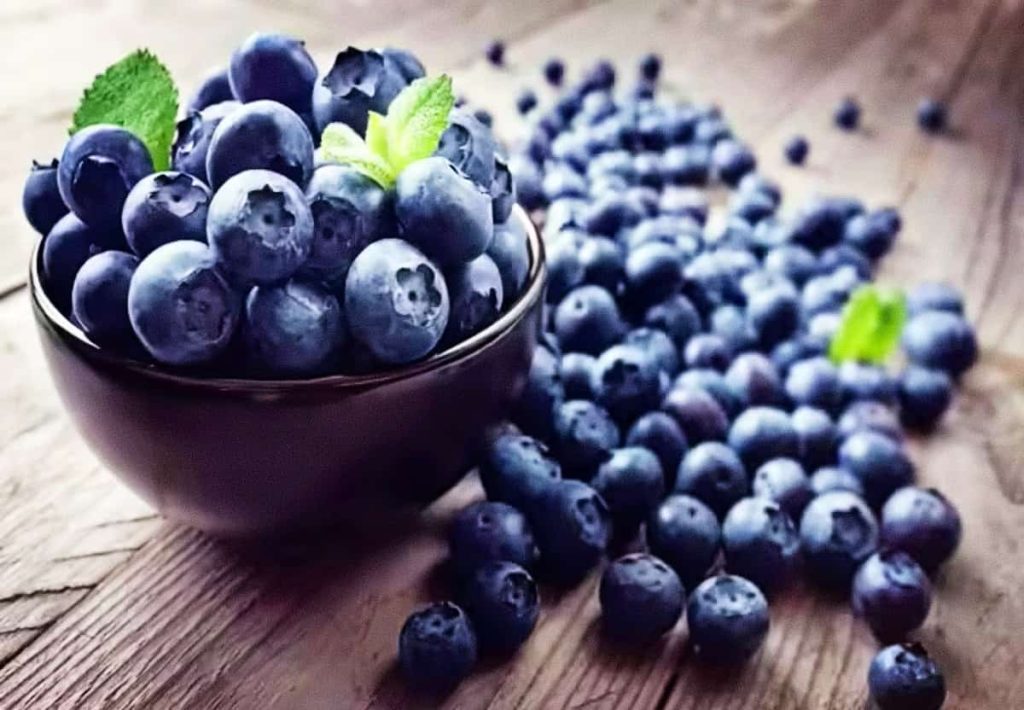
- Blueberries: Rich in anthocyanins, powerful antioxidants that protect the skin from stress and pollution by moderating the inflammatory response and preventing collagen loss.
- Pomegranates: High in vitamin C and punicalagins. New research suggests that a compound called Urolithin A, produced when pomegranates interact with gut bacteria, may actually rejuvenate mitochondria and reverse signs of aging.
Internal Connection: The Protein-Skin Link
A radiant complexion requires more than just vitamins; it requires the structural building blocks found in high-quality proteins. In our specialized guide, “The No. 1 Fish to Eat for Better Health, According to Nutrition Experts“, we highlight how Wild Salmon and the SMASH list provide the essential Omega-3s and Astaxanthin needed to maintain skin elasticity and reduce chronic redness.
Pairing the antioxidant-rich foods in this article with the “Elite Fish” protocol creates a synergetic effect that nourishes your hormones and skin cells simultaneously.
FAQ: Science-Backed Skin & Nutrition Secrets
1. How long before I see a difference in my skin texture? According to clinical reviews from Healthline, consistent dietary changes typically show visible results in 4 to 8 weeks. This timeframe aligns with the natural cycle of skin cell renewal.
2. Can “Bio-identical” collagen supplements replace these foods?
While supplements can be helpful, whole foods provide a superior “nutritional package.” For example, papaya provides the enzyme papain, which acts as a natural anti-inflammatory agent and aids in shedding dead skin cells—a benefit pills cannot replicate.
3. Can I use green tea topically for wrinkles? Yes. Using cooled green tea as a natural toner or face mask helps tighten pores and reduce UV-induced redness. The EGCG catechins provide systemic protection when drunk and localized anti-inflammatory effects when applied topically.
4. What are the “Aging Villains” I should strictly limit? * Excess Sugar: Leads to glycation, which makes collagen fibers stiff and brittle.
- Refined Carbs: Trigger insulin spikes that promote systemic inflammation and dullness.
- Deep-Fried Foods: Create free radicals that cause oxidative stress, damaging your skin’s DNA.
