Is salt actually bad for you? This is one of the most persistent questions in modern nutrition. For decades, salt has been cast as a dietary villain, directly linked to high blood pressure and heart health concerns. However, as we dive deeper into the current nutritional landscape, the answer isn’t a simple “yes” or “no.”
To understand the full picture, we must look at how our bodies process sodium and, more importantly, where that salt is coming from.
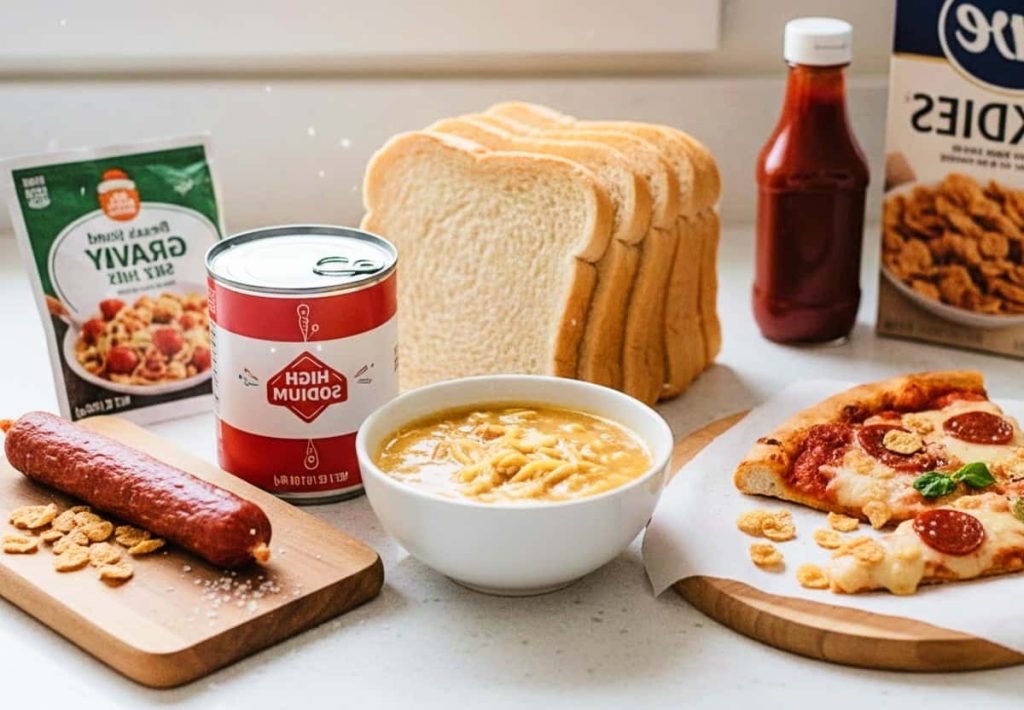
Why the Body Needs Sodium: Is Salt Actually Bad for You in Moderate Amounts?
Salt is made up of sodium and chloride, two minerals that are essential for survival. Sodium helps regulate fluid balance, supports nerve signaling, and plays a role in muscle movement. Because these processes are so vital, both extremely low and very high sodium levels can interfere with how the body functions.
When people ask, “is salt actually bad for you?“, they often forget that salt is a biological necessity—the problem lies in the dosage and the delivery method.
How Much Salt Do People Actually Eat?
In many countries, average intake is higher than recommended. But here is the surprise: most salt does not come from your salt shaker at home. A large share of daily sodium intake comes from packaged, processed, and fast foods.
The Hidden Sources of Sodium
A significant portion of sodium is hidden in foods we might not even consider “salty.” Common culprits include:
- Processed Breads and Cereals: Often contain salt for texture and preservation.
- Cured Meats: High concentrations are used to prevent spoilage.
- Canned Goods: Soups and vegetables often sit in sodium-rich liquids.
Choosing lower-sodium versions of common products can make a massive difference. For example, check out Chicken Soup vs. Tomato Soup: Which One Is Actually Healthier? to learn how different soups compare in sodium content and overall nutrition.
Salt, Blood Pressure, and Individual Response
Research consistently shows a link between higher sodium intake and increased blood pressure in some individuals. Elevated blood pressure is a known risk factor for cardiovascular conditions, which is why salt reduction strategies are often discussed at a population level.
The Role of Salt Sensitivity
Some individuals are “salt-sensitive,” meaning their blood pressure responds significantly to sodium changes. For others, the impact is minimal. So, is salt actually bad for you if you are healthy and active? Not necessarily. For active individuals or those with a diet rich in whole fruits and vegetables, the body often handles sodium more efficiently.
Reducing Salt Without Eliminating Flavor
If you want to be more mindful of your intake, focus on awareness rather than total restriction. Small changes can have a noticeable impact on your health.
Smart Flavor Substitutes
Using herbs, spices, garlic, or citrus can enhance your meals naturally. This approach shifts the focus from what you are removing to what you are adding, ensuring you don’t lose the joy of eating.
Reading Labels Beyond Sodium
Paying attention to food labels on sauces and dressings is vital. Many “low-fat” options compensate for flavor by adding more salt or sugar. Being a conscious consumer is the first step toward a balanced diet.
FAQ – Is Salt Actually Bad for You?
Is salt bad for everyone?
The Context of Individual Health
No. Salt is essential for fluid balance and nerve function. The concern is usually regarding excessive intake from ultra-processed sources rather than moderate home cooking.
Does reducing salt always lower blood pressure?
Genetics and Diet Quality
Not for everyone. While it helps many, responses vary based on genetics, age, and whether the diet includes enough potassium to balance the sodium.
Is salt from home cooking different from processed food salt?
The Nutrient Matrix
Yes. Home-cooked salt is usually paired with whole foods, whereas salt in processed foods often comes with unhealthy fats, refined sugars, and additives that worsen the impact on health.
Ultimately, understanding is salt actually bad for you requires looking at the total dietary picture, focusing on fresh ingredients and personal health needs.
Disclaimer: This content is for informational purposes only and does not constitute medical advice. Always consult with a healthcare professional or a registered dietitian before making significant changes to your diet, especially if you have underlying health conditions such as hypertension or kidney issues.
