In the world of nutrition, few elements are as transformative for the human body as dietary fiber. Often celebrated for its ability to “keep things moving,” fiber’s impact extends far beyond simple digestion. Integrating the right fruits rich in fiber is a powerful way to stabilize blood sugar, lower cholesterol, support hormone metabolism, and feed the gut microbiome.
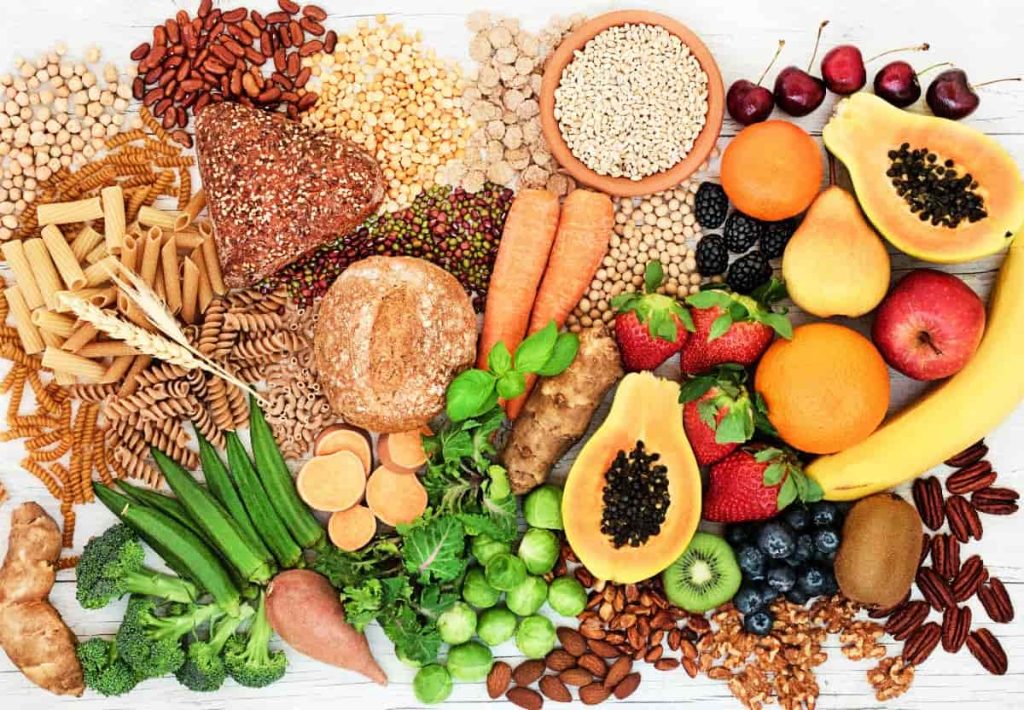
The Science of Fiber: Why Your Body Needs It
Unlike other carbohydrates that the body breaks down into glucose for energy, fiber remains largely undigested. It passes through the stomach and small intestine relatively intact until it reaches the colon. According to the Mayo Clinic’s guide on dietary fiber, this nutrient is categorized into two main types:
Types of Fiber Found in Fruits
According to the Mayo Clinic’s guide, this nutrient is categorized into two main types:
- Soluble Fiber: Dissolves in water to form a gel-like substance. It is instrumental in lowering blood cholesterol and glucose levels. You can find high concentrations in apples, citrus fruits, and bananas.
- Insoluble Fiber: Does not dissolve in water. It promotes the movement of material through your digestive system. This type is prevalent in fruit skins and seeds, such as those in pears and berries.
- Internal Link: If you want to dive deeper into how these nutrients interact with other food groups, check out our guide on 8 foods with more iron than red meat to see how plant-based diets can fully sustain your energy levels.
The 2026 “Fiber Gap”
Despite its benefits, most adults consume only about 15 grams of fiber daily. However, the National Academy of Medicine recommends 25 to 38 grams per day. Incorporating just two cups of fruits rich in fiber daily can cover more than 50% of this requirement. By consistently tracking your daily intake of fruits rich in fiber, you can bridge this gap and prevent the metabolic issues associated with low fiber consumption.
Top High-Fiber Fruits for Your Daily Routine
Not all fruits are created equal. If you are looking to optimize your gut health, prioritize these “fiber champions”:
| Fruit | Serving Size | Fiber Content | Key Benefit |
| Passion Fruit | 1 Cup | 24g | Highest fiber density |
| Avocado | 1 Medium | 10g | Healthy fats |
| Guava | 1 Cup | 9g | Vitamin C boost |
| Raspberries | 1 Cup | 8g | Low sugar |
| Blackberries | 1 Cup | 7.5g | Microbiome diversity |
| Pear (with skin) | 1 Medium | 6g | Balanced fiber types |
Beyond Digestion: Heart Health and Hormones
The benefits of a high-fiber fruit diet are systemic. Harvard Health Research explains that soluble fiber interferes with bile acid production. By binding to these acids and excreting them, the liver is forced to pull cholesterol from the blood to create more, effectively lowering your “bad” LDL cholesterol.
Hormonal Balance and Detoxification
Furthermore, fiber plays a critical role in hormonal balance. It aids in the detoxification of estrogen, which is beneficial for managing conditions like PCOS or navigating perimenopause.
Strategic Pairings for Maximum Absorption
To turn your fruit bowl into a medical-grade meal, consider adding these boosters:
- Chia Seeds: One tablespoon adds 4.1g of fiber.
- Almonds: One ounce provides 3.5g of fiber and healthy proteins.
- Pairing Note: When you consume fruits rich in fiber alongside these healthy fats, you slow down glucose absorption even further, ensuring a steadier energy release. Combining various fruits rich in fiber with healthy fats is a proven strategy to optimize satiety and intestinal transit.
Important Safety Tip: The “Slow and Steady” Rule
While it may be tempting to overhaul your diet overnight, nutritionists warn against increasing fiber intake too quickly.
How to Adjust Safely
- Increase Gradually: Add one serving of fruits rich in fiber every few days over a two-week period.
- Hydrate: Fiber acts like a sponge. Without adequate water, it can cause constipation instead of relieving it.
- Keep the Skin: Whenever possible, eat the peel. A peeled apple loses nearly half of its fiber content.
- Increase Gradually: Add one serving of fruits rich in fiber every few days over a two-week period. Gradual introduction allows your gut microbiome to adapt to the increased intake of fruits rich in fiber, minimizing potential discomfort.
FAQ: Frequent Questions About Fiber
Does fruit juice provide the same fiber as whole fruit?
No. The juicing process removes the pulp and skin where the fiber resides.
Are frozen fruits as healthy as fresh ones?
Yes! Frozen fruits like raspberries and blackberries preserve both their fiber and antioxidant levels.
Can I eat berries if I have diverticulosis?
Yes. The fiber found in berry seeds is now considered protective for the colon wall, though you should consult your doctor during an active flare-up.
Disclaimer: This content is for educational purposes only and does not replace professional medical advice. Always consult with a qualified healthcare provider before making significant changes to your diet.
