Potassium-rich superfoods are the key to unlocking optimal cellular function beyond the humble banana. While many people believe a daily banana is enough, incorporating potassium-rich superfoods into your diet is a strategic move to ensure you meet the daily requirement of $2,600\text{ mg}$ to $3,400\text{ mg}$. By shifting your focus toward these nutrient-dense options, you can effectively balance your electrolyte levels and support long-term cardiovascular health.
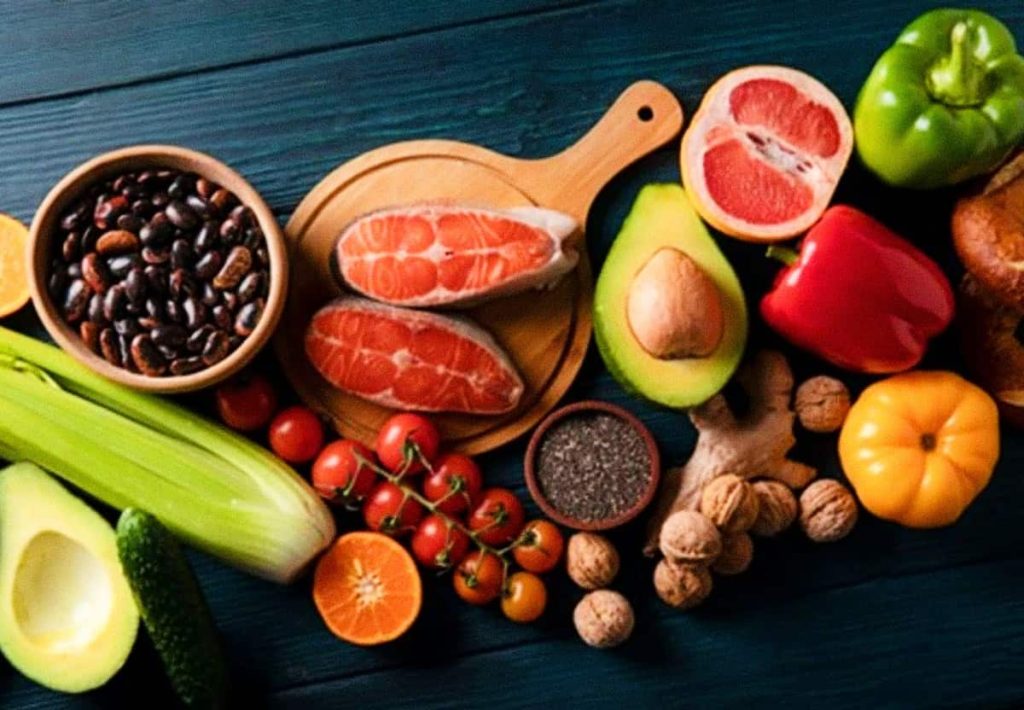
Beyond the Basics: Incorporating Potassium-Rich Superfoods into Your Diet
When seeking to maximize electrolyte intake, the most potent sources are often found in the produce aisle’s “forgotten” sections. Potassium is a critical electrolyte, essential for maintaining healthy blood pressure, nerve signaling, and muscle contractions.
Leafy Green Density
Beet greens are an absolute leader in density, providing a staggering $1,309\text{ mg}$ per cooked cup—more than triple the amount found in a banana. Similarly, Swiss Chard (Acelga) offers $961\text{ mg}$ per cooked cup.
The Role of Root Vegetables
For those who prefer root vegetables, the standard baked potato (with skin) serves as a functional masterclass in nutrition, delivering roughly $926\text{ mg}$ of potassium. The skin is a mechanical necessity here; much of the mineral content and fiber is concentrated in the outer layer, making the “peeled” version significantly less effective for those tracking their micronutrients. Incorporating unpeeled root vegetables remains one of the most accessible ways to rely on potassium-rich superfoods for daily electrolyte maintenance.
Plant-Based Density: Legumes and Seeds
For individuals following a low-carb or plant-based protocol, legumes and seeds offer a dual benefit of high protein and high potassium.
Legume Efficiency
White beans and soybeans are particularly effective, with white beans providing approximately $600\text{ mg}$ per half-cup.
Nutrient Accumulation in Seeds
In the realm of snacks, almonds and sunflower seeds are surprisingly dense. Almonds contain roughly $834\text{ mg}$ of potassium per $100\text{ g}$, making them an excellent choice for steady-state energy. Integrating these into a daily routine mirrors the logic found in The Muscle Saturation Blueprint: Why Consistency Trumps Everything in Creatine Supplementation, where the goal is the consistent accumulation of nutrients to maintain cellular homeostasis rather than relying on a single, high-dose “spike.”
The Expert Nuance: The Sodium-Potassium Pump
Specialists emphasize that potassium does not work in isolation. Its primary role is to balance sodium. If an individual’s sodium intake is excessively high, the benefits of potassium can be largely neutralized. When planning your nutrition, remember that potassium-rich superfoods are most effective when paired with a moderate intake of sodium rather than a processed-food-heavy diet.
Bioavailability and Clinical Considerations
While food-based potassium is safe for most, those with chronic kidney disease (CKD) or taking ACE inhibitors must be cautious. According to registered dietitians, the best approach is to focus on whole-food sources rather than supplements to allow the body to regulate levels effectively. According to registered dietitians and clinical health experts, the best approach is to focus on whole-food sources rather than supplements, as the fiber and co-factors in food slow down absorption and allow the body to regulate levels more effectively.
FAQ: Optimizing Your Potassium Intake
Why is potassium called an electrolyte?
Potassium carries a small electrical charge, allowing it to conduct electricity within the body to trigger nerve impulses and muscle contractions, including the heartbeat.
Can I get too much potassium from food?
For healthy individuals, the kidneys efficiently filter excess potassium from food. Toxicity risks generally arise only from concentrated supplements or impaired kidney function.
Does cooking reduce potassium content?
Potassium is water-soluble. Steaming, roasting, or using cooking liquid in soups is the best way to retain the full mineral profile.
Is it better to eat raw or cooked spinach?
Cooked spinach is more potassium-dense by volume because wilting allows you to consume a much larger quantity of the plant in a single serving.
Disclaimer: The information provided on this site is for educational purposes only and does not constitute medical advice, diagnosis, or treatment. Always consult with a qualified healthcare professional before making significant changes to your diet, especially if you have underlying health conditions or are taking medication.
