Brown vs white eggs are often at the center of a common grocery store debate, but is there a real nutritional difference between them? When walking down the dairy aisle, the decision seems simple, but the prices suggest otherwise. On one side, the classic white eggs; on the other, the brown eggs that boast a more ‘rustic’ look and a frequently higher price tag. But are you paying for more nutrients, or just a colorful shell? In this definitive guide, we dive into the science of poultry and biochemistry to understand what really changes when you crack the shell.
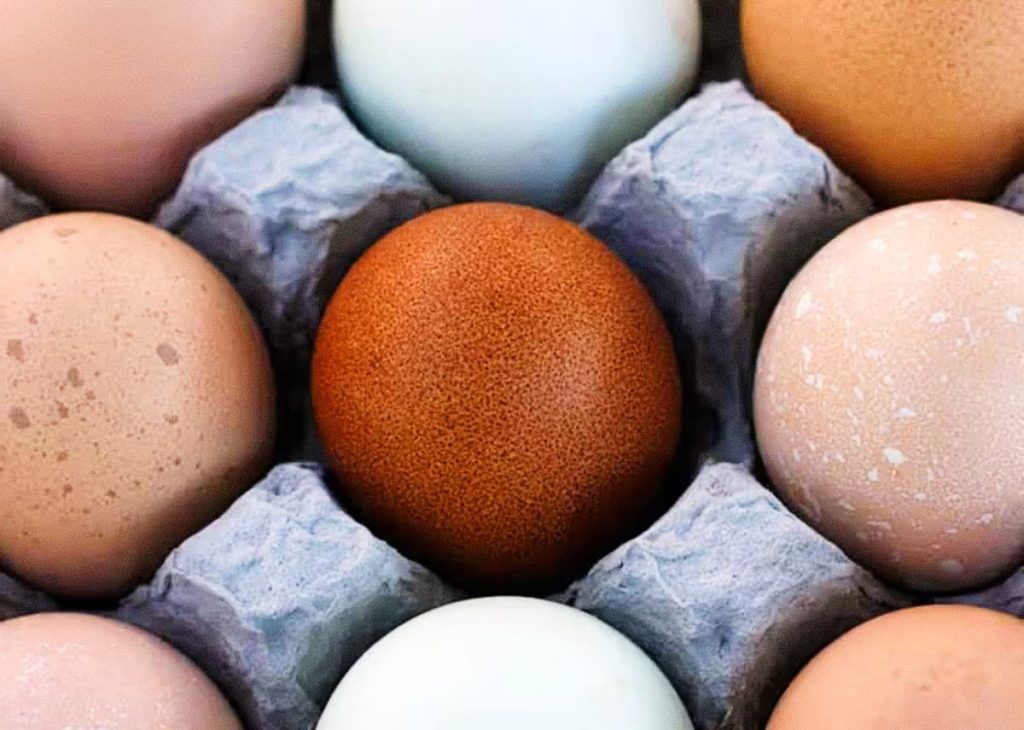
The Genetics Behind the Colors: Why the Difference?
The short and scientific answer is: genetics. The color of an eggshell is determined entirely by the breed of the hen.
- White Eggs: Generally laid by hens with white feathers and white earlobes (such as the White Leghorn breed).
- Brown Eggs: Laid by larger breeds with red feathers and red earlobes (such as Rhode Island Reds or Plymouth Rocks).
- Blue Eggs: Exotic breeds like the Araucana produce pigments that tint the shell blue or green.
The Journey in the Oviduct
All eggs start out white, as they are made primarily of calcium carbonate. The color is applied as a final “paint job” while the egg travels through the hen’s oviduct.
- In brown eggs: The pigment (protoporphyrin IX) is applied in the last few hours of shell formation. This is why the inside of a brown eggshell is always white.
- In blue eggs: The pigment (biliverdin) is applied early in the process and penetrates the entire shell structure—making them blue inside and out.
Although the pigmentation process may fascinate many, understanding the science of brown vs white eggs reveals that the shell is merely genetic packaging, with no real impact on the amino acid profile of the egg white or the lipids in the yolk.
Nutrition and Taste: Brown vs White Eggs Verdict
This is where science deconstructs the marketing. There is no significant nutritional difference between brown vs white eggs based solely on shell color. Both offer about 6.4g of high-quality protein and less than 80 calories. Nutritional quality and taste are influenced by what the hen eats, not by her breed.
The Role of Diet in Egg Quality
While eggs are a protein staple, they aren’t the only way to hit your macros; exploring foods with more protein than an egg can help you maintain all-day satiety while varying your diet. If you notice a deeper orange yolk or a more intense flavor, it is due to carotenoids in the bird’s diet (such as corn, grass, or marigold supplements). A white-egg hen raised on pasture will produce a more nutritious egg than a brown-egg hen raised in industrial confinement.
Why Do Brown Eggs Cost More?
Many consumers wonder if the price difference between brown vs white eggs reflects superior quality. However, the reality behind the cost is purely logistical and biological:
- Bird Size: Hens that lay brown eggs tend to be larger and require more feed to produce each egg.
- Production Cost: Higher feed consumption increases the cost for the producer, which is passed on to the consumer.
- Marketing: A “health halo” created by marketing campaigns in the ’70s and ’80s associated the color brown with the concept of “natural” and “local.”
What Actually Matters When Buying?
Instead of focusing on color, health experts suggest looking for labels that indicate the bird’s lifestyle and safety standards:
- Pasture-Raised: These birds have access to sun and grass, which can significantly increase Vitamin D and Omega-3 levels.
- British Lion Mark: In the UK, this seal guarantees the highest safety standards against salmonella.
- Organic: Ensures the feed contains no pesticides or GMOs.
Weight Management Considerations
Many people worry about the ideal number of eggs in their diet for weight management. To understand the science behind daily consumption, see our guide: How Many Eggs Can We Eat Per Day and When Do They Help With Weight Loss?
Chef’s Tips: The Right Egg for Every Recipe
Regardless of the brown vs white eggs debate, freshness remains the primary factor for culinary success, far outweighing any bias regarding shell color. The age of the egg matters much more than shell color for the final result in your kitchen:
| Goal | Recommended Egg Type | Why? |
| Poached Eggs | As fresh as possible | The white (albumen) is firmer and doesn’t spread. |
| Hard-Boiled | Eggs 1–2 weeks old | pH changes make the membrane pull away from the shell. |
| Mayonnaise | Fresh | Creates more stable and firm emulsions. |
Frequently Asked Questions (FAQ)
- Q: Are brown eggs more natural than white eggs? A: No. Both are entirely natural. The perception is largely a result of marketing.
- Q: Why are some yolks orange and others pale yellow? A: Yolk color is determined by the hen’s diet (carotenoids).
- Q: Is it safe to eat eggs with blue or green shells? A: Yes. They taste the same and have the same nutritional profile.
- Q: Does shell thickness depend on color? A: No. Thickness depends on the age of the hen and calcium intake.
Conclusion
Shell color is just “genetic packaging.” Whether white, brown, or blue, the egg remains one of the most nutrient-dense foods you can consume. Ultimately, the comparison between brown vs white eggs serves as a reminder that marketing can influence our consumption choices more than science itself. Next time you’re at the market, save money by choosing based on the quality of care (eggs from happy, well-fed hens) rather than the color that best matches your kitchen aesthetic.
Source & Clinical Reference: Information synthesized from Brown vs. White Eggs — Healthline, British Lion Egg Standards, and USDA Egg Safety and Quality Research Unit.
Disclaimer: This content is for educational purposes only and does not constitute medical advice. Always consult a physician regarding dietary changes.
