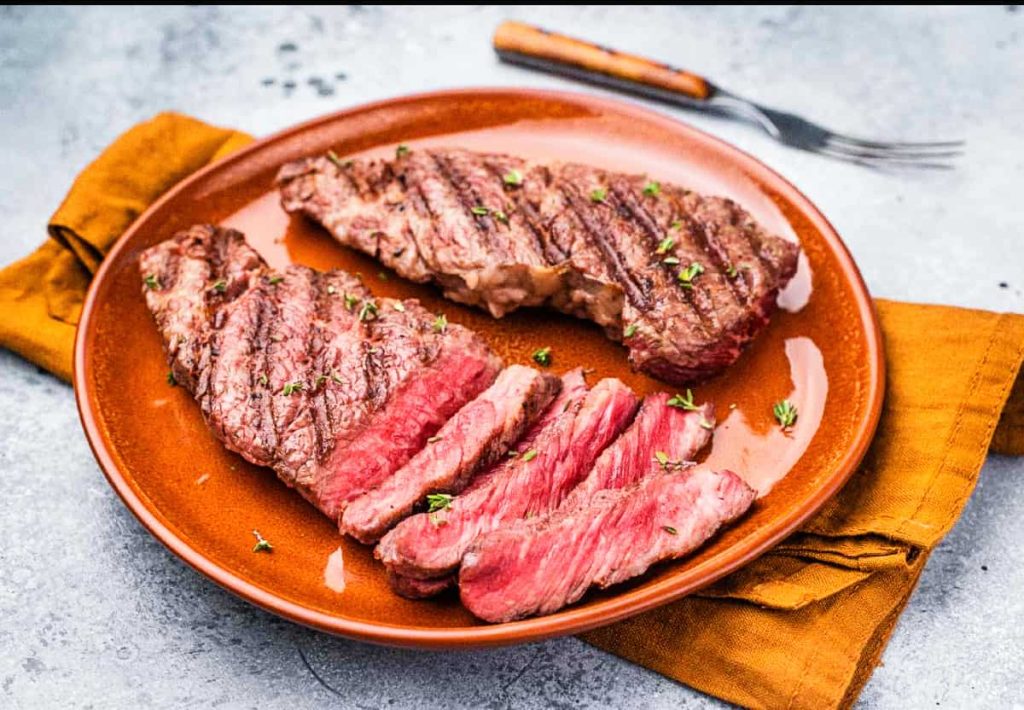
When searching for foods high in iron, the first instinct for many is to eat a steak. While red meat is a solid source, providing about 2.25 to 2.6 mg of iron per 3-ounce serving, it is far from being the only option. In fact, several common foods offer significantly more iron per serving, helping you reach your daily targets more efficiently than a ribeye.
In fact, several common foods—from the depths of the ocean to the depths of your pantry—offer significantly more iron per serving. Whether you are an athlete looking to improve oxygen transport or simply trying to combat fatigue, these eight powerhouses will help you hit your daily targets (8mg for men, 18mg for women) more efficiently than a ribeye.
Relying solely on beef for your mineral needs can severely limit your nutritional diversity and overlook powerhouse alternatives that offer far superior micronutrient densities. Incorporating a wide array of these foods high in iron ensures you meet your daily physiological requirements while enjoying a more varied, sustainable diet that supports optimal cellular oxygenation and athletic vitality. (To explore how other key macronutrients complement your overall nutritional targets, check out our guide on [How Much Protein Per Day? 5 Proven Science-Backed Steps for Optimal Health]).
The Nutritional Powerhouses: Organ Meats and Shellfish
When building a balanced meal plan, prioritizing foods high in iron from animal sources is the fastest way to boost your levels. If you aren’t afraid of adventurous eating, these options act as ‘cheat codes’ for rapid intake.
Top Animal-Based Iron Sources
- Chicken Liver: This is the undisputed champion. Just 3 ounces of chicken liver packs a massive 9.86 mg of iron—nearly 54% of your daily value and more than four times the amount in a steak.
- Oysters and Mussels: These “super-seafoods” are mineral goldmines. Oysters provide roughly 8 mg per serving, while a cup of mussels offers 5.9 mg. They are also high in Vitamin B12 and Zinc, which are essential for metabolic health.
- Sardines: Canned sardines with bones intact are an exceptional marine source of heme minerals, packing roughly 2.5 mg of iron per serving alongside massive doses of omega-3 fatty acids and calcium, making them an effortless addition to any routine focused on foods high in iron.
- Lean Grass-Fed Beef Kidney: While less common in modern kitchens, beef kidney provides an astonishing concentration of bioavailable minerals and B-complex vitamins, acting as a powerhouse protein choice for anyone looking to optimize their daily intake of foods high in iron.
Animal-based heme iron boasts a superior bioavailability profile, meaning your body absorbs and utilizes the mineral with exceptional efficiency compared to plant sources. Utilizing these concentrated animal foods high in iron allows you to rapidly reverse depletion states and maintain peak hemoglobin levels without requiring massive portion sizes.
The Best Plant-Based Foods High in Iron
Many people overlook plant-based options, but they are consistently some of the most accessible foods high in iron. Don’t let the lower absorption rate of Non-Heme Iron (2%–10%) fool you. Because these foods high in iron are so nutrient-dense, they still rival meat in total iron delivery, providing a powerful way to diversify your mineral intake.
Legumes and Greens
- Spinach (Cooked): One cup of boiled spinach contains 6.4 mg of iron. The key is to eat it cooked; the heat breaks down oxalates that otherwise block iron absorption.
- Lentils and Beans: A cup of cooked lentils provides 6 mg, more than double a serving of beef. White beans are even more impressive, reaching up to 8 mg per cup.
- Tofu: A staple for strength-training vegetarians, one cup of firm tofu delivers 6 mg of iron along with a complete amino acid profile.
- Quinoa: This nutrient-dense pseudo-cereal delivers nearly 3 mg of iron per cooked cup, providing a complete amino acid profile alongside a steady, low-glycemic carbohydrate source that seamlessly complements your daily intake of foods high in iron.
- Beet Greens: Often discarded in favor of the root, cooked beet greens offer an impressive 2.7 mg of iron per cup, making them a fantastic, highly efficient leafy vegetable to incorporate into your recovery meals.
Plant-based foods high in iron provide an incredible array of secondary phytonutrients, antioxidants, and dietary fiber that support long-term gastrointestinal health and metabolic longevity. While non-heme iron requires strategic pairing to optimize uptake, incorporating these wholesome ingredients forms the backbone of a balanced, health-conscious dietary protocol.
The Surprising Sources: Dark Chocolate and Molasses
Who says “dieting” for iron has to be boring?
Sweet Ways to Boost Intake
- Dark Chocolate (45%–69% cacao): It is rare to find such indulgent treats categorized as foods high in iron, but both options provide significant value alongside your daily meals.
- Blackstrap Molasses: A favorite of old-school strength coaches, two tablespoons of this thick syrup pack 2 to 3.6 mg of iron and a huge dose of potassium.
- Pumpkin Seeds (Pepitas): A small handful of roasted pumpkin seeds serves up roughly 2.5 mg of iron, making them an effortless, crunchy, and savory snack that easily doubles as a nutrient-dense topping for salads and yogurts.
- Dried Apricots and Figs: Naturally sweet and portable, a serving of dried fruits—particularly figs and apricots—delivers a concentrated dose of non-heme minerals, satisfying your sweet tooth while boosting your daily intake of foods high in iron.
Finding unexpected joy within a structured nutritional plan makes long-term consistency much easier to maintain without feeling deprived or overly restricted. Leveraging these decadent yet surprisingly mineral-rich foods high in iron proves that supporting your health does not require abandoning flavor or culinary enjoyment.
The “Absorption Hack”: The Vitamin C Secret
Maximizing your uptake is the smartest strategy when you are prioritizing foods high in iron that happen to be plant-based. Since this form of iron is harder for your body to process, you need a ‘key’ to unlock it.
How to Maximize Iron Uptake
Pairing your iron-rich plants with acidic foods can increase absorption by up to 300%. The presence of organic acids and Vitamin C acts as a powerful reducing agent in the digestive tract, converting insoluble ferric iron into more soluble ferrous iron which is readily absorbed across the intestinal enterocytes. Implementing this simple biochemical strategy when consuming foods high in iron ensures that plant-based meals deliver maximum nutritional impact.
Practical Tips
The Hack: Add a squeeze of lemon to your spinach, or eat your bean burrito with a side of bell peppers or a glass of orange juice. Understanding the biochemical synergy between specific micronutrients transforms how your digestive system processes and retains vital minerals from everyday meals. Utilizing simple culinary adjustments when preparing these foods high in iron—such as introducing ascorbic acid alongside plant-based meals—drastically elevates your nutritional ROI without requiring expensive supplements.
Comparison: Iron Density at a Glance
| Food Item | Iron (mg) per serving | Type of Iron |
| Chicken Liver (3 oz) | 9.86 mg | Heme (High Absorption) |
| Oysters (3 oz) | 8.00 mg | Heme (High Absorption) |
| Spinach (1 cup, cooked) | 6.40 mg | Non-Heme |
| Lentils (1 cup, cooked) | 6.00 mg | Non-Heme |
| Dark Chocolate (2 oz) | 4.00 mg | Non-Heme |
| Standard Beef Steak (3 oz) | 2.25 mg | Heme |
Source: Detailed iron metrics provided by Health / Kelly Burch.
Having a clear, comparative breakdown of mineral content allows you to design cost-effective, highly efficient meal plans tailored to your specific physical demands. Referencing this concise data ensures you always choose the most potent foods high in iron to combat fatigue and support peak athletic conditioning.
The Role of Iron in Athletic Endurance and Recovery
Maintaining optimal mineral status is vital for anyone engaged in regular physical training, as active muscle tissue demands a continuous supply of oxygen to sustain performance. Incorporating reliable sources of foods high in iron ensures that your red blood cells can efficiently transport oxygen from the lungs to working muscles, directly preventing premature fatigue and enhancing stamina.
Hemoglobin Synthesis and Cellular Respiration
Without adequate mineral building blocks, the body struggles to synthesize sufficient hemoglobin, leading to a cascade of physiological bottlenecks that impair overall athletic capacity.
Preventing Exercise-Induced Anemia in Endurance Athletes
Distance runners and high-intensity trainers are particularly susceptible to foot-strike hemolysis and iron loss through sweat, making the strategic consumption of foods high in iron a non-negotiable priority for sustained athletic longevity.
Cultural and Culinary Traditions of Nutrient-Dense Diets
Throughout culinary history, traditional societies instinctively utilized mineral-rich ingredients to sustain physical labor and promote generational wellness long before modern nutritional science existed.
Traditional Pairing Methods Across Global Cuisines
Ancient culinary practices often combined mineral-rich plants with naturally fermented or acidic ingredients to optimize nutrient availability without technological intervention.
Reviving Heritage Ingredients in Modern Meal Prep
Integrating traditional superfoods and historical staples back into contemporary kitchens provides a flavorful, scientifically sound method to elevate your daily intake of foods high in iron while honoring time-tested culinary wisdom.
FAQ: Iron and Your Health
Why do I feel tired even if I eat iron-rich foods?
You might be consuming “iron blockers” at the same time. Calcium (dairy) and tannins (coffee/tea) can significantly reduce iron absorption. Try to wait at least an hour after your meal before drinking coffee.
Can I get too much iron?
Yes. While rare through food alone, iron toxicity (hemochromatosis) can be dangerous. Always consult a doctor before starting high-dose iron supplements, especially since organ meats like liver are also extremely high in Vitamin A.
Can cooking in cast-iron skillets actually boost my daily intake?
Yes, using traditional cast-iron cookware when preparing acidic dishes (like tomato-based sauces or meals featuring citrus) allows a measurable amount of dietary iron to leach directly into your food. Incorporating this old-school culinary habit provides a seamless, passive way to supplement your daily intake of foods high in iron without altering your favorite recipes.
How long does it take to reverse low iron levels through diet alone?
Reversing mild iron depletion through whole-food interventions typically requires consistent dietary focus over a period of 8 to 12 weeks, as red blood cells have a lifespan of roughly 120 days. Maintaining patience and prioritizing consistent sources of foods high in iron ensures your body can steadily rebuild its ferritin stores and restore optimal cellular energy.
Can drinking green tea or coffee with my meals cause an iron deficiency?
Yes, the polyphenols and tannins found in both coffee and true teas bind strongly to non-heme iron in the digestive tract, creating an insoluble compound that your body cannot absorb. If you are actively working to boost your mineral levels, it is best to separate your morning brew from your meals by at least one to two hours to ensure your body fully absorbs the foods high in iron you consume.
Is raw spinach better than cooked?
Yes, cooking methods matter when you are preparing foods high in iron. For spinach, cooked is better, as heating breaks down the oxalic acid that would otherwise lock up the mineral. Resolving common misconceptions regarding dietary inhibitors and mineral absorption safety ensures you avoid counterproductive habits that hinder your long-term wellness progress. Equipping yourself with these clinical insights empowers you to fine-tune your daily intake of foods high in iron safely and effectively. (For further reading on balancing plant-based nutrition and gut health, see our detailed guide on [5 Incredible Plant-Based Food for Iron Absorption to Fight Fatigue]).
The Bottom Line
Red meat is a convenient source, but it is certainly not the only option available. By incorporating a wider variety of foods high in iron—such as shellfish, legumes, and dark chocolate—you can easily maintain high energy levels and healthy oxygen transport without relying exclusively on beef. If you are curious about how these foods compare in terms of building muscle, don’t miss our breakdown: Which Animal Meat Has the Most Protein? Beef, Chicken, Fish, or Pork?
Cultivating a flexible, diverse nutritional strategy ensures your body receives a comprehensive spectrum of vital micronutrients while preventing dietary monotony and nutrient burnout. Embracing a wide variety of foods high in iron sets the stage for enduring vitality, robust immune defense, and peak physical performance.
Disclaimer: This content is for educational purposes only and is not medical or nutritional advice. Individual dietary needs vary significantly. Always consult a healthcare professional or registered dietitian before making significant changes to your diet or if you have concerns about iron levels, potential deficiencies, or toxicity. The author is not responsible for any adverse health outcomes resulting from the use of this information.
