Finding high-protein fast food that fits your macros doesn’t have to be a mission-impossible task, even on your busiest days. While the biggest challenge in maintaining a high-performance diet is often a lack of time rather than a lack of willpower, the industry has evolved. Major chains now offer specific items designed for those tracking macros and seeking muscle recovery.
However, a high protein count on a menu board doesn’t always equal a healthy choice. According to nutrition experts cited by ABC News, the secret is finding the “sweet spot”: 30 to 40 grams of protein per meal while avoiding “sneaky” calories and excessive sodium.
Navigating modern drive-thrus requires a discerning, highly analytical eye to separate genuine nutritional value from clever corporate marketing hype. In today’s fast-paced environment, convenience often comes packaged with hidden caloric traps, making it critically important to understand how commercial kitchens prepare their ingredients. Selecting clean, nutrient-dense high-protein fast food options ensures that even your most chaotic, time-strapped schedule never compromises your long-term fitness trajectory or metabolic health. By establishing rigid criteria for what constitutes a quality meal on the go, you insulate yourself against poor impulsive choices and maintain absolute control over your nutritional momentum.
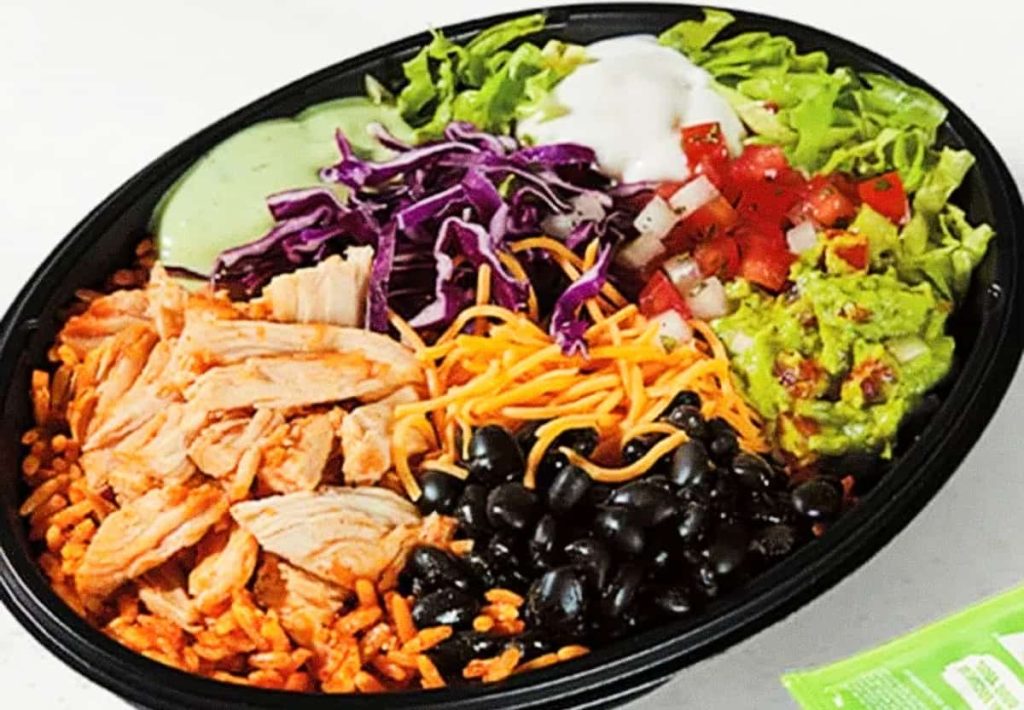
The “Protein-to-Calorie” Champions
If your goal is lean muscle or weight management, you want the highest amount of protein for the fewest calories possible. Learning to identify high-protein fast food options that prioritize lean meat sources over processed fillers is the first step toward optimizing your results in a drive-thru environment.
Top Picks for Protein Density
- Chick-fil-A (Grilled Nuggets): This is arguably the most efficient item in the industry. An 8-count of grilled nuggets delivers 25g of protein for only 130 calories. That is a staggering ratio of protein density.
- KFC (Kentucky Grilled Chicken Breast): Often overlooked, a single grilled breast packs 38g of protein and just 210 calories. It is one of the best “pure” protein bases available in any drive-thru.
- Panda Express (Grilled Teriyaki Chicken): When paired with a side of mixed greens or vegetables, this meal provides 39g of protein with massive food volume and low calorie density.
Maximizing your protein intake while simultaneously keeping total energy intake low is the foundational cornerstone of successful body recomposition and sustainable fat loss. When you consume foods with a superior protein-to-calorie ratio, you trigger optimal thermic effects of food (TEF), requiring your body to expend more energy just to process the nutrients. Prioritizing these premier high-protein fast food selections allows you to stay fully satiated, protect lean muscle mass against catabolic breakdown, and comfortably maintain your daily caloric deficit without suffering from perpetual hunger or lethargy.
Breakfast: Avoiding the Energy Crash
Strategic breakfast choices are essential, as many morning menu items are deceptively high in sugar. Knowing which high-protein fast food breakfast items actually provide satiety—rather than just a caloric spike—can drastically change your energy levels throughout the day.
Strategic Morning Choices
- The Starbucks Strategy: While protein-enhanced lattes are tempting, they can be high in sugar. A better “anchor” is the Spinach, Feta & Egg White Wrap. At 20g of protein, it provides the staying power needed to avoid a mid-morning energy slump.
- The McDonald’s Classic: The Egg McMuffin remains a dietitian favorite for a reason. With 17g of protein, it offers a balanced mix of fats, carbs, and protein in a controlled portion size.
Initiating your morning with a balanced, nutrient-dense meal stabilizes your blood glucose curves and prevents the erratic insulin spikes that invariably lead to severe mid-day energy crashes and intense sugar cravings. Many popular breakfast items rely on refined carbohydrates and cheap industrial oils that induce sluggishness just hours after consumption. Incorporating smart, protein-anchored breakfast choices into your routine establishes a resilient physiological foundation, optimizing cognitive focus and preparing your metabolism for peak physical performance throughout the day. (To ensure you are also fueling your body effectively outside of quick-service dining, explore our guide on [How Much Protein Per Day? 5 Proven Science-Backed Steps for Optimal Health]).
Smart Ordering Hacks
Many people find the menu intimidating, but once you apply these specific ordering hacks, finding high-protein fast food becomes simple and intuitive. You do not need to settle for low-quality meals; you just need to know how to customize your order.
Techniques to Reduce Calories
Navigating the menu requires strategy, but once you master these hacks, you will find that high-protein fast food can actually fit into a clean eating routine. By treating these meals as tools rather than “cheat meals,” you maintain your metabolic momentum while enjoying the convenience of quick dining.
- The “No-Bread” Bowl: Most sandwich chains now allow you to turn any sub into a bowl. A turkey or rotisserie chicken bowl with double meat can hit 30g+ of protein while slashing 150–200 calories from the bread.
- Taco Bell “Fresco Style”: Use the “Fresco” hack to replace heavy cheeses and sour cream with fresh pico de gallo. This cuts fat and calories significantly while keeping the protein from the chicken or steak.
- Grilled over Fried: Always opt for the “Tendergrill” or grilled chicken sandwich over the “Crispy” or “Original” versions. This simple swap usually saves you 200 calories and 15g of fat without sacrificing protein.
- The Side Swap Strategy: Ditch high-calorie french fries or onion rings for a side salad, fruit cup, or steamed vegetables. This simple substitution can instantly eliminate 200–400 empty calories while adding valuable dietary fiber to your meal.
- The Dressing on the Side Protocol: Request dressings, creamy sauces, and aiolis on the side rather than pre-applied. This allows you to control the exact amount you consume, preventing hidden fats from turning your high-protein fast food option into an accidental caloric trap.
- Liquid Calorie Elimination: Swap out regular sugary sodas, sweetened lemonades, or heavy milkshakes for water, black coffee, unsweetened iced tea, or zero-sugar carbonated alternatives to prevent unneeded glycemic spikes and excess energy intake.
Customizing standard commercial menu items puts you firmly in complete control of your precise macronutrient split and overall daily caloric intake, effectively neutralizing the hidden hazards of restaurant cooking. Mastering these simple modification techniques transforms any ordinary, calorie-dense drive-thru into a reliable, highly customizable source of clean high-protein fast food. By learning how to strip away redundant refined carbohydrates, heavy saturated fats, and unnecessary dairy additives, you retain the sheer convenience of modern dining while safeguarding your physical conditioning and long-term health metrics.
Watch Out for “Hidden Culprits”
Even when you identify a high-protein fast food meal that looks perfect on paper, you must remain vigilant about the side items. Some high-protein bowls pack over 1,100mg of sodium—nearly 50% of the daily recommended limit. Pro Tip: Always ask for dressings and sauces on the side. A single packet of ranch or honey mustard can add 150 calories of sugar and fat to an otherwise perfect meal.
Overlooking liquid calories, sugary glazes, and heavy commercial condiments can silently and swiftly sabotage an otherwise meticulously planned nutritional layout, turning a clean meal into an unexpected caloric surplus. Furthermore, excessive sodium loads found in commercial marinades and dressings can induce acute water retention and temporarily mask your true body composition progress. Staying alert to these hidden additives safeguards your hard-earned physical progress when consuming high-protein fast food on a regular, recurring basis.
Quick Comparison: Protein Power Plays
| Chain | Star Item | Protein | Calories | Dietitian Tip |
| Chick-fil-A | Grilled Nuggets (8pc) | 25g | 130 | Pair with fruit cup or kale salad. |
| KFC | Grilled Chicken Breast | 38g | 210 | The highest protein-to-calorie ratio. |
| Chipotle | Chicken Salad Bowl | 32g | 450 | Skip rice; double fajita veggies. |
| Subway | Oven-Roasted Turkey Bowl | 25g | 160 | Mustard/vinegar instead of mayo. |
| Wendy’s | Apple Pecan Salad | 30g | 450 | Great for fiber and protein goals. |
Having a concise, objective reference chart readily available drastically streamlines your decision-making process during chaotic travel, intense work schedules, or unexpected social outings where meal prep is impossible. Utilizing this structured breakdown ensures you never have to guess or compromise when confronted with limited culinary choices. Having immediate clarity on macronutrient density allows you to execute precise nutritional strategies anywhere in the country, ensuring your high-protein fast food choices remain consistently aligned with your peak performance goals.
The Psychological Impact of Convenience Dining on Compliance
Maintaining long-term adherence to a nutritional regimen is often challenged by psychological fatigue rather than physical hunger, especially when lifestyle demands force reliance on commercial eateries. Incorporating smart selections of high-protein fast food helps eliminate the mental friction of meal prep, allowing you to stay on track without feeling socially isolated or restricted.
Decision Fatigue and Macro Tracking in Real-Time
When faced with sudden schedule changes, making rapid dietary choices can deplete cognitive resources and trigger impulsive eating habits.
Streamlining Choices Through Pre-Planned Drive-Thru Protocols
Establishing a mental framework before arriving at the restaurant window removes guesswork and guarantees that your high-protein fast food order aligns perfectly with your daily macronutrient targets.
Metabolic Adaptations to Processed vs. Whole Protein Sources
While hitting your daily protein gram target is essential for tissue repair, the biological processing overhead of different food matrices can subtly influence overall energy balance.
The Thermic Effect of Processed vs. Unprocessed Meats
Understanding how the body expends energy to digest varying types of cooked proteins helps you maximize metabolic output throughout the day.
Mitigating Inflammation from Commercial Cooking Oils
Balancing your intake of high-protein fast food with adequate omega-3 fatty acids elsewhere in your diet helps counter potential inflammatory responses caused by the seed oils frequently used in commercial kitchens.
FAQ: High-Protein Fast Food
What is the best high-protein option for vegetarians?
A burrito bowl with beans and tofu (like Sofritas) or a double serving of black beans can provide over 20g of protein with plenty of fiber. These plant-based choices are increasingly becoming a staple of high-protein fast food for those avoiding meat.
Does removing the bun really help?
Yes. Removing a standard bun typically cuts 150 to 250 calories and 30g to 50g of refined carbs, preventing the insulin spike that causes afternoon fatigue. It is one of the simplest ways to transform a standard order into a high-protein fast food meal that supports fat loss.
Can I find high-protein options if I am gluten-intolerant?
Yes, many major chains offer customizable bowls, salads, and lettuce wraps that naturally avoid wheat-based ingredients. Ensuring that your high-protein fast food order is explicitly requested without cross-contamination allows individuals with celiac disease or gluten sensitivities to dine safely on the go.
Are grilled fast-food items always healthier than fried alternatives?
While grilled options drastically cut down on excess fats and unnecessary calories, it is vital to check for sugary glazes or heavy marinades that can secretly inflate carbohydrate counts. Selecting high-protein fast food with clean, dry-rubbed or lightly seasoned grilling techniques ensures you get pure muscle-building nutrients without unwanted additives.
How can I lower the sodium in my order?
Skip the pickles, cheese, and pre-applied sauces. These are the primary sources of hidden sodium in fast food. Addressing common dietary restrictions, physiological responses, and culinary customization questions ensures that every individual can successfully navigate commercial restaurant menus regardless of personal ethical preferences or metabolic sensitivities. Incorporating these expert answers optimizes your overall conceptual framework regarding high-protein fast food, proving that convenience and physiological health are never mutually exclusive when guided by solid nutritional science. (For insights into how different clean supplement alternatives compare to whole food sources, check out our breakdown on [Best protein Powders 2026: 5 Clean choices for purity and performance]).
Final Verdict
Final Verdict: Eating on the go doesn’t have to sabotage your progress. By prioritizing grilled proteins, skipping the bun when possible, and staying mindful of sauces, you can maintain your physique even in a drive-thru. If you want to know which protein source is actually superior before you order, check out our guide: Which Animal Meat Has the Most Protein? Beef, Chicken, Fish, or Pork?
Maintaining long-term physical conditioning requires flexible, sustainable habits that seamlessly integrate modern lifestyle convenience with rigorous nutritional integrity. Rigid dietary rules inevitably lead to burnout, whereas mastering the art of intelligent menu selection fosters a healthy, lifelong relationship with food. Embracing these expert principles empowers you to enjoy high-protein fast food responsibly and strategically, ensuring that a busy lifestyle acts as a catalyst for success rather than an excuse for regression.
Disclaimer: The information provided in this article is for educational purposes only and does not constitute medical or nutritional advice. While the nutritional data presented is based on general industry information, individual caloric and nutrient needs vary significantly based on activity level, health status, and metabolic goals. Always consult with a registered dietitian or a qualified healthcare professional before making significant changes to your diet or if you have specific medical conditions.
