If you are wondering how to stop oil splatter, the secret lies in the physics of moisture and fat. We have all been there: you drop a piece of protein into a pan and are immediately met with a violent barrage of hot grease. It’s messy, it’s painful, and it often feels like an inevitable tax on a good meal. However, oil splattering isn’t a random occurrence—it is a specific physical reaction between moisture and fat. By understanding the “why,” you can use a few simple pantry staples to turn your kitchen into a splash-free zone.
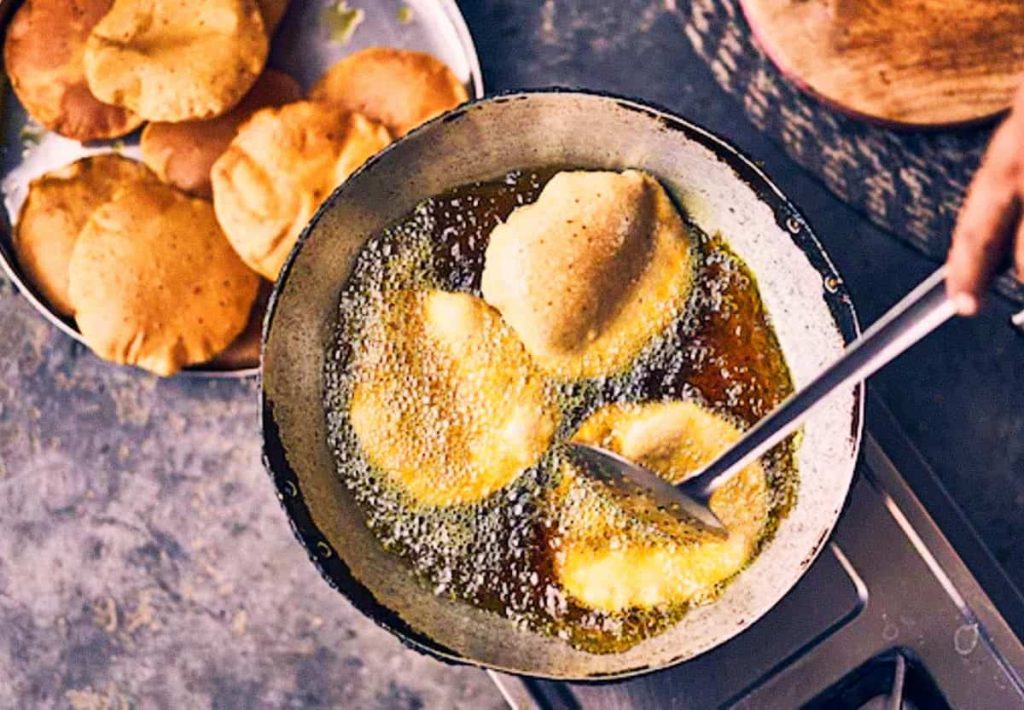
The “Explosive” Physics: Why Oil Pops
The villain in every splatter story is water. When moisture—whether from washed vegetables or the internal juices of a steak—hits hot oil, it instantly vaporizes into steam. Because steam expands rapidly and oil is hydrophobic, the rising water vapor “explodes” through the surface, carrying droplets of hot fat with it. To stop the mess, you must control the steam.
1. The “Anchor” Hacks: Salt, Flour, and Cinnamon
Applying these molecular anchors is the most effective way how to stop oil splatter when you are sautéing proteins, as they stabilize the oil’s surface tension immediately.
The Salt Trick
Popularized by culinary experts and viral home hacks, adding a pinch of salt to the pan before the food absorbs surface moisture and stabilizes the oil’s tension. This simple technique for preventing oil splatter has proven to be a game-changer for reducing stovetop cleanup. Applying these molecular anchors is the most effective way how to stop oil splatter when you are sautéing proteins, as they stabilize the oil’s surface tension immediately.
The Flour/Cornstarch Shield
The Flour/Cornstarch Shield: A light dusting of flour or cornstarch on your food creates a dry barrier. Professional kitchens often use this to lock in juices while neutralizing the steam reaction at the point of contact.
The Cinnamon Secret
Specifically for fish, a pinch of cinnamon acts as a moisture sponge. It soaks up excess oil and acts as a barrier for that moisture-induced popping, without drastically altering the flavor profile.
2. Thermal and Batch Management
Temperature stability is the Beyond managing grease, professional control is key to any side dish—just as understanding starch gelatinization is essential for mastering other staples, such as in our guide on It’s not the onion, nor the oil: The chef’s secret to professional rice. line of defense.
The Shimmer Rule
Oil should shimmer, not smoke. If it’s smoking, any drop of water will turn into explosive steam.
Batching Physics
Overcrowding a pan traps steam between the pieces of food. This steam builds pressure until it “pops” out violently. Mastering thermal stability is fundamental when you are learning how to stop oil splatter, as the intensity of the popping is directly tied to the oil’s temperature and consistency.
Optimal Venting
Leave enough space for steam to vent vertically without taking oil with it.
The “Off-Heat” Entry
If you are frying delicate or high-moisture items, turn the heat OFF for 30 seconds while you place the food. Once the initial “sizzle” settles, turn the burner back on.
3. Professional Safety Protocols
Home cooks often drop food from a height to stay away from the pan, but this is a mistake.
The “Away” Drop
Using tongs or a “spider” (mesh skimmer), place the food gently into the oil, aiming the drop away from your body.
The Dry Primer
This is a non-negotiable step. Use paper towels to pat your ingredients completely dry. Removing surface water is essential not just for safety, but for achieving the perfect sear, as we explain in our guide on Why You Should Never Wash Raw Chicken. When you keep your kitchen tools and ingredients completely dry, you are utilizing the most reliable professional method how to stop oil splatter before it even begins.
4. Splatter-Free FAQ
While many home cooks use lids, the true scientific method how to stop oil splatter is to use a fine-mesh screen that allows steam to escape while trapping the grease droplets.
Common Questions
- Should I use a lid to stop the mess? Using a solid lid is actually counterproductive. A lid traps steam, which eventually condenses back into water droplets and falls into the hot oil, causing even more splattering. While many home cooks use lids, the true scientific method how to stop oil splatter is to use a fine-mesh screen that allows steam to escape while trapping the grease droplets.
- Does the salt trick work for deep frying? No. The salt trick is most effective for shallow frying and sautéing. For deep frying, your best defense is a high-sided pot and ensuring the food is perfectly dry and at room temperature before it hits the oil.
Choosing the Right Fats
- Which oil splatters the least? Oils with high “smoke points” like Rice Bran, Sunflower, or Avocado oil are structurally more stable. Unstable fats (like butter or unrefined oils) break down faster, making them prone to more erratic “sneezing.”
Safety Disclaimer: This content is for educational purposes only. Frying with hot oil involves risks of burns and fire hazards. Always use proper protective gear, keep the area clear, and never leave hot oil unattended. You assume full responsibility for your actions in the kitchen; this information does not replace professional safety training.
